Keeping your home cool in summer and warm in winter feels great, but many people forget that their HVAC system needs simple care. When an HVAC system gets steady care, it lasts longer, uses less power, and keeps the air fresh. Many folks think HVAC care is hard, but it is actually very easy when explained in plain words. In this guide, you will learn simple steps, clear tips, and helpful notes, even if you know nothing about HVAC systems. The goal is to help you understand how to keep your system safe, clean, and running the right way without stress.
1. Why HVAC Maintenance Matters So Much
Many homes rely on an HVAC system every day. It warms the home when the air gets cold and cools the home when the sun gets hot. When the system works well, you enjoy steady air and lower bills. When it does not get care, small problems turn into big problems, and repair costs can rise fast.
Here is why simple care helps so much:
-
It stops sudden breaks that bring stress and money loss
-
It keeps the air clean, which helps people breathe better
Advertisement
A well-kept HVAC system can run for many years. It also keeps dust, dirt, and tiny bits from spreading in your home. Clean filters and clean coils make your home feel fresh. When the system does not have to work too hard, it uses less power, which helps your bills stay low.
2. How to Keep Your HVAC Filters Clean and Working Well
Filters are small parts, but they do a big job. They catch dust, pet hair, dirt, and tiny bits floating in your home. When filters get full, your HVAC system must work harder. This can lead to warm air when you want cool air or cool air when you want warm air.
Changing filters is one of the easiest tasks. Most filters need to be changed every 30 to 60 days. If you have pets or allergies, you may need to change them more often. Always pick a filter that fits your HVAC system the right way. The fresh filter should slide in smoothly.
When you keep your filters clean:
-
Your air stays fresh
-
Your system can move air smoothly
Even kids can understand this idea: a blocked filter is like trying to breathe through a thick cloth. It feels hard, right? Your HVAC system feels the same way. A clean filter gives it smooth airflow.
3. Why Cleaning Coils Helps Your System Stay Strong
Your HVAC system has two main coils: an inside coil and an outside coil. These coils move heat in and out of your home. When the coils get covered with dirt, the system needs more power to do the same job.
Cleaning coils takes simple steps. A soft brush or a gentle rinse removes dirt and makes the system run easier. You should keep grass, leaves, sticks, and dust away from the outside part of the HVAC unit.
When coils stay clean, the system cools and warms your home faster. This also keeps the motor from working too hard. A motor that works too hard can break early, which leads to repair costs.
Many people do not notice coil dirt until the system slows down. So checking the coils a few times a year helps you stay ahead of the problem.
4. The Importance of Checking Your Thermostat
A thermostat helps your HVAC system know the right temperature. If the thermostat acts strange or gives wrong numbers, your home may feel too warm or too cold.
A few things help keep your thermostat working well:
-
Check the batteries every few months
-
Make sure sunlight does not hit it directly
When the thermostat sends the right signals, the HVAC system runs only when needed. This helps lower bills and keeps your home steady. Many newer thermostats also give simple on-screen tips. But even older thermostats work fine when they are clean and checked often.
If the air in your home does not match the number on the screen, the thermostat may need a quick reset. In some cases, dust inside the thermostat makes it slow. A gentle wipe can fix this.
5. Why Yearly HVAC Checkups Make a Big Difference
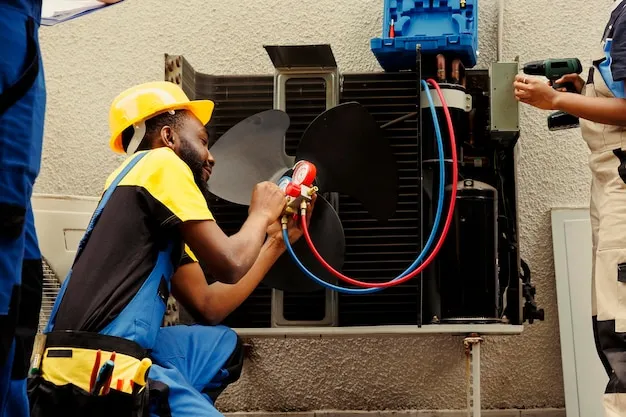
Many folks wait until something breaks before calling a technician. But a yearly checkup keeps the system strong. The technician looks for leaks, tests the fan, checks wires, and listens for odd sounds.
This yearly checkup catches small issues before they grow bigger. A small leak, if ignored, can lead to a full system stop. A loose wire can make the system turn on and off too fast, which wears down the parts.
A yearly visit is like a health check for your HVAC system. It brings peace of mind and makes sure the system stays smooth, safe, and ready for all seasons.
When you plan ahead, you avoid last-minute stress. It also helps keep your home comfortable when seasons change suddenly.
6. Easy Signs Your HVAC System Needs Attention
Your HVAC system gives small hints when it needs help. You should pay attention to these signs:
-
Odd sounds like banging or rattling
-
Weak air coming from vents
-
Strange smells
-
Longer time to cool or warm the home
-
Higher bills even when settings stay the same
These signs show that the system is trying hard to do a simple job. Even if the air still flows, something inside may be slowing down. When you act fast, you protect the system from bigger issues.
If you ever see water near the unit, that means something needs care. Tiny things like a clogged drain line can cause leaks. Fixing these early keeps your home safe.
FAQs
1. How often should I change my HVAC filter?
Most people change it every 30 to 60 days. If you have pets or allergies, you may need to change it sooner. A clean filter keeps air fresh and helps the system run easily.
2. Why is my AC blowing warm air?
This may happen when the filter is dirty, the coils are blocked, or the system is low on refrigerant. Simple cleaning may fix it, but sometimes you need a technician for deeper checks.
3. Can I do HVAC maintenance myself?
You can do small tasks like changing filters, cleaning vents, and removing dirt around the outdoor unit. But bigger checks like coil cleaning or wiring checks should be done by a trained technician.
Final Words
Caring for your HVAC system does not need fancy skills or special tools. With simple habits like changing filters, cleaning coils, checking the thermostat, and planning yearly visits, your system will run longer and better. You save money on bills, enjoy steady air, and protect your home from sudden breakdowns. These small steps help keep your home safe, clean, and comfortable all year.