What's Causing the Plastic Production Increase?
- Online shopping means more packaging.
- People in growing countries can buy more stuff now than ever.
- Big companies want cheaper, lighter materialsplastic fits the bill.
- The world demanded PPE gear during health crises, which used tons of plastic.
Does More Plastic Mean More Waste?
- Recycling exists, but only a small percent of plastic makes it through.
- Landfills are getting full.
- Some countries ship their plastic waste to others, which isn't a real solution.
Plastic Industry Trends: Who Actually Benefits?
- Companies making packaging and containers
- Medical gear manufacturers (think masks, tubes, bottles)
- Tech industries (phones, computers use a lot of plastic parts)
- Startups that figure out how to make plastic cleaner or easier to recycle
If you're in business, there's opportunity. Prices move fast, and new ideas are needed desperately. If you're a shopper? Your choices actually matter more than you think.
Why Is Plastic Consumption Still Rising?
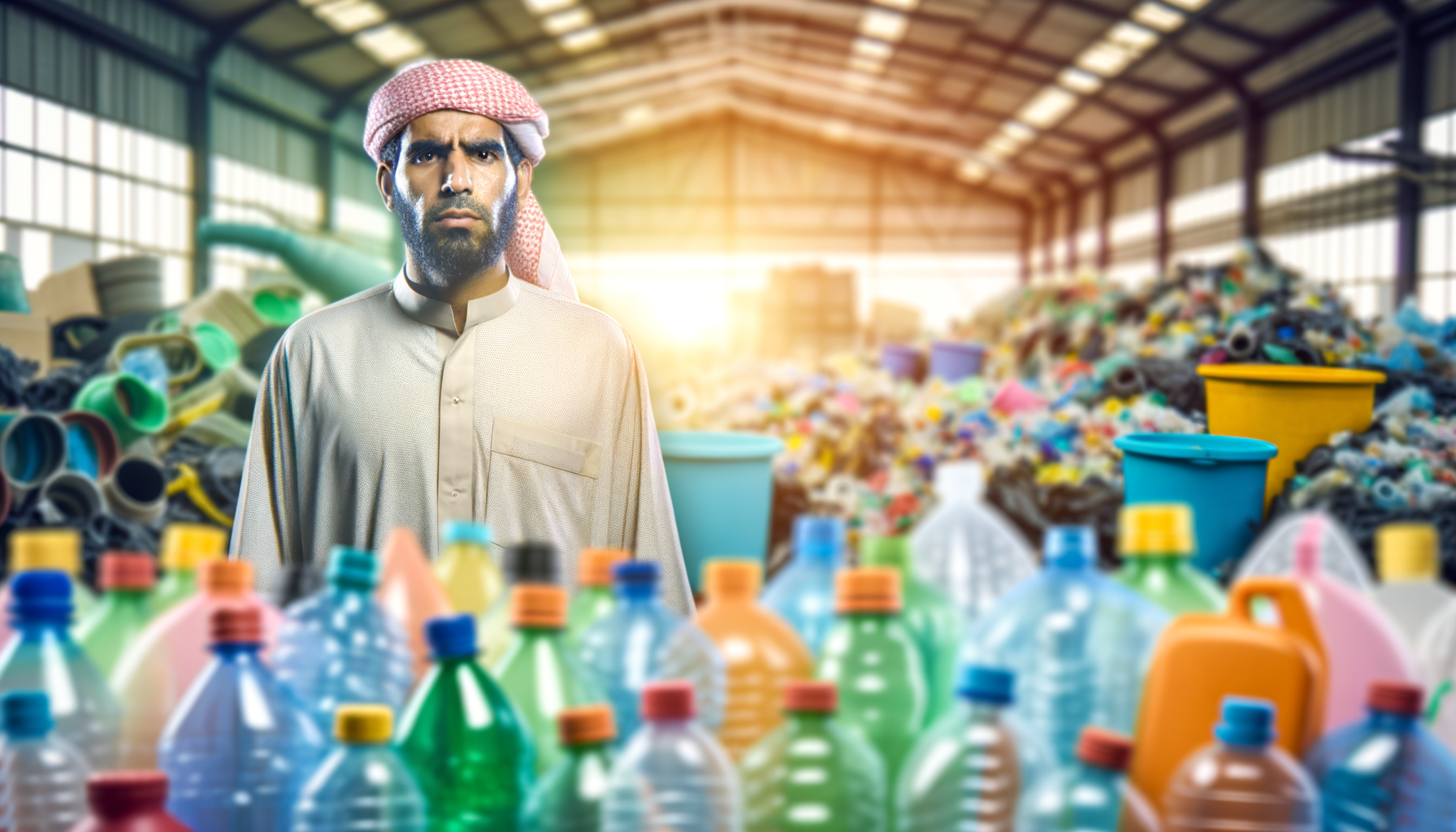
People are using way more plastic than before. This plastic consumption rise is everywhere you look. Ever notice how many snack wrappers or iced coffee cups you use in a week? Multiply that by billions of people.
- Online food delivery wraps almost everything in plastic
- Fashion uses synthetic (plastic-based) fabrics now more than ever
- Building materials: pipes, insulation, tiles, you name it
- Convenience wins. Most people pick what's easy, not what's perfect for the planet
The thing that trips people up? Plastic is cheap. And usually, it's right there when you need it. Until people or companies get better (or cheaper) options, the trend keeps climbing.
What Could Go Wrong if We Don't Change?
It's not all corporate profits and fancy tech. When plastic use explodes without a plan, trouble follows. I've seen whole beaches covered in bottles and bags. Some towns have to burn their trash just to keep up. That's a health risk for real peoplelungs, water, food chain, everything.
- Wildlife eats plastic, then we eat the wildlife
- Burning plastic dumps bad stuff into the air
- Microplastics (tiny bits you can't see) end up in everything, including your tap water
- Cleanups waste a ton of time and tax dollars
It's easy to ignore until it lands on your doorstep.
Is There a Real Opportunity Here?
Absolutely. I'm not saying everyone should start their own recycling plantbut the need is huge. Where there's a mess, there are ideas and businesses that can fix it.
- Smart packaging that dissolves or composts
- Re-use programs (think milk bottles coming back into style)
- Brands that cut plastic out of their products for good
- Tools to help people recycle better at home
- Companies turning old plastic into new stuff (bags, benches, even clothes)
You don't have to invent the next big thing. Even supporting companies doing it right can slow down the plastic flood.
Can Everyday People Make a Difference?
Small moves matter more than you might think. I used to bail on bringing my own bag to the store. One day I finally stuck one in the car, and I actually started using it. Now I probably save a few hundred bags a yearjust me.
- Switch to reusable water bottles (they add up fast)
- Bring your own bags, cups, and containers
- Choose products with less packaging if you have the option
- Push your local stores to offer more eco-friendly options
Sounds cheesy? Maybe, but businesses notice shifts like this. Enough people vote with their wallet, and changes happen.
What's Next for Plastic Production?
The experts say plastic production increase is still going strong, at least over the next decade. But rules and laws are changing. Some places ban certain plastics or demand cleaner versions. Big companies brag about their green projects (even if they sometimes exaggerate). Watch for new materials and recycling tricks to pop up.
The real action comes from people who pay attention and push things forward. If you notice a cool new product or smarter recycling in your area, talk about itor even try it out. The future isn't set in stone. What we do now shapes the next round of plastic stuff everywhere.
Frequently Asked Questions
- Why is plastic production increasing every year?
Plastic is cheap, easy to make, and super useful. More people around the world can now buy things wrapped in plastic or made from it, so factories keep making more to meet that demand. Until we find something as cheap and handy, the trend keeps going up. - Can plastic manufacturing growth be good for the environment?
It sounds odd, but sometimes it can help. For example, lighter plastic packaging can lower how much fuel trucks use. But most of the time, growth means more waste unless companies come up with better ways to recycle or use safer materials. - How much of the worlds plastic is actually recycled?
Not as much as you probably hope. Globally, less than 10 out of every 100 pieces of plastic get recycled. A lot ends up in landfills or the environment because recycling rules and systems arent always the same everywhere. - Do small changes at home really matter in plastic consumption rise?
Yes, absolutely. If everyone switched to reusable bottles or bags, that would cut millions of plastic items out of the trash each year. One person helps, but a crowd of people really gets things moving in the right direction. - Are there any new trends in reducing global plastic output?
Yes. Companies are making more compostable packaging, using recycled materials, and even ditching plastic in some products. Some places are starting to ban or charge extra for certain single-use plastics to get people to switch to greener options. - Whats the easiest swap I can make to help with the plastic problem?
Start with a reusable water bottle or coffee cup. Theyre simple, save you money in the long run, and keep hundreds of plastic bottles and cups out of the trash. Its a small move, but it adds up fast when lots of people do it.