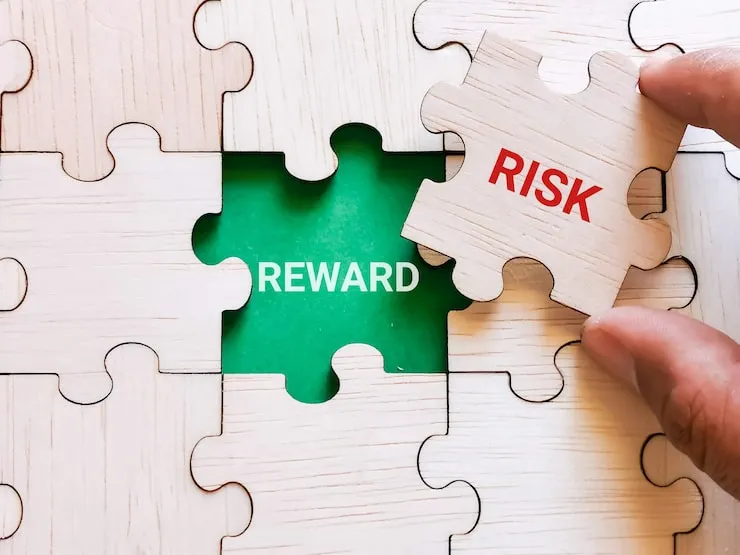
Running a business feels risky, doesn't it? You try your best every day, but there's always that tiny voice saying, 'What if something goes wrong?' Maybe you're a baker and someone slips on a wet floor. Or you run a plumbing company and a bad install causes water damage. Things happen. That's why general liability insurance for businesses is like a safety net. It's there for the accidents you can't predict, so one bad day doesn't wipe out everything you've built.
What Is General Liability Insurance?
Think of general liability insurance as the shield that helps protect your business if someone blames you for injury or damage. It's basic, day-to-day protection for most types of companieswhether you run a shop, sell services, or handle deliveries. Say a customer falls in your store and breaks their wrist. Or your employee knocks over a ladder at a client's house, smashing a window. That's where this insurance kicks in.
- Medical bills if someone gets hurt on your property
- Repair costs if you accidentally damage someone else's stuff
- Legal fees if someone sues you over injury or damage
- Settlements or court-awarded payments
Without this coverage, you could end up paying everything from your own pocket. And costs add up fast.
Why Does Every Business Need This?
No business is too small or 'safe.' Even if you're super careful, accidents are part of life. General liability insurance for businesses protects you from those 'oops' moments. Think about ita lawsuit over a simple slip-and-fall could hit six figures. Most small business owners don't have extra cash to cover that. With the right policy, big problems become small blips instead of disasters. It's peace of mind that keeps your doors open and your dreams alive.
- Protect your savings and assets
- Keep clients happythey often expect proof of coverage
- Helps you get more jobs and contracts
- Makes you look legit and trustworthy
If you skip insurance, one unlucky break could turn into bankruptcy. It's not just about following the rulesit's about protecting everything you've worked for.
What Does Business Liability Coverage Actually Cover?
This is not some catch-all planit's focused on the real-world stuff businesses face. Here are the main things business liability coverage usually handles:
- Third-party injuries: Customers, vendors, or random people who get hurt because of your business
- Property damage: Fixing or paying for stuff your business accidentally breaks
- Advertising injury: Like if you accidentally copy someone's slogan and get sued
- Legal defense: Paying lawyers, even if you didn't actually mess up
Don't assume general liability covers every risk. It won't cover things like:
- Your own injuries or employees' injuries (that's what workers' comp is for)
- Intentional acts (if someone on your team causes damage on purpose)
- Errors in your professional advice (that's covered by a different policy)
So yes, it covers a lot. But it's not magic. Know what you're buying so there are no nasty surprises.
How Much Does General Liability Insurance Cost?
This is the million-dollar question. The price can be pretty affordableor more expensivedepending on what your business does, where it's based, and how risky things are. A freelance designer in a home office might pay $300 a year. A contractor working on busy job sites? Maybe $1,500 or more. The most common price range for small business insurance is $400 to $1,000 annually. Here are key things that affect cost:
- Your industry (construction is higher than consulting)
- How much coverage you want
- Your history with claims
- Location (busy cities often cost more)
Pro tip: Don't cheap out and get the absolute lowest coverage just to save a few bucks. One big claim could easily be five or ten times higher.
What Happens If I Don't Have Business Insurance Protection?
Honestly? You're gambling with your business. Some folks skip insurance to save money, but most regret it after something goes wrong. No coverage means you pay everythingrepairs, medical expenses, legal billsfrom your own bank account. And if you can't pay? Your business could shut down, and you might even risk your personal savings. You could lose your equipment, your building, or even your house. It's a scary thought, but it's real. The cost of insurance is usually way less than the cost of one major accident.
How Do I Choose the Right Policy?
It's easy to feel lost when shopping for commercial general liability insurance. Policies look the same on paper, but the fine print matters. Heres how to keep it simple:
- Figure out what risks are highest for your business
- Decide how much coverage you need (most choose $1 million per claim, but higher is available)
- Ask if you need add-ons (if you own the building, you might need property coverage too)
- Check exclusionsknow what isn't covered
- Shop around and compare quotes from several companies
Don't be afraid to ask questions. Insurance agents are used to explaining things. If someone seems annoyed, move onfind someone patient who makes you feel comfortable.
What Other Types of Coverage Might I Need?
General liability insurance is a great starting point, but it doesn't cover every possible problem. Depending on your business, you might also need:
- Professional liability insurance (for services or advice)
- Workers' compensation (if you have employees)
- Commercial auto insurance (if you drive for business)
- Property insurance (for your stuff or building)
Bundle policies often save you money, so ask about package deals for small business insurance.
Common Mistakes Business Owners Make With Insurance
Most people don't read the policy. They trust the summary and file the paperwork until something goes wrong. Save yourself a headache and avoid these common mistakes:
- Buying too little coverage to save money
- Not updating your policy when your business changes
- Letting the policy lapse because you forgot to pay
- Assuming 'home insurance' covers a home business (usually doesn't)
- Overlooking exclusions and hidden limits
No one wants to read fine print, but trust me, it's better than finding out you're not covered when you actually need it.
Myths About Business Liability Coverage
You might hear stories that make things confusing, so let's clear up a few myths:
- 'I'm too small to get sued.' Not true. Even solo side hustles get legal complaints.
- 'My client's insurance will cover it.' Nope. They're protecting themselves, not you.
- 'It takes forever to get covered.' Most businesses can get a policy set up online in a day.
- 'Insurance never pays out.' If your claim is legit, companies usually settle fast to avoid court costs.
Don't let myths hold you back. Get the facts and protect what you've worked for.
FAQ: Real Questions About General Liability Insurance for Businesses
- How fast can I get covered?
You can usually buy general liability insurance online and get proof of coverage within a daysometimes even within an hour. It's a lot easier than most people expect. Just answer some questions about your business, pick your coverage, and pay. - Is general liability insurance tax-deductible?
Yes, it's a normal business expense. That means you can usually write off what you pay for your policy on your taxes. It saves you some money, but always check with an accountant for your situation. - Do I need it if work from home?
Usually, yes. Homeowner policies rarely cover business activities. So if you meet clients at home, ship products, or have equipment there, you'll want a business policy to be safe. - What happens if I'm sued for something not covered?
If your policy doesn't specifically cover the problem (like professional mistakes or what's not listed in your plan), you'll have to pay everything yourself. That's why it matters to read what's included and talk to your agent if you're unsure. - Does general liability insurance cover employees?
No, it covers non-employeesthink clients, customers, and visitors. For workers who get hurt, you want workers' compensation insurance. - Can I increase my coverage later?
Yes. If your business grows, or you land bigger jobs, you can ask your insurer to raise your limits or add extra protection. It's smart to review your policy at least once a year.
Take a deep breath. This insurance is not as scary or complicated as it sounds. Start with what you know you need. Talk to a pro. And rememberbeing protected means you can focus on growing your business, not worrying about what-ifs.