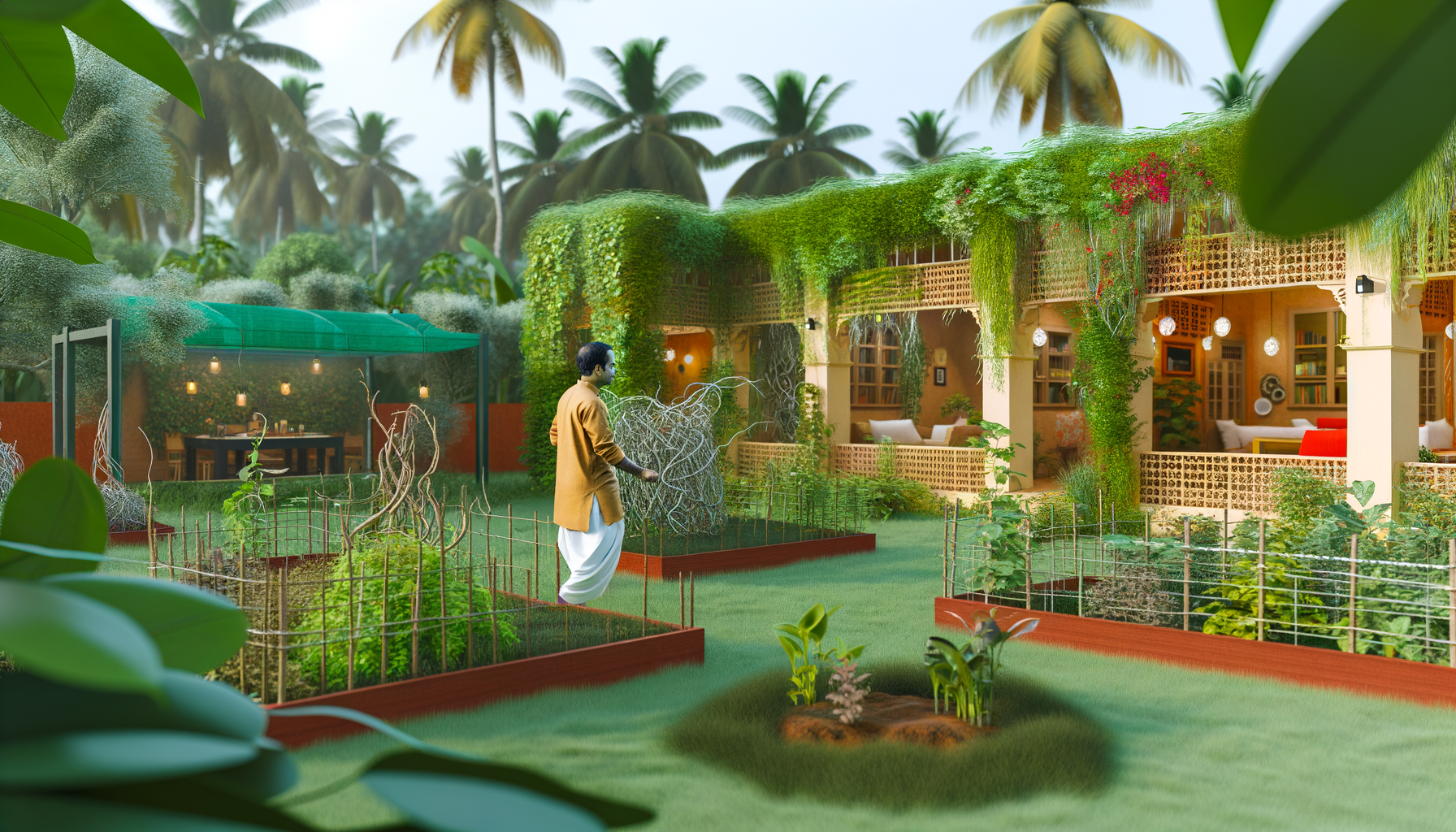
Your backyard could be more than a pretty view. It could be a place where butterflies stop by, tomatoes thrive, and every part works together without you fighting weeds every morning. That's what ecological garden design is all aboutbuilding a space that feels wild and orderly, supports local critters, and cuts your work in half. If you want a yard that helps the planet and actually looks good, you're in the right spot. Here, you'll learn how to start, what pitfalls to skip, and ways to make your garden a true neighborhood gem.
What's Ecological Garden Design and Why Should You Care?
It's using nature as a guide to plan your garden. Instead of forcing grass to grow in dry dirt or picking plants that need buckets of water, you pick what belongs. Local wildflowers, sturdy shrubs, patches for bees and butterflies, and veggiesall working together. The big deal? Less watering, less fuss, and a home that feels truly alive.
- Cuts down your choresnature does the heavy lifting
- Brings in birds, bees, and butterflies
- Less chemicals and less money spent
- Helps your yard bounce back faster after rough weather
Mess up the plant choices, though, and you'll end up babysitting sick flowers and battling bugs nonstop. Stick with what your area already lovesyour future self will thank you.
How Do You Start Building a Sustainable Garden?
Walk your yard and watch. Where does the sun shine longest? Which spots turn into puddles? Which are always dry and cracked? Good sustainable garden ideas come from knowing your ground and weather. Then:
- Choose plants that like your soilskip the divas
- Mix tall, bushy stuff and ground coverthink layers, like a forest
- Gather rainwater with barrels, or shape your yard with shallow swales to steer flow
- Let leaves and grass clippings rot on the soilfree compost!
The first time I tried this, I planted thirsty ferns in full sun. They fried in three weeks. Now, I check every plant label twice and ask locals what's thriving for them.
Which Plants Make Your Garden Wildlife-Friendly?
Want to see more butterflies, ladybugs, and cool birds showing up? It's all about what you plant. Wildlife-friendly gardens use:
- Native flowers: Milkweed for monarchs, coneflowers for pollinators
- Berry shrubs: Serviceberry or elderberry for birds
- Grasses and wild patches: Little bluestem, goldenrod, and a few weeds (yes, some weeds feed helpful bugs)
- Water: A simple dish or small pond brings dragonflies and frogs
Common error here? Getting too tidy. Skip the urge to chop everything back in fall. Leave dead stems and old seed headsbirds eat them through winter.
What Is Permaculture Garden Design and How Do You Use It?
Permaculture garden design means setting things up so each part helps the others, just like in nature. You're not copying a forest, but thinking like one.
- Grow herbs under fruit trees (mint, chives, comfrey)
- Plant nitrogen fixers (clover, peas) to pump nutrients into the earth for everything else
- Build raised beds with paths for easy accessless soil compaction and happier roots
- Group plants with the same water needs
The catch? Trying to plant everything at once or making patterns that look great on Pinterest but don't fit your yard. Start small. Fix one spot. See what works, then expand.
How Do You Switch to Native Plant Landscaping?
Native plant landscaping means choosing trees, shrubs, and flowers that should be growing in your area anyway. They're built for your weather, bugs, and soil.
- Check with local garden clubs or native plant societiesthey know what's best
- Replace patches of boring lawn with wildflowers or a prairie mix
- Layer different heightslow groundcovers, midsize flowers, tall shrubs or small trees
- Skip fertilizersmost natives just need mulch and water to get started
What can go wrong? Picking plants that aren't truly native or letting invasive ones sneak in. If it's too easy and cheap to get, make sure it's legitsome sellers mix up labels.
What Does Regenerative Gardening Look Like?
Regenerative gardening steps it up. It's not just keeping your yard greenit's healing the land. You're helping the soil rebuild itself, store water better, and send more carbon underground.
- Plant cover crops in bare spots (like clover or ryegrass)
- Rotate garden beds each yeardon't plant tomatoes in the same spot twice
- Add compostkitchen scraps, leaves, coffee grounds
- Let some weeds staydandelions loosen hard soil, wild violets feed bees
If you go too fast (like dumping loads of manure all at once), you might end up with smelly runoff and unhappy neighbors. Start with mulch, then bring in compost little by little.
Common Mistakes People Make (And How To Dodge Them)
- Choosing plants for looks, not survivalpick tough locals
- Trying to go chemical-free overnightinstead, cut back slowly
- Killing every bugsome you want around
- Overwatering or underwateringplants show you what they need if you watch
I once pulled all the clover thinking it was a weed. Turns out, it feeds bees and fixes nitrogen. Now I let patches spread where they want.
Simple Tips to Keep Your Garden Thriving All Year
- Mulch thick in spring to keep roots cool and moist
- Cut back plants after winter, not beforegives critters food and shelter
- Harvest what you planteven edible weeds can end up in a salad
- Take photos each seasonsee what worked and what needs a switch
No one's garden is perfect. Every year, you'll change a few thingsand that's part of the fun.
Ready to Give Ecological Garden Design a Try?
You don't have to transform your whole yard in a weekend. Tackle one section, swap out a water-hogging shrub for a native one, or set up a bird bath. Start small, pay attention, and give yourself permission to mess up. The best gardens always come with a few mistakes (and some proud stories, too). The bugs, birds, and neighbors will all noticeeven if it takes a season or two.
Frequently Asked Questions
- What is the main advantage of ecological garden design?
It creates a yard that's less work and better for the planet at the same time. Once it's set up, you'll water less, use fewer chemicals, and see more wildlife visiting. - Can I use ecological design ideas in a small garden?
Absolutely. Even a small patio or porch can use sustainable garden ideas, like potted native plants or a mini herb spiral. Layers and biodiversity matter even more in tiny spaces. - How do I start a wildlife-friendly garden if I have kids or pets?
Focus on safe, non-toxic native plants and design with open paths for running and play. Leave wild corners for bugs but keep prickly or poisonous plants away from main play areas. - How long does it take for a regenerative garden to show results?
Youll see shifts in as little as a season, especially with soil health and pollinators. But bigger changeslike more birds, butterflies, and rich, dark soilcome after a year or two of steady effort. - What if my neighbors don't like the look of native plant landscaping?
Start with neat paths, clear borders, and signs if needed. Most people come around once they see more birds and flowers. Sharing seeds or plants sometimes wins them over too. - Do I have to stop mowing my lawn completely?
No, but you can mow less, mow higher, or switch some grass to wildflowers. It saves time, supports insects, and usually looks better once you get used to the change.