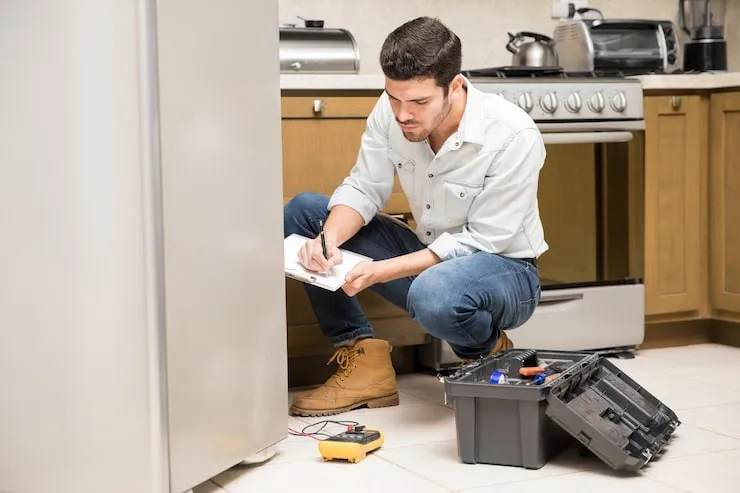
Ever tried fixing something at home, then realized you needed a tool you didn't have? Working in engineering technology feels a bit like that, except the right tool can mean a better job, higher pay, or a new industry. Whether you're in school, on your first job, or stuck in a role that feels old, learning about engineering technology can totally change the direction of your career.
What is engineering technology, really?
So, let's keep this simple: engineering technology is where hands-on skills meet the know-how of traditional engineering. You're not just sitting in an office making plansyou're out there making stuff work in the real world. Think less theory, more using gadgets, running machines, and solving problems you can actually touch and see.
- Setting up manufacturing lines
- Troubleshooting electrical systems
- Designing products people use every day
This field is everywhere. Factories, labs, the car industry, even your citys infrastructureit's all about applying tech to solve real problems.
Why should anyone care about engineering technology?
Here's the thing: every day, more tech ends up in places it wasn't before. Fridges have Wi-Fi, cars have more computers than old NASA rockets, buildings have smart sensors. Someone has to not just design this stuff, but keep it running. That's where you come in.
If you're practical, curious, and dont mind getting your hands dirty (sometimes literally), engineering technology could open the door to tons of engineering careers.
What does a typical day look like in engineering technology?
One day, you're installing a new robot arm on a factory floor. Next day, youre updating code for a heating system or helping design safer gear for construction workers. Theres a lot of varietyplus, the job market is hungry for people who can do both the tech stuff and the people stuff.
- Hands-on troubleshootingsolving tech mysteries
- Collaborating with teamscommunicating with folks who may not 'get' the tech
- Testing, maintaining, and improving equipment
What skills do you actually need?
Don't zone outthis isn't about packing your brain with stuff you'll never use. These are practical skills that hiring managers value:
- Technical know-how: You need to be comfortable with tools, machines, basic programming, and maybe a bit of design.
- Problem solving: Stuff will break. You'll get weird errors. You'll need to keep your cool, figure it out, and fix it.
- Digital fluency: Even classic jobs (like plumbing or HVAC) are getting more tech-heavy. Can you learn new software? Tweak a sensor?
- Teamwork and communication: You'll explain tech to non-tech folksso being clear is key.
The first time I tried to calibrate a sensor, I messed it up so badly the test failed in front of my supervisor. But that's how you learnand nobody expects you to be perfect from day one.
Where can engineering technology take your career?
Good question. With this skillset, youre not locked into one path. You could:
- Work in manufacturing, creating smarter products
- Help cities with their water and energy systems
- Jump into the automotive world, working on electric cars
- Dive into robotics, automation, or even medical devices
The engineering job market is thirsty for people who can prove they know tech and can make it work. Plus, as technology in engineering doubles every few years, new roles pop up constantly.
How is technology changing engineering jobs?
Let's be real: jobs that were about strength or repetition are changing. Robots can lift heavy stuff now, but who keeps the robots working? You. With every new advancement, there are new roles for tech-savvy pros.
- Programming factory machines
- Setting up smart home gadgets
- Helping engineers design products that last longer and break less often
If you're willing to keep learning, you wont get bored.
What can go wrongand how to avoid classic mistakes
I've seen people jump into engineering technology thinking it's all computers and shiny gadgets. Truth is, you'll face grease, confusion, and the occasional project that just won't work. If you hate problem-solving or dealing with surprises, this might drive you nuts.
- Overlooking basics: Forgetting safety or skipping instructions always leads to trouble.
- Not asking questions: Youre not expected to know everything. Ask someone whos done it before.
- Ignoring teamwork: Lone wolves miss out and often make mistakes.
Best move? Stay curious and stay humble. Every engineer messes up. What matters is what you learn when you do.
Can you learn engineering technology without a fancy degree?
Absolutely. While some jobs need college, many entry-level roles value tech certificates, apprenticeships, or even bootcamps. More companies care about whether you can do the work than how many letters you have after your name. Start small. Fix what you can at home. Take free online courses. Tinker. It adds up, fast.
What's the future of engineering technology?
It's brightand getting brighter. With more AI, green tech, and automation rolling out, the industry isn't slowing down. New engineering advancements mean new jobs and higher demand for people with these skills. If you play your cards right, you could shape what the world looks like in ten years. Thats pretty cool.
Ready to start? Here's your game plan:
- Learn the basics (math, science, computers)
- Find a mentor or communityonline or local
- Start a mini project (fix a bike, build a gadget, automate something at home)
- Keep asking questions and never stop learning
- Look for paid internships or volunteer gigs to try things out
Don't wait for the 'perfect' path. The best way to learn engineering technology is to roll up your sleeves and dive in. The skills you build will pay off in ways you can't even imagine yet.
FAQs About Engineering Technology Careers
- What jobs can I get with engineering technology skills?
You can work as a technician, designer, quality control specialist, or even in sales if you know tech. Jobs include managing machines, helping build parts, or testing new products. Basically, anywhere technology and engineering meet, you have a shot. - Do I need a degree to work in engineering technology?
Nope, not always. Some roles need a degree, but a lot of entry-level jobs just look for tech training or hands-on experience. Certificates and apprenticeships count, too. - How much do engineering technology jobs pay?
It depends on the job and location, but many roles pay more than average office jobs. You can earn more as you learn new skills. Higher-level or specialized jobs bring even better pay. - Is engineering technology the same as traditional engineering?
No, they're different. Traditional engineering is more about theory and high-level design. Engineering technology is focused on using and improving tech in daily work. It's hands-on and practical. - What if I'm not great at math or science?
Don't stress. While it helps to be comfortable with math and science, you dont have to be a genius. Practice will help, and there are tons of resources to learn as you go. Focus on solving real problems, not just equations. - How do I keep up with new technology in engineering?
Stay curious. Read industry news, join online groups, talk to people in the field, and never stop learning. The more curious you are, the easier it is to pick up new skills and be ready for whatever comes next.
Think of engineering technology as your ticket to a job that challenges you and lets you build real things. Start with what you have. The rest will follow.