Ever think about what would happen if your hiking trail vanished or your tent blew away before sunset? Stuff goes sideways when you're outdoors. That's not to scare youit's to keep things honest. Outdoor survival is about expecting the weird and being ready for it, whether you're heading into a national park or setting up camp at a busy site. If you've ever worried about getting lost, running out of food, or dealing with wild weather, you're in the right place. We'll cover how real people plan for wilderness adventures and what skills you need to handle whatever nature surprises you with.
What Does Outdoor Survival Really Mean?
Outdoor survival isn't about wrestling bears or building treehouses with your bare hands. It's staying safe, fed, warm, and sane when you're out where help is far away. It's a mix of common sense, outdoor skills, camping preparation, and keeping your cool when things go wrong.
- Staying warm and dry is top priority
- Food and water matter, but not always in that order
- Shelter beats fancy gear when the weather turns ugly
If you plan your adventure well, you're already halfway to being prepared. Survival isn't always dramaticsometimes it's just not forgetting extra socks or a lighter that works.
How Do You Plan a Wilderness Adventure (Without Going Overboard)?
Wilderness adventure planning sounds intense, but it's really about being honest about your limits and picking the right spot for your comfort level. You don't need to disappear for weeks to become a survival pro. It can be one weekend, with a few friends, and a decent weather forecast.
- Check the weather the day before and morning of your trip
- Tell someone where you're going and when you'll be back
- Pack gear you know how to usenot gadgets you'll fumble with
- Don't skip first aid supplies, even for one-night trips
Biggest mistake? Overpacking or underpreparing. Carrying stuff you can't use or skipping essentials like water filters can ruin your fun or get you in trouble.
What Emergency Preparedness Steps Actually Matter?
Emergency preparedness for outdoor survival is less about carrying a dozen tools and more about knowing what to do if you get stuck, lost, or hurt. Think basics:
- Fire: always have more than one way to start it
- Navigation: bring a map and compass, and know the basics of both
- Shelter: even a tarp or emergency blanket beats nothing
- Signal: whistle or mirror to get help if you need it
Having emergency contacts and knowing the nearest ranger station or exit points makes a huge difference if trouble finds you.
Which Survival Tips Are Worth Remembering?
Some survival tips stick because they're simple and work in real life. Here are the ones that actually matter out there:
- Stay put if you're lostmoving makes it harder to find you
- Three blasts on a whistle means you need help
- Boil water if you can't filter itdon't risk getting sick
- Wear layers instead of one thick jacketeasier to adjust
- Trust your gut. If something feels off, stop and rethink your plan
Most folks who get into trouble didn't plan to; they just didn't listen to that weird little alarm bell in their head.
How Do You Build Outdoor Skills Without Taking a Class?
You don't need fancy certifications to get better at outdoor survival. You can practice the basics close to home before you take them on a longer trip:
- Build a fire in your backyard (safely!) or at a campsite
- Pitch a tent in the darksee how fast you can do it
- Try cooking with just one pot and basic ingredients
- Practice reading printed maps, not just your phone
Each small thing you get comfortable with means one less thing to panic over when the weather goes sideways or your phone loses signal.
What to Pack for Camping Preparation (And What to Leave Out)
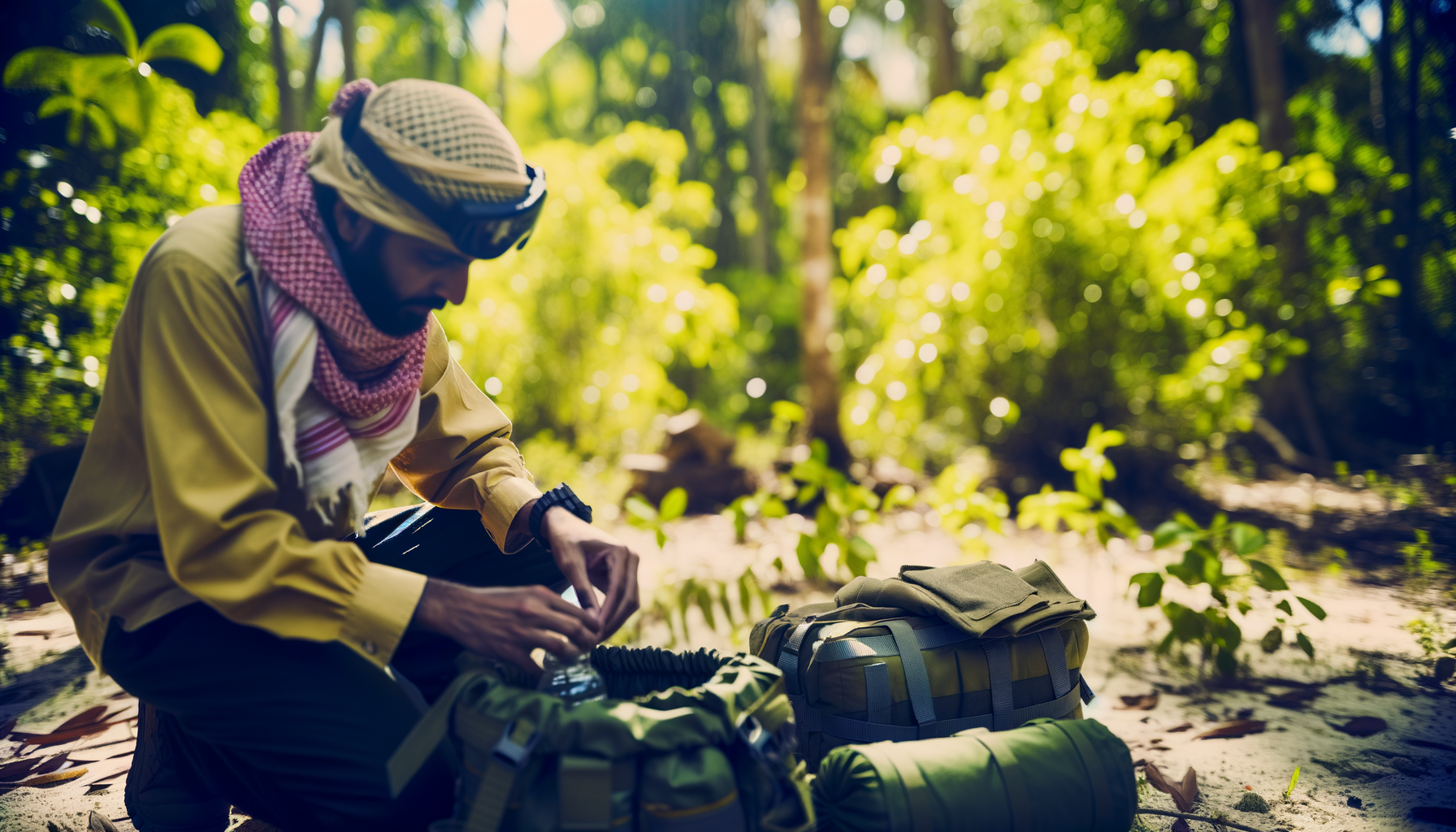
Camping preparation isn't a contest to see who can haul the most gear. It's about keeping it light but safe. Here's how most experienced campers narrow it down:
- Multi-use gear: knife, duct tape, headlamp, tarp
- Layers for warmth: no cotton, always wool or synthetic
- Reliable shoesuncomfortable feet can wreck your day
- Backup snacks and water sources (filter, tablets)
- Simple first aid kittweezers, bandages, allergy meds
Leave behind: unread books, heavy chairs, or gadgets you'll never touch. Trust me, you'll appreciate less weight on that last mile home.
Common Outdoor Survival Mistakes (And How to Avoid Them)
Mistakes happen. The key is to not make the same one twice. Here are the old classics:
- Poor planninggoing in without a real plan
- Ignoring the weatherhope is not a strategy
- Forgetting backup ways to make fire or purify water
- Not knowing basic first aid
- Letting your ego call the shots (big one!)
The best way to stay safe is to admit what you don't knowthen learn it before you're deep in the woods.
FAQs About Outdoor Survival and Wilderness Adventure Planning
- What are the top three things needed for outdoor survival?
Easy: Shelter, water, and fire. You'll stay warm and dry, keep hydrated, and have a way to cook or signal for help. Everything else comes after those basics. - How should I get ready for my first camping trip?
Start by making a list, keep it simple, and test your gear at home. Make sure you have the essentials: tent, sleeping bag, food, water, and a way to start a fire. Dont pack more than you can carry. - What skills should I learn before going into the wilderness?
Learn how to start a fire, read a map, set up a simple shelter, and use a first aid kit. These outdoor skills help you handle most common problems and build your confidence too. - Is outdoor survival just for remote places?
Nope! Emergencies can happen close to popular campsites or even in local parks. The same emergency preparedness basics apply anywhere you might have to wait for help. - What should I do if I get lost while hiking?
Stop, stay calm, and stay where you are. Try to signal for help with a whistle or bright clothing. Moving around makes it harder for people to find youso save your energy and stay put. - Can I practice survival skills without going on a big trip?
Yes. Try building a fire in a safe spot, filtering water, or setting up a shelter in your yard or at a campground. Even short practice sessions help you feel more prepared when you head out for real.
Outdoor survival comes down to being honest about what you know, paying attention to your limits, and getting comfortable with a few key skills. Grab your gear, start small, and build up from there. Pretty soon, you'll handle surprises outside with way more confidence, and maybe even have a better time because of it.