You're making a grocery list, and you scan your fridge. Some veggies are past their prime, a half-eaten takeout sits forgotten in the back, and that salad dressing? Who knows how old it is. If this scene feels familiar, you're not alone. The truth is, we all end up wasting more than we want. That's where sustainable consumption and production comes in. It's about making choices, big and small, that cut waste and make a real differencenot just for you but for everyone and the planet.
What Does Sustainable Consumption and Production Even Mean?
At its core, sustainable consumption and production is about using what we have in a way that keeps things goingresources, money, the planet itself. It's picking what we need, using it wisely, and thinking ahead. Instead of buying stuff just to toss it, we're talking lasting, repeatable choices.
- Buying eco-friendly products, like reusable bags or refillable water bottles
- Eating what you buy before it goes bad
- Choosing things made to last or repair, not just cheap and replaceable
Why does it matter? Because every time we create, ship, or toss something, there's an environmental impact. We're burning energy, using water, and making waste. Choosing better habits means less of all that.
Why Green Choices Matter (Even If They Seem Small)
You'd be surprised how much difference it makes when people change simple habits. Pick up a stainless steel bottle instead of grabbing another plastic oneone small swap, but it adds up fast if everyone does it. Choosing green isn't about being perfect; it's about piling up easy wins until they become part of your day.
- Turning off lights when you leave a room
- Shopping secondhand clothes or electronics
- Walking or biking instead of short car rides
- Buying local produce (fewer miles = less fuel burned)
Messing up is normal. You'll forget your bag every now and then or eat out more than planned. That's okaydoing something is better than nothing. It all counts.
How Does Responsible Consumption Look Day-to-Day?
Let's get real: being eco-friendly shouldn't feel like a second job. Responsible consumption is about making choices that fit your life. Start small, see what works, build from there.
How to Start Making Sustainable Choices Without Overthinking It
- Before you buy: Ask yourself, do you need it? Will you use it?
- Check labels: Look for recycled or sustainably sourced materials
- Go for quality: One solid backpack beats three flimsy ones over time
- Use what you already have: That old lunchbox still works great
Forget the idea that you have to redo your entire lifestyle. Pick one swapmaybe reusable coffee cup instead of paperthen add new habits as you go.
Eco-Friendly Products: Hype or Game Changer?
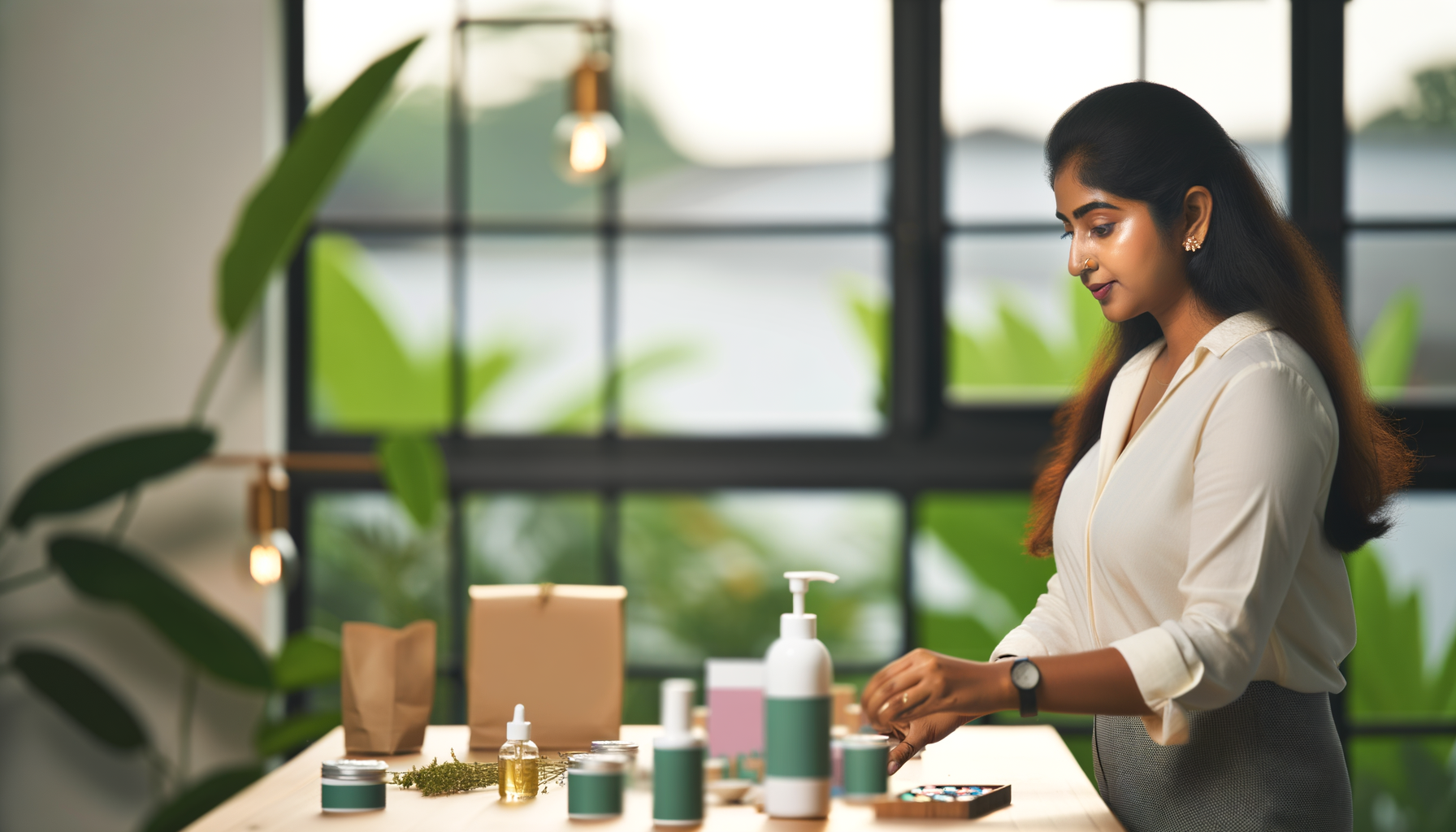
Companies are selling everything labeled "green" now, but not all of it delivers. Some eco-friendly products are amazing, but others are just regular stuff in green packaging. Look for products that actually reduce waste, save energy, or last much longer than throwaway versions.
- Bamboo toothbrushes over plastic (biodegradable = less trash)
- LED bulbs for less energy use and lower bills
- Solid bars (soap, shampoo) instead of bottled liquids
The best stuff usually works just as wellor sometimes better. When you're not sure, read what real users say, not just what the box promises.
Common Mistakes People Make With Sustainable Consumption
Even if you mean well, it's easy to get tripped up. Here are a few things lots of us do without thinking:
- Buying 'eco-friendly' but not really using it (like fancy reusable bags you leave at home)
- Throwing out something useable just to 'upgrade' to the new green trend
- Overbuying fresh food (ends up as waste anyway)
- Thinking your small actions don't matter
Nobody's perfect. It's about steady progress, not guilt.
Does Your Lifestyle Have to Change to Make a Difference?
Nope, you don't have to swap city life for a cabin in the woods. You can keep your routines and still make moves that count.
- Pick the one green habit you'll actually stick with. That's worth more than twenty you drop after a week.
- Combine errands so you drive less
- Swap out one thinglike plastic wrap for beeswax coversand see how it goes
Change what feels doable. When it works, try another. It's a marathon, not a sprint.
What Happens When Businesses and Cities Get On Board?
Sure, personal habits matter, but bigger players have huge impact. Imagine every business, store, or city focusing on sustainability. That means:
- Shops cutting down packaging (less to toss)
- Restaurants offering 'bring your own container' options
- Cities making recycling and composting the default way to deal with waste
- Big brands shifting to renewable energy for production
It takes both people and systems. The more we ask for change, the more likely big groups jump in.
Sticking With Green Choices Long Term
It's easy to try a new habit for a week. The trouble is making it last. Here are ways to keep on track:
- Make it part of your routine (like packing your reusable bag with your wallet)
- Get friends or family involvedit's less work if you don't go solo
- Remind yourself what you're savingnot just the planet, but your money and time
Feeling proud of those choices means you'll keep at it. Over time, you'll barely notice the differenceexcept for the good it does.
FAQs: Common Questions About Sustainable Choices
- What is an example of sustainable consumption and production?
Using a reusable water bottle instead of buying single-use plastic bottles is a great example. It cuts waste, saves money, and keeps plastic out of landfills. Small changes like this add up fast if lots of people join in. - How can I start living a more sustainable lifestyle?
Start with one habit, like turning off the lights when leaving a room or shopping with a reusable bag. Add more over time. It's about making steady choices that fit your real life, not changing everything overnight. - Are eco-friendly products worth the money?
Usually yes. Many eco-friendly products last longer and do the same job (or better). Things like LED bulbs, solid shampoo bars, or stainless steel bottles save you money in the long run because you buy less often. - What does 'responsible consumption' mean?
Responsible consumption means thinking before you buy. Ask if you truly need it, and if it's something that will get used. It's about making choices that help you, the people who make the products, and the planet. - Does it really help the environment if one person makes green choices?
One person helps, but millions matter. When you make a switch, it sets an example and adds up with others doing the same. Companies and towns notice what people want, and that's how bigger changes happen. - What are the easiest steps to lower my environmental impact?
Try eating all the food you buy, recycling more, taking shorter showers, and driving less. They're simple, don't cost much (or anything), and they quickly make a noticeable difference.
Start with a single swap, and don't stress the rest. Each green move makes things a bit better, for everyone, every day.