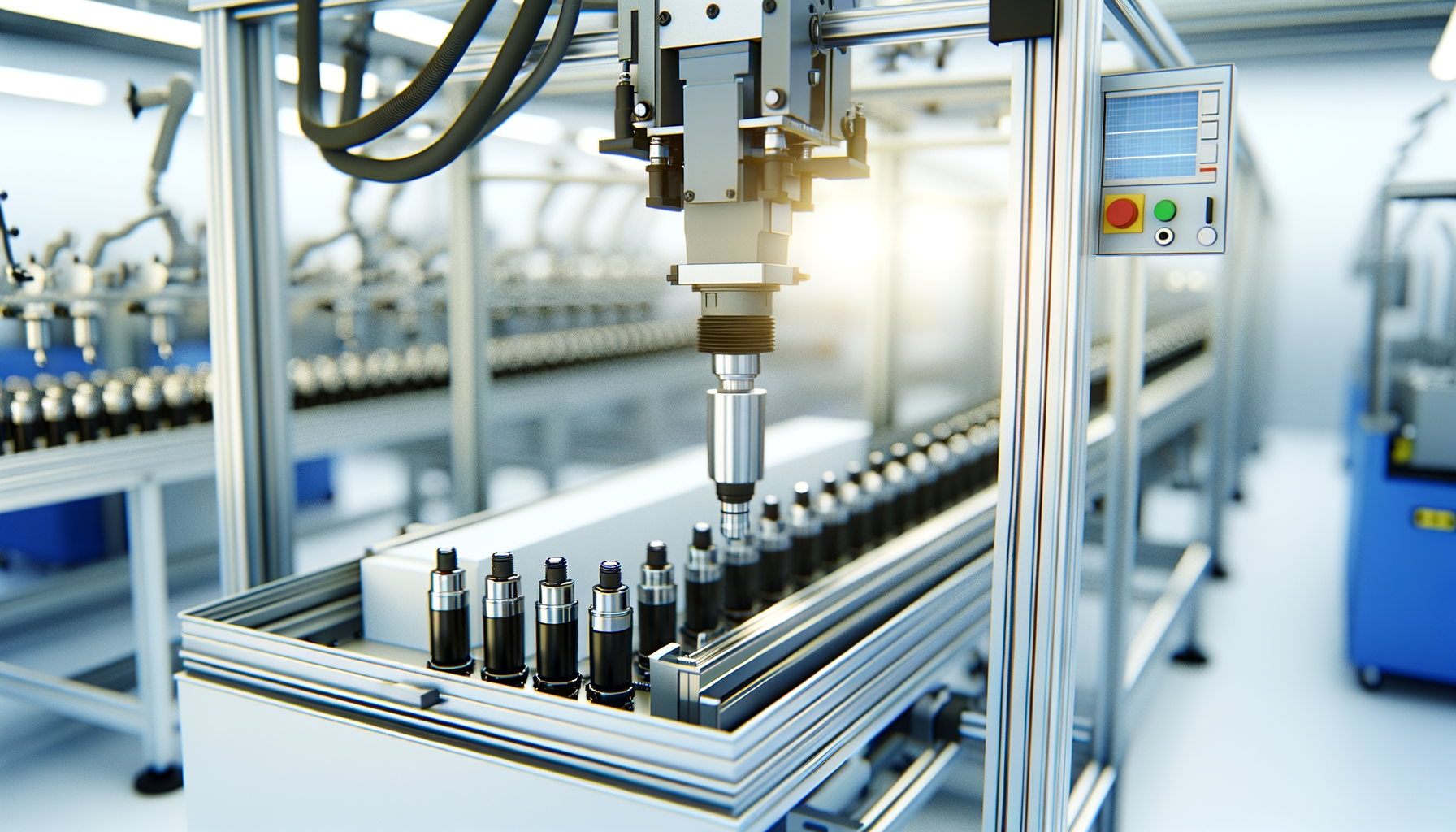
Why Do Companies Use Automated Manufacturing Systems?
Think about all the steps it takes to make a chocolate bar. Now double that for cars, phones, or even ketchup bottles. There are so many ways for things to go wrong: slow workers, tiny mistakes, or missing parts. An automated manufacturing system steps in and keeps things moving the same way every time. It uses machines, computers, and sometimes robots to handle repetitive jobs people can get tired of.
Companies use these systems to boost production efficiency, cut costs, and lower mistakes. But it's not only about speed. Machines dont need lunch breaks, dont call in sick, and dont forget steps. That means the final products are consistent, too, which people expect these days.
What Exactly Is an Automated Manufacturing System?
An automated manufacturing system uses machines (like conveyor belts or robotic arms), software, and sensors to handle tasks that used to need people. It can be as simple as one robot screwing on bottle caps, or as complex as a whole factory with barely anyone inside. Manufacturing automation covers:
- Assembly lines with robots
- Machines that check for defects by themselves
- Software that schedules maintenance before things break
The main goal: repeat the same process perfectly and quickly, every single time.
How Does Manufacturing Automation Improve Production Efficiency?
Remember the game of telephone? Small errors can spiral the longer the chain. In factories, mistakes slow things down and cost money. Automated production is like writing down the message and passing the paper insteadless risk of messing up.
- Less downtime: Machines don't get tired or distracted
- Faster work: Robots can move quicker than people (and dont complain)
- Fewer errors: Sensors catch mistakes early, so products dont get ruined
- Predictable quality: Products come out the same every time
All this adds up to faster, better, and more reliable output. And when things are smooth, it usually means happier customers and fatter profits.
Can Small Businesses Use Automated Manufacturing Systems?
Totally. You dont need a giant factory or a millionaire's budget. Even small shops use automation, like machines that count pills or print labels. The key is to pick something that fixes your biggest headache first.
- Start with simple automation: Conveyor belts, label printers, or barcode scanners
- Upgrade slowly as your needs grow
- Ask your team what slows them down mostthat's your target
Don't expect everything to be perfect from day one. It's okay to mess up or buy the wrong gadget. The more you try, the more you learn.
What Are the Downsides or Gotchas of Automated Production?
It's not all sunshine and faster-faster-faster. Manufacturing systems can be tricky. Here are some things people mess up:
- Buying too much too soon: Folks get excited, buy fancy gear, and find out later they cant use half of it
- Not training your people: Automation isn't set-and-forget. Your team needs to know how to diagnose problems or do quick fixes
- Neglecting maintenance: Just because it's a robot doesn't mean it never breaks down
- Ignoring real human input: Machines can't always spot unique problems only people notice
The first time I tried to set up a label printer, it kept jamming. Turns out I loaded the paper backward. I watched a YouTube video, fixed it, and felt like a tech genius (for about five minutes). It's okay to trip upjust don't give up.
How Do You Pick the Right Manufacturing Automation?
With all the choices out there, it can get overwhelming fast. Try this:
- Start with what's slowing you down mostfix that first
- Look for systems that play well with what you already have
- Be ready to call support (and ask dumb questionsthere's no shame)
- Test drive before you buy, if you can
- Don't believe the hype; read real reviews or ask around
Many industrial automation solutions come with free trials or demos. Try them and see what sticks. If your team doesnt like it, dont force it.
How to Make Automation Work for You Without Losing Your Mind
You'll probably want to automate everything once you see it work. Resist that urge! Focus on what pays off fastest.
- Automate the stuff you hate doing most
- Keep your setup as simple as possible
- Write things downhow you fixed things, what went wrong, what settings work
- Teach someone else, so you're not the only go-to person
The trick is to let the machines handle the boring, repetitive jobs, so your team can focus on things that actually need peoplecreativity, troubleshooting, and big-picture planning.
Quick Tips to Maximize Production Efficiency with Automation
- Check settings regularlyone wrong setting can mess up hundreds of units
- Don't skip maintenancelubricate, update software, and check for worn-out parts
- Look out for bottlenecksif things pile up somewhere, automate that spot next
- Chat with your teamif they're frustrated or wasting time, you can probably fix it with a machine
FAQ: Real Answers About Automated Manufacturing Systems
- What kind of businesses benefit most from automated manufacturing systems?
Any business that makes stuff over and over can benefit, but larger manufacturers usually save the most time and money. Even small companies can automate steps like packing or labeling to speed up their work. - Is automation expensive to start?
You don't have to spend a fortune. Small machines or starter kits can cost less than hiring someone new. It's smarter to start small and grow your automation as your business grows. - Will machines replace all factory workers?
Nope. Machines handle repetitive jobs best, but people are needed for repairs, planning, and creative problem-solving. Most companies use a mix of people and machines for the best results. - How do I know if automation is right for my business?
If you find yourself doing the same task over and over and it's holding you back, automation might help. Talk to your team, look at what's slowing you down, and check if there's a simple system that fixes it. - Whats the most common mistake with manufacturing automation?
The biggest mistake is trying to automate everything at once. It's better to pick one area, learn what works, and then expand step by step. Most businesses that go too big too fast end up wasting money and time. - What skills do I need to run an automated manufacturing system?
You dont need to be a tech wizard. Basic computer skills and a bit of hands-on learning are enough for most setups. Some training is always good, and most companies learn as they go.
Try fixing the slowest part of your process with a simple machine. See how it feels, then decide what to automate next. If you start small and keep learning, youll save time, cut mistakes, and make your business way more efficientwithout tearing your hair out along the way.