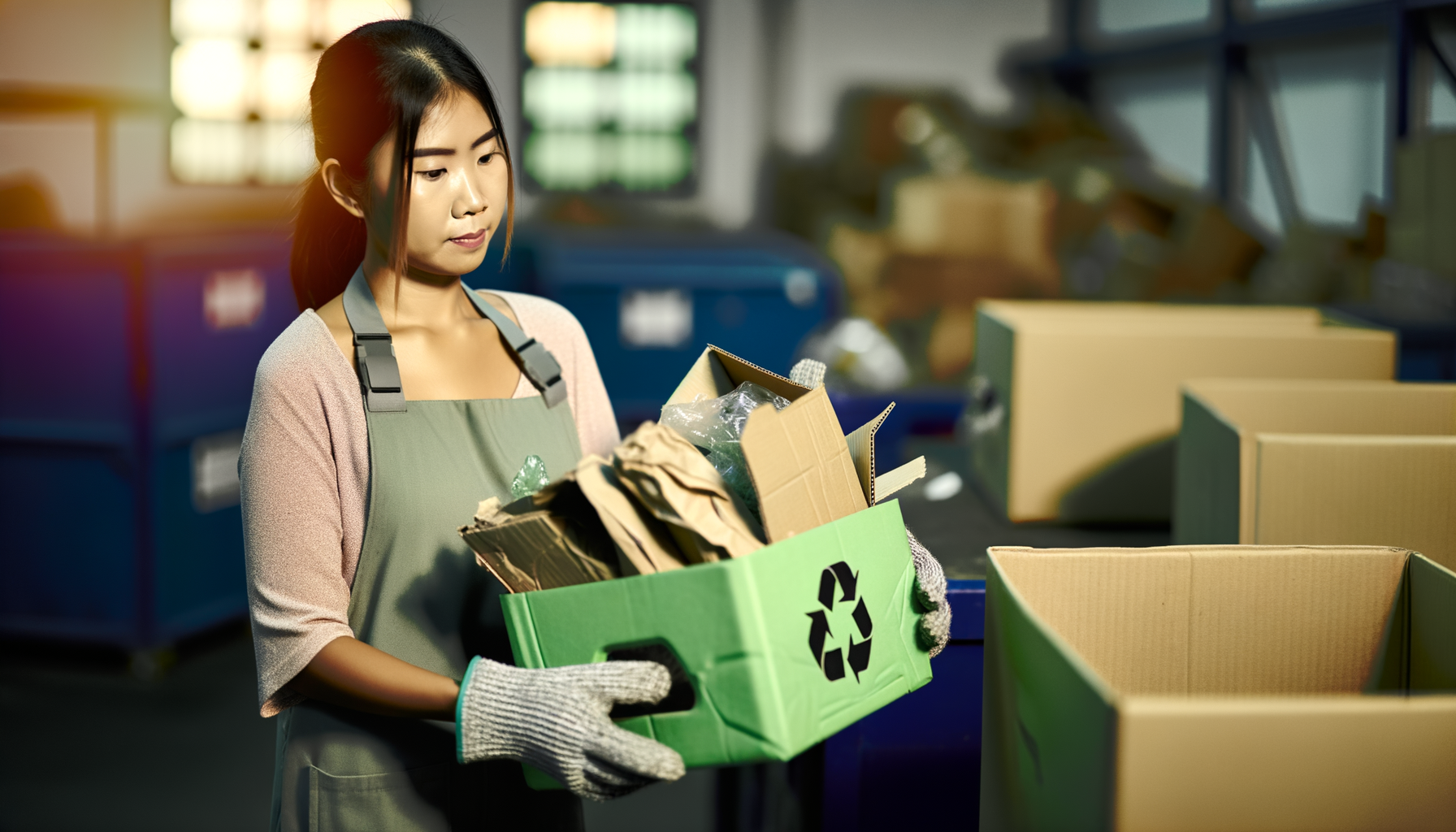
Ever walk into the back room of a store or warehouse and get hit by the sight of boxes stacked everywhere, bubble wrap crumpled in corners, and trash bins overflowing? Packaging waste is out of control for a lot of businesses. It's not just bad for the planet. It's money in the trashliterally. If you're looking for real packaging waste solutions, you're in the right place. We're talking about stuff companies can actually use, not ideas that sound nice but crash the bottom line. You'll discover how to shrink your waste, make recycling work for your team, and find packaging that doesn't make you roll your eyes at the price.
What's Causing All This Packaging Waste?
Packaging waste is everything you throw out after opening products: cardboard boxes, plastic wraps, tape, void fillyou name it. It's a headache that's grown with the rise of online shopping and strict shipping requirements. Most of it comes from:
- Single-use boxes (you only need them once, then they're trash)
- Opened shrink wrap and bubble wrap
- Tape, labels, and stickers stuck on every box
- Over-packagingsending a small item in a giant box stuffed with air
This waste piles up way faster than you'd think and busts your waste removal budget.
Why Do Companies Need Better Packaging Waste Solutions?
First, it costs money. You pay for all that packaging coming in, then you pay again to throw it out. Landfill fees aren't going down anytime soon. Customers are also paying attention. More folks want sustainable packaging (they'll even check your recycling symbols before sharing a positive review). And let's be reallocal recycling rules aren't going to get any easier. If your company ignores packaging waste, you'll lose trust and cash.
How Do You Start Managing Packaging Waste?
Step One: Count (and Sort) Your Waste
Think of waste management like cleaning your closet. You can't fix the mess if you don't know what's piling up. Spend a week tracking what gets tossed after each shipmentcardboard, plastic, tape, foam peanuts, all of it. Once you see what's filling your trash, you know where to focus.
Step Two: Train Your Team
Most team members toss whatever's easiest. Show your crew how to break down boxes, separate recyclable plastics, and spot stuff that's actually compostable. Put signs up so no one guesses what's recyclable. Make it easy, or you'll be sorting out their mistakes later.
Step Three: Match Solutions to Your Waste
There's no one-size-fits-all answer. If your main problem is mountains of cardboard, look into a cardboard baler. Drowning in plastic film? Find out if a local recycler takes shrink wrap. Overrun by packing peanuts? Some companies will actually pick them up to reuse. Focus on what will shrink your waste the fastest.
Which Packaging Waste Solutions Actually Work?
- Reuse What You Can: If boxes are in good shape, use them again. Ship products in once-used boxes, or offer them to customers for returns.
- Switch to Eco-Friendly Packaging: Compostable mailers, recycled paper, and even cornstarch-based fillings can replace plastic. It's not always pricier, and some brands get discounts for buying in bulk.
- Set Up a Sorting Station: Make it obvious where trash, recycling, and compost go. The easier it is, the less likely someone's dumping recyclables into regular garbage.
- Work With Your Vendors: Ask suppliers to cut down waste on their end. Fewer layers of packaging coming in means less work for you.
- Try a Packaging Take-Back Program: Some companies offer shipping supplies you can send back for reuse or recycling, often at no extra cost.
Don't feel like every tiny change has to be perfect. Small moves add up. If you mess up? Fix it next time and keep going.
What About Packaging Recycling?
Packaging recycling sounds good, but it often falls apart if your team isn't on board or if local recyclers won't take your stuff. Here are common mistakes companies make:
- Not removing tape and stickers from boxes
- Trying to recycle food-soiled or wet packaging (it ruins whole loads)
- Mixing plasticsmany can't be recycled together
- Piling recyclable waste in regular trash bins
The fix? Make recycling brainless. Keep bins clearly labeled right where the waste happens. Watch out for local recycling rules since what works in one state might not fly in another.
Are Eco-Friendly Packaging Options Worth It?
Switching to eco-friendly packaging can feel pricey at first. But you might save when you skip extra packing materials or get volume discounts. Plus, customers notice. See if these ideas fit your shipments:
- Kraft paper or shredded cardboard instead of plastic fillers
- Compostable mailers for light items
- Recycled-content boxes with simple, clear printing
- Starch-based peanuts that melt in water (and don't cling to everything)
You might run into issues, like fragile products needing more protection. If so, ask your supplier about stronger recycled packaging or double up on padding for just those shipments. It's about doing better, not being perfect overnight.
How Can Companies Set Waste Reduction Goals?
- Pick one type of packaging to cut down this quarter
- Track waste per week and check if it's dropping
- Give your team tiny rewards for hitting waste goals
- Share progress with customerspeople love honesty
The first time you track your waste, you might feel overwhelmed. That's normal. The win comes from seeing improvement, even if it's slow. Make it visible and keep it simple.
FAQ: Answers to Real Packaging Waste Questions
- How do I know which packaging is recyclable?
Check for recycling symbols on the packaging. Most cardboard and paper are okay to recycle, but plastics might be trickier. Your local recycling company can tell you what they accept. If you're not sure, keep it clean and dryfood or wet packs ruin good recycling. - Is compostable packaging better for the environment?
Compostable packaging breaks down faster than plastic, which helps the planet. But it only helps if it actually goes into a compost binnot the regular trash. Make sure you or your customers can compost it easily before switching. - Can I reuse packaging from my suppliers?
Yes! If boxes, wrap, or peanuts are still strong, reuse them for your own shipments or in-store packing. This cuts costs and reduces waste. Some customers even value getting used-but-clean packagingjust let them know why you do it. - What are the cheapest waste reduction strategies for small businesses?
Start by reusing what you have. Break down and flatten boxes to save space and money on trash pickups. Label bins clearly for recycling. These moves cost almost nothing but help a lot. - Why does my recycling get rejected?
If your recycling is dirty, mixed with food, or has the wrong kinds of plastics, it can be rejected. Remove tape from boxes, keep items dry, and double-check your town's rules. One mistake can mess up a whole truckload. - How can I get my team to care about packaging waste?
Make it easy and show why it matters. Share how much waste you toss each month and celebrate when the numbers go down. Give shoutouts or small rewards for people who help outit keeps everyone involved.
Packing waste doesn't have to rule your workplace. Start small. Track what you toss, reuse where you can, and pick one packaging change this month. Over time, you'll shrink your trash, save money, and show customers that you walk the talk. Progress, not perfection. That's the point.