


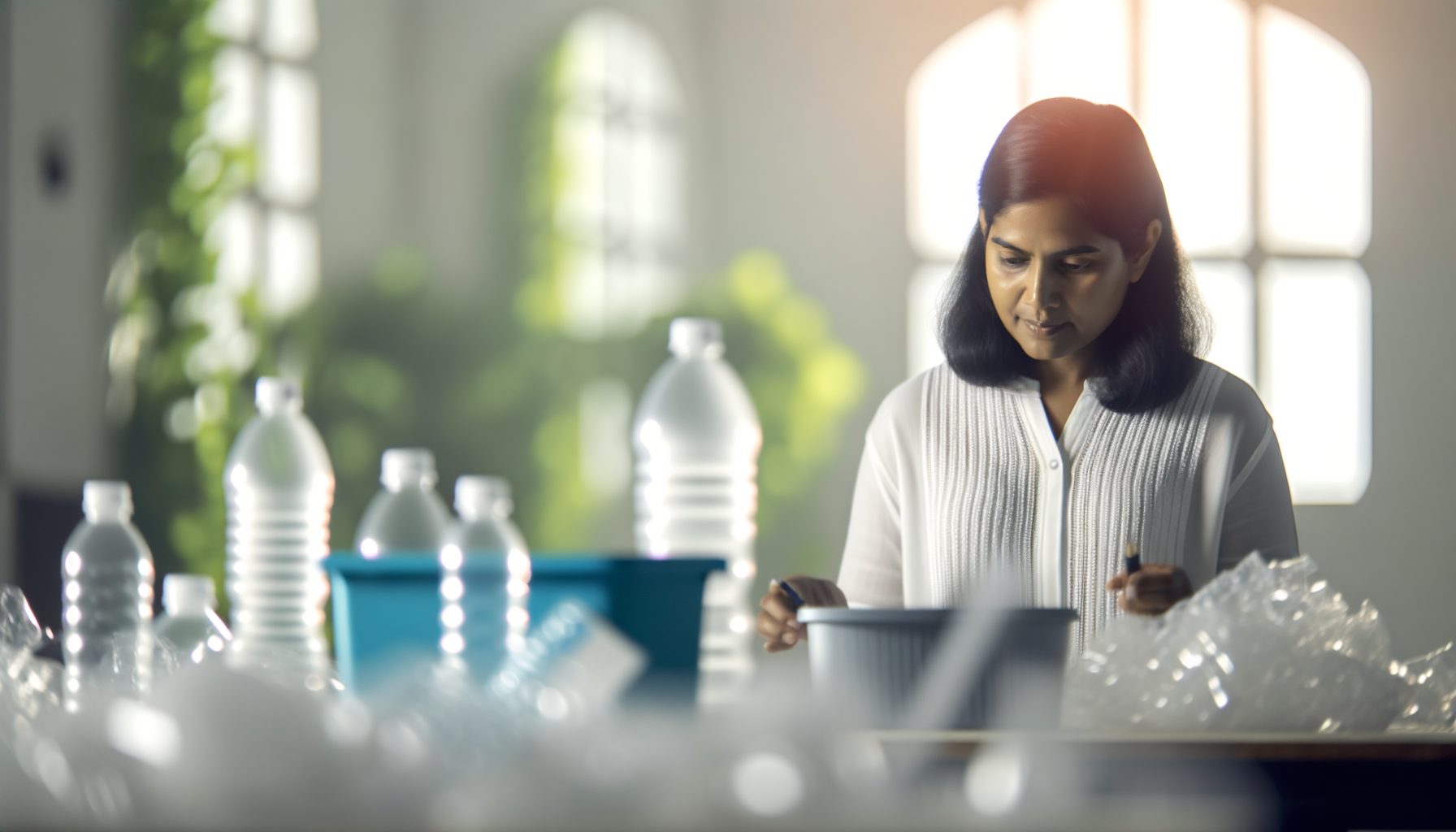
If you're like most people, you toss out plastic every single day without thinking twice. Bottles, food wrappers, that random delivery bagall piling up in your trash can. What happens next? Spoiler: most plastic doesn't disappear. It lands in dumps, rivers, and sometimes even our food. But here's some real talkplastic packaging recycling isn't just a buzzword or an eco-trend. It's a way to turn what you thought was trash into something that actually helps. Stick around, and you'll learn how it really works, why it matters, and what you can actually do (yeah, even if you hate sorting recycling).
What Actually Happens When You Recycle Plastic Packaging?
You've heard that tossing your plastic bottle in the blue bin saves the world. It's not that simple. So what is plastic packaging recycling? It's when plastic wrappers, containers, and bottles get cleaned, chopped up, melted, and used again to make new stuffsometimes a park bench, sometimes more packaging.
- First, trucks collect your recycling every week.
- The stuff gets sorted by people and machines (yeah, it's messy).
- Plastics are cleaned, shredded, then melted down.
- That melted plastic is turned into little pellets or flakes.
- The pellets get sold to companies to become new products.
Sounds simple, right? Sometimes it is. But lots of plastic still doesn't make the cut. Anything greasy, dirty, mixed with food, or weird shapes might end up dumped anyway. So recycling works, but only when we do our part and when the system doesn't get overloaded or sloppy.
Why Does Plastic Packaging Recycling Even Matter?
It's easy to ignore where plastic goes once it leaves your hand. But all that waste causes problems. Plastic never really breaks downit just gets smaller until it sneaks everywhere (yes, even in animals and water). Recycling helps with:
- Cutting down new plastic use (less oil, less pollution).
- Keeping landfills and oceans less clogged up.
- Saving energy compared to making new plastic from scratch.
- Giving old plastics new life as things like benches, clothes, or even new packages.
Here's the catchif recycling is so great, why does it seem like we're drowning in plastic? Truth is, not all plastics get recycled. Some are hard to clean or too small, and not every city has good recycling systems. But even small changes can help a lot.
Which Plastic Packaging Can Actually Be Recycled?
This part trips everyone up. Youd think anything with that triangle symbol is good to go. Nope. Check for:
- Clean bottles and containers (like water bottles and cleaner jugs).
- Rigid stufflike yogurt cups or milk jugs.
- Containers marked #1 and #2 (check the bottom for numbers).
What doesnt work well:
- Plastic bags (they jam up machinestake those back to the store).
- Styrofoam (almost never accepted).
- Greasy boxes (food bits mess everything up).
- Weird shapes, big lids, anything smaller than a credit card (they get lost in sorting).
Best tip? When it doubt, check your citys recycling site or ask. Tossing in the wrong stuff slows everything down.
How Do Packaging Innovations Make Recycling Easier?
Packaging isn't what it was 10 years ago. Now, some brands use sustainable packaging thats easier to recycle or even reuse. Examples that actually make a difference:
- Labels that peel off easily (no more sticky mess).
- Single-material packs (bye-bye, mixed plastic that can't be sorted).
- Bags and wraps made from recycled plastics.
- Reuse-friendly designs (think refillable bottles).
These upgrades matter. When companies switch things up, all that new design makes recycling less confusingand less junk ends up trashed. If you see packages shouting about being '100% recycled' or 'easy to recycle,' chances are those brands are putting their money where their mouth is.
What Are Some Surprising Everyday Items Made From Recycled Plastic?
You might not notice, but recycled plastics show up everywhere:
- Park benches and picnic tables (some feel weirdly smooth because of this).
- Car interiorsyup, the seats and floor mats sometimes come from your old bottles.
- Backpacks, T-shirts, or sneakers made with recycled polyester.
- Planters, bins, and even fences around playgrounds.
Real storya friend bought a hoodie made from recycled plastic bottles and said it felt like any normal hoodie but cooler, because each one used about 10 bottles that would've been trashed otherwise. That's the magicold waste, now something new you can use.
What Are the Hard Truths and Common Mistakes?
Lets be honest: Recycling isnt a perfect system. Heres what often trips people up:
- Not cleaning containersleftover food or drinks ruin whole batches.
- Bagging recyclablesdump them directly in the bin, not in plastic bags.
- Wish-cyclingtossing in stuff you 'hope' gets recycled (usually, it doesnt).
- Missing city-specific rulessome places wont take lids, others will.
No one expects you to be perfect. Most people mess up sometimes. But if you stick to the basicsclean your stuff, sort the right wayyoure already ahead of the curve.
Can We Actually Win Against Plastic Waste?
Plastic isnt going away tomorrow. Still, every bottle, wrapper, and container recycled right means less plastic junk choking landfills and oceans. Real change happens little by littlewhen you rinse a container, when brands create better packages, and when cities get smarter about plastic waste management.
The next time youre about to chuck that water bottle, think about what else it could become. Your tiny choice might end up as a bench in your local park or a T-shirt you wear next summer. If that's not 'turning trash into wonders,' nothing is.
FAQs about Plastic Packaging Recycling
- Q: What plastic packaging is most important to recycle?
A: Focus on clean bottles and containers with numbers 1 or 2 on the bottom. These types get recycled the most and are in high demand for making new things. Skip stuff that's greasy or covered in foodthose usually end up as trash. - Q: Can plastic bags or wraps be recycled at home?
A: Regular curbside bins don't take plastic bags or wraps. These can mess up recycling machines. Some stores collect them separately, so drop them off there instead of tossing them in your trash or blue bin. - Q: How does sustainable packaging help with recycling?
A: Sustainable packaging, like single-material boxes or easy-to-peel labels, makes recycling much simpler. It means less sorting, less confusion, and a higher chance that your package actually becomes something new instead of landfill waste. - Q: Are products made from recycled plastics as good as new ones?
A: Most of the time, yes. Things like park benches, clothes, or bottles made from recycled plastics work just as well and sometimes even better. You're saving resources and cutting pollution at the same time. - Q: What happens if I get the recycling rules wrong?
A: Mistakes happen, and one wrong item usually doesn't ruin everything. But if bins have too much wrong stuff (like food or plastic bags), a whole batch can go to the dump. When in doubt, check your citys rules or leave it out. - Q: Why can't we recycle all plastic packaging?
A: Some plastics are trickythey may be too dirty, too small, or made of mixes that machines can't handle. That's why it's important to choose recyclable packaging when you shop and follow local rules as best you can.
Every smart choice counts. Try one new recycling habit this week, and see how easy it gets the ext time.










