


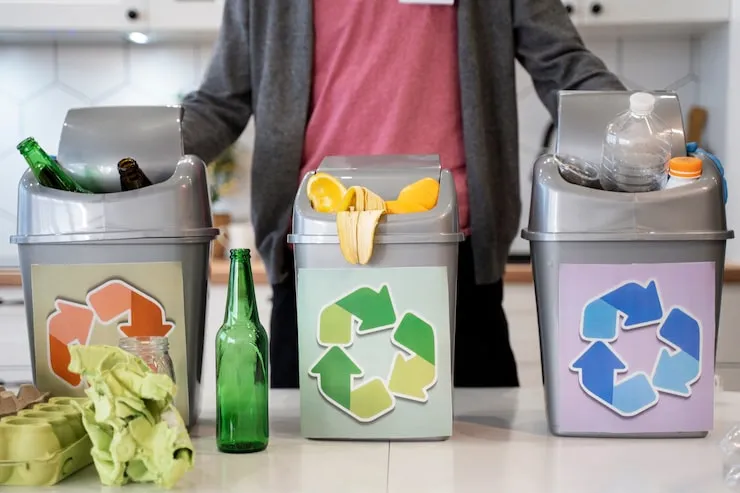
If you've ever stood in front of a trash can, holding an empty water bottle, wondering which bin it belongs in, you're not alone. Plastic recycling feels simple, but when you dig in, it gets confusing fast. Toss it in blue? Rinse first? Does the number matter? It all feels like recycled confusion—pun intended.
The good news: plastic recycling is full of surprises (and it's nowhere near as hopeless as it sometimes seems). This article takes you behind the curtain. I'll spill what makes the plastic recycling world tick, the mistakes everyone makes, real life tricks, and why all those numbers stamped on containers matter. Stick with me and you'll never look at your trash the same way again.
Why Is Plastic Recycling So Complicated?
Let's call it like it is: not all plastics are friends. You probably know about PET (clear soda bottles) or HDPE (milk jugs)—these get recycled a fair bit. But a lot of plastic? It doesn't get a second life. Numbers, symbols, and colors can make the recycling process look like a secret code. What's up with that?
- What it means: Plastics are made from different materials. Not all can go in the same recycling stream.
- Why it matters: If the wrong plastics get mixed, the whole batch can get ruined. That means more stuff ends up in landfills, not new products.
- Action step: Check the triangle on your plastic—look for numbers 1 or 2. Those have the best shot at getting recycled.
- Common mistake: Tossing greasy food containers in the bin. Most plastic recycling centers can't handle them.
The real trick? Don't aim for perfect. Making a habit out of doing what you can (rinsing bottles, checking numbers, skipping the glossy takeout box) makes a way bigger impact over time.
Does My Plastic Actually Get Recycled?
Here’s some honesty—it feels like some kind of lottery. You toss your bottle, but what happens next? Sure, some plastic gets reborn as new bottles or park benches. But sadly, not every piece finishes the recycling process the way we hope.
- What really happens: Only about 9% of plastic is recycled worldwide. The rest? Buried or burned.
- The catch: Dirty, mixed, or tiny plastics get sorted out and tossed at the recycling plant.
- Better odds: Big, clean bottles with labels off have a higher chance of being reused.
- What goes wrong: Plastic bags jam up machines. Tiny bits fall through cracks. Coffee cup lids mess up sorting.
Real talk: perfect isn't possible, but clean, simple items (like soda bottles) have a fighting chance. And when you recycle right, you help the whole system work better.
How Has Recycling Technology Changed the Game?
This is where things get interesting. Recycling technology has come a long way. The machines in sorting plants are wild—lasers, air jets, spinning drums. Some plants even have robots picking out plastics faster than any human could.
- Sorting machines: Use sensors to spot different types of plastic (think HDPE versus PET).
- Cleaning stations: Scrub and rinse the plastics to remove food and labels.
- Shredders: Chop up plastic trash into bits, ready for the next step.
- New tech: Some places use enzymes or chemical recycling to break plastics down almost to their original form.
- Upgraded products: Advanced tech can turn old plastics into clothing, playground equipment, or even roads.
Sounds cool, right? But here's the thing—high-tech plants cost money. Not every city has the latest gear. That's why checking your local rules is still the safest move.
What Happens To Plastic That Can't Be Recycled?
Not all plastic is lost. Some gets a second act. A lot of hard-to-recycle stuff is used in other ways: turned into fuel, burned for energy, or built into things you’d never expect. This is a big topic in plastic waste management.
- Energy recovery: Some non-recyclable plastics get burned in waste-to-energy plants to make electricity.
- Plastic reuse: Some companies chop up old plastics for park benches or construction materials.
- Sustainable plastics: There's a big push to make new types of plastics that break down easier or are made from plants, not oil.
- What’s not great: Burning plastic releases pollution. And “biodegradable” plastic often needs special composting—not just your backyard pile.
The bottom line: the less single-use plastic you touch, the better. But don't beat yourself up over every plastic fork at a picnic.
How Can Regular People Make A Real Difference?
If you’ve ever thought, 'What’s the point? My bit won’t matter,' here’s the truth—your habits show companies and cities what you care about. If enough people rinse a bottle, buy a reusable bag, or ask for less plastic, the world takes notice.
- Start small: Pick one thing. Maybe it's using a reusable water bottle. Maybe it's remembering to skip the straw.
- Read your city’s rules: Each place is different. If you know what your town takes, you recycle smarter.
- Think reuse first: Before tossing, see if a plastic item can get a second life at home (storage, crafts, pet toys).
- Ask stores: Some stores collect plastic bags, wrap, or foam for special recycling programs.
- Keep it simple: Clean and dry plastics give the best shot. Skip greasy, food-stained plastics—they just cause trouble.
Are you going to save the world alone? Nope. But small changes add up when millions join in. The habits you start today make next year’s choices easier for everyone.
What Are the Coolest Things Made from Recycled Plastic?
This is the fun part. Thanks to recycling technology, companies get creative with recycled plastics. It’s not just bottles over and over.
- Sneakers: Big brands use plastic bottles in shoes.
- Jackets: Fleece is often spun from recycled bottles.
- Roads: Some countries mix recycled plastics into asphalt for stronger roads.
- Playground gear: Swings and benches are sometimes made from old milk jugs.
- Furniture: Outdoor chairs and tables can be made from tough recycled plastics.
The wildest thing I’ve seen? Surfboards made from ocean plastics. If you’ve got an eye for design, recycled plastic is a blank canvas for new ideas.
Can We Ever Solve the Plastic Problem?
Short answer: not overnight. The plastic problem is huge. But big stuff starts with small steps. New laws, smarter designs, and better recycling plants help. But what works best is when everyone does a little.
- Support new ideas: Companies making plant-based plastics or refillable packaging need customers to grow.
- Speak up: Schools and neighborhoods listen when people ask for recycling bins, better collection days, or less packaging.
- Keep learning: Stuff changes fast. What couldn’t be recycled last year might be fine today.
Plastic recycling won't solve every problem. But if you know the basics, cut single-use stuff, and pay attention, you’ll be ahead of the game. One bottle at a time, you're helping tip the scales.
FAQs About Plastic Recycling
- What plastics are actually recyclable at home?
Most recycling programs accept plastics labeled with a 1 or 2 inside the triangle—think soda and water bottles, milk jugs, and shampoo bottles. Check your city’s guidelines, but usually, things like plastic bags, wraps, and straws are out. When in doubt, skip items with food residue or things smaller than a credit card. - Do I need to remove labels before recycling plastic bottles?
No need to stress about labels—recycling centers use high temperatures to melt the plastic, so labels burn away. What matters more is making sure the bottle is empty and the cap is on if your program allows it. A quick rinse does the trick. - Why can’t all plastics be recycled?
Not every plastic is made the same. Some melt at different temperatures, some have layers or extra chemicals, and others are too light or flimsy to sort easily. Certain items, like greasy food containers or mixed-material packaging, can ruin batches or jam sorting machines. - Is recycled plastic safe for food packaging?
Yes, most recycled plastics used in new bottles or containers are tested to meet safety rules. The recycling process cleans and heats plastics thoroughly. Still, some products (like clear water bottles) are more likely to use recycled material than others. Check packaging for "made from recycled plastic" if you're curious. - How can I use less plastic every day?
Start with small swaps. Use a refillable water bottle and coffee mug, bring your own bags to the store, pick groceries without extra plastic wrap, and say no to straws. Over time, these changes feel normal. Every piece you skip is one less thing needing recycling or ending up as waste. - Does it matter if recyclables are mixed with trash?
Yes, mixing trash with recycling makes things much harder. Dirty or mixed loads can get rejected and sent to the landfill. To keep the recycling process working, try to separate recyclables from food waste and trash as much as possible.










