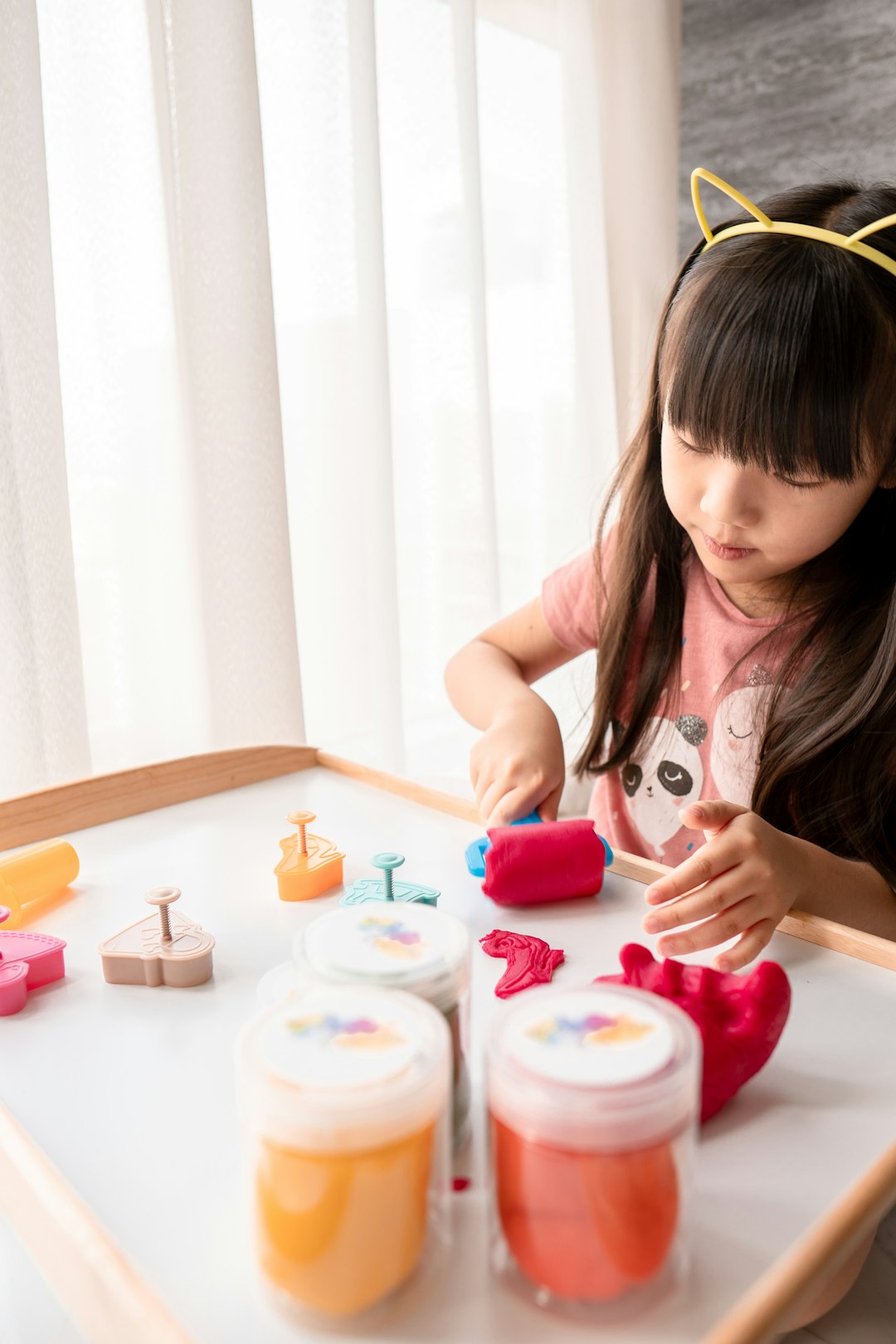
Begin with simple, hands-on experiments using things you already have at home. Set up a small space where your child can explore safely—kitchen counters, a table, or even a tray on the floor. Introduce one activity at a time, like building a marshmallow tower or watching colors mix in water. Ask open-ended questions such as, “What do you think will happen if…?” and let them test their ideas. The goal isn’t a perfect result; it’s curiosity, creativity, and the excitement of discovering something new together.
Next, make it part of everyday life. Notice patterns while cooking, count steps while climbing, or observe nature on a walk. Even ordinary chores can become mini STEM lessons when you ask “why” and “what if” questions. Starting small and keeping it fun helps your child build confidence and see learning as an adventure rather than a task.
What makes a great STEM activity for preschoolers?
- Simple supplies you probably own
- Lots of chances for kids to do things themselves
- Room for mistakes and weird results
- Questions that don't have only one right answer
How do STEM activities help kids this age?
- Learning to solve problems (What if I add more blocks?)
- Getting creative (What happens if I mix all the colors?)
- Working with friends (Team tower challenge!)
- Feeling proud when something finally works
The secret? The process is way more important than the result. My neighbor's kid once tried to 'grow' a rock garden with sprinkles from a cupcake. Nothing happened—except she spent an hour making observations and telling stories about 'water magic.' That's a STEM win.
What are some magical STEM activities for preschoolers?
- Rainbow Walking Water: Set up cups with water and food coloring. Connect them with paper towels. Watch the colors travel and mix. Kids call this 'magic' every time.
- Marshmallow Towers: Use toothpicks and marshmallows to build the tallest or weirdest tower possible. This is all about engineering and gravity—plus some sneaking of marshmallows.
- Dancing Raisins: Drop raisins in a glass of fizzy water. The bubbles grab the raisins and make them rise and fall like they're dancing! Early science, zero set-up.
- DIY Fizzing Reactions: Spoon baking soda into a tray, drizzle vinegar with a pipette, and add a few drops of color. Stand back and watch things fizz. Feels like a science party every time.
- Shadow Tracing: Put toys out on the sidewalk or a big piece of paper. Use sunlight or a flashlight. Trace the shadows and talk about how light moves and shadows change.
- Grow a Bean in a Bag: Wet a paper towel, drop in a dry bean, seal it in a plastic bag, and tape it to the window. Check on it every day—so much excitement as the root and stem poke through.
Can I do STEM activities if I'm not 'science-y'?
- Ask questions together
- Test weird theories
- Look for patterns
- Celebrate when things don't go as planned
That's early childhood STEM in a nutshell—curiosity, creativity, and trying stuff out together.
Keeping hands-on science safe and easy at home
Most hands-on science for preschoolers is safe with some basic ground rules. Check your supplies (no tiny parts around kids who still taste-test everything). Supervise anything that fizzes, pops, or splashes. If an activity seems iffy, skip it and try something tamer. Let kids help set up and clean up, so they see science as something they can do start to finish. It's about building trust—with you, and with their own abilities.
How to avoid common mistakes with preschool STEM experiments
There's no perfect way to do STEM at home, but a few things can make it smoother:
- Don't overschedule—sometimes one experiment a week is plenty
- Focus on fun, not right answers
- Let kids lead, even if it gets silly
- Expect messes and plan for quick clean-ups
My first fizzing volcano flooded the kitchen floor. Guess what? The kids talked about it for weeks. Epic fail? Or best lesson ever?
How can I tell if it's working?
If your child can't wait to 'science' again, you're winning. Look for signs like:
- Kids explaining what happened, even if it sounds wild
- Wanting to try new ideas without your prompting
- Using STEM language (words like float, mix, build) naturally
- Random spurt of tower building out of blocks or cereal boxes
Preschool STEM ideas are about getting kids thinking and moving. You don’t need a test score to prove it’s working. The excitement says it all.
Quick tips for parents new to STEM at home
- Start small—pick one or two simple activities each month
- Let go of 'doing it right'—mistakes are part of the story
- Use what you have before buying special kits
- Give your child plenty of time to ask, try, and test
- Enjoy the mess (or at least tolerate it—it washes out!)
STEM is not a contest. If everyone laughs and learns, you nailed it.
FAQs about STEM activities for preschoolers
- What counts as a STEM activity for a toddler or preschooler?
Anything that gets kids building, exploring, asking questions, or mixing things up counts as STEM. Making playdough, sorting rocks, or even figuring out how to get a toy car down a ramp fits the bill. The main thing is to let kids experiment and find out what happens next—they'll learn more than you expect. - How often should I do STEM projects with my preschooler?
Once a week is great, but even once a month can spark big curiosity. Focus on quality, not quantity. Let your child lead, and keep it pressure-free. If they're having fun, you're doing it right. Some STEM activities might last five minutes, others could stretch into an afternoon—follow their interest. - Can we do STEM at home if I don't have fancy supplies?
Absolutely. Most preschool STEM experiments use stuff you already have: water, cups, kitchen spoons, string, boxes, crayons. Even 'failed' activities teach kids to problem-solve, so don't worry about special equipment. Let kids get creative with what’s around the house. - What are the best STEM projects for rainy days?
Try things that don’t need sunlight or a yard. Build a fort out of cushions and talk about its 'engineering.' Mix up some kitchen science—like baking soda and vinegar fizz. Try sorting toys by size, color, or shape for a quick math lesson. Any fun STEM projects for kids that keep hands busy will work. - Is there a way to keep my child engaged during STEM activities?
Let them take charge as much as possible. Ask open-ended questions and let them guide what happens next. Offer choices—would they rather build, mix, pour, or sort? Little kids love being in control. If they're not into one project, try another later—the goal is learning through play, not a lesson plan. - What if my STEM 'experiment' totally fails?
Perfect. That's actually awesome! Science is about trying, noticing what goes wrong, and testing again. When things flop, talk about why together. Your child learns resilience and creativity, and probably has more fun anyway. Every flop is a step toward figuring things out.