Why Does Eco-Friendly Plastic Packaging Matter?
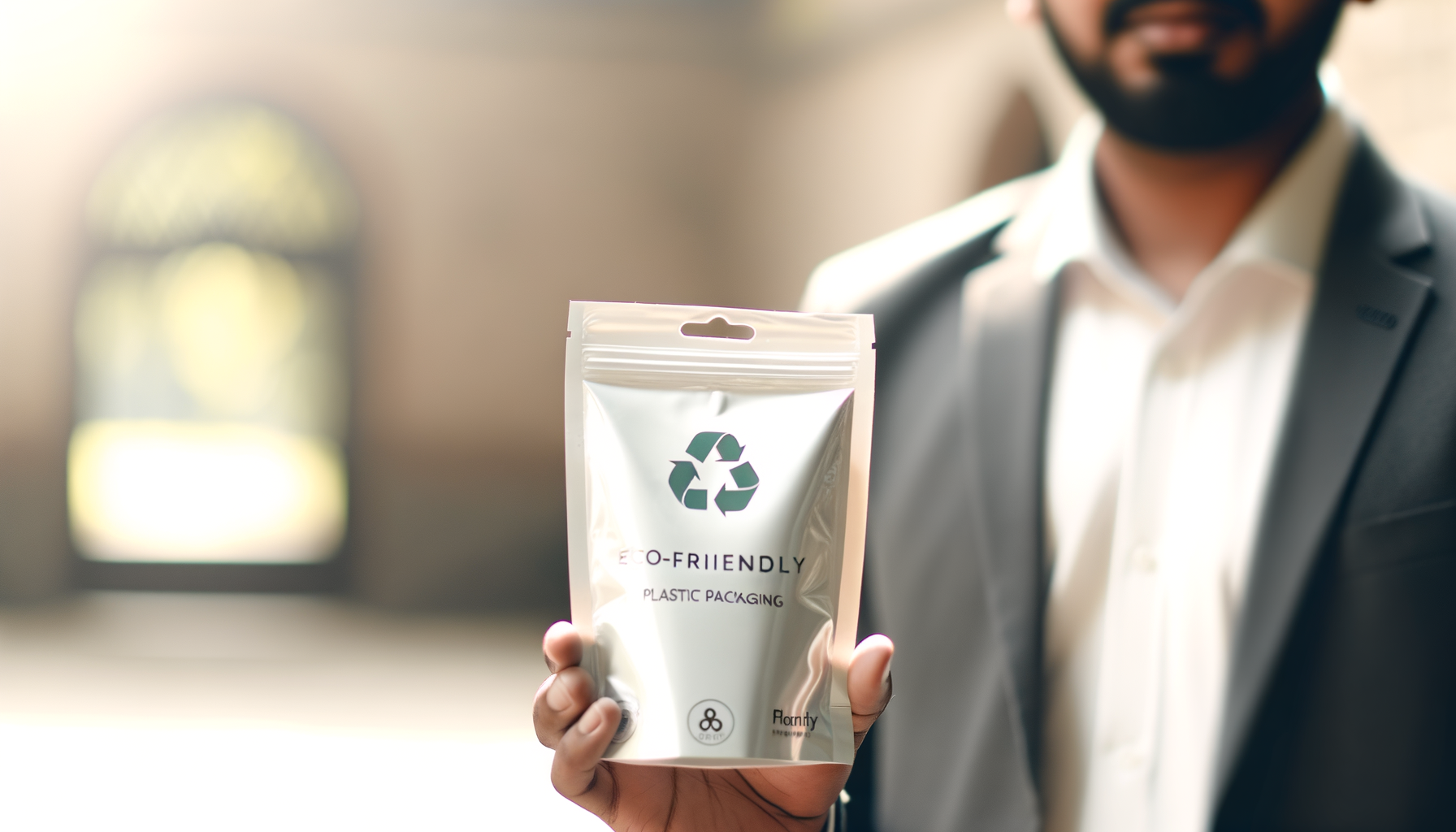
If you've ever felt guilty tossing out a plastic wrapper, you're not alone. Our trash piles up quick, and most plastic isn't going anywhere anytime soon. That's the problem with regular packaging: it sticks around way too long. Eco-friendly plastic packaging is supposed to fix that. It's all about stuff you can actually recycle or it'll break down without turning into tiny plastic crumbs everywhere.
- Reduces landfill waste
- Keeps pollution out of rivers and oceans
- Helps cut down on that nagging guilt every time you open something new
Does it really make a difference? Yeah, but only if we actually use it right and make better choices as shoppers.
What Makes Plastic Packaging Eco-Friendly?
Eco-friendly plastic packaging isn't just about tossing a green label on a bag. It's about what the packaging is made from and what happens after you use it. Some are made to break down fast. Others are designed for recycling. And a few use less plastic from the start.
- Biodegradable plastic packaging: Breaks down into harmless stuff, not microplastics
- Recyclable packaging materials: Can get a second (or third) life as something new
- Compostable options: Turn right into dirt in the right conditions
- Minimalist design: Less packaging, less waste
Quick reality check: Not every "eco-label" means what it claims. Watch for clear info on how to dispose of it, and don't be fooled by companies that use green as a marketing trick but nothing else changes.
Common Myths About Sustainable Packaging
Some people think anything that says eco-friendly is 100% harmless. That's not true. Here's the stuff nobody tells you:
- Biodegradable doesn't mean throw it in your backyard. It often needs special composting sites.
- Recycling only works if you clean the packaging and put it in the right bin.
- Some "green" plastics can't be recycled with normal plastics.
- Sustainable packaging can cost a little more (usually pennies, but it adds up).
Don't worry, lots of folks still get confused by all the terms. You're not alone if you skipped a step once or threw the wrong wrapper in the trash by mistake.
How Can You Spot Truly Eco-Friendly Packaging?
If it feels too good to be true, triple-check the label. Here are a few clues:
- Look for clear recycling symbols and disposal instructions
- Read labels: Is it certified by a real group (like the FSC or a legit recycling symbol)?
- Check the thickness: Thinner, but sturdy packaging usually means less plastic used
- Ask yourself: Can you reuse it, or does it just become more trash?
Pro tip from experience: At the store, flip the package. If you can't tell how to recycle or compost it after a 5-second scan, it's probably not as green as it looks.
Living With Less Waste: Real-World Tips
Switching to eco-friendly plastic packaging isn't all-or-nothing. Small swaps make a huge difference over time. Here are my go-to moves:
- Pick products with recyclable packaging materials even if it's just your favorite chips
- Bring your own bags and containers (yeah, it takes getting used to)
- Try brands that clearly explain how to recycle or compost their stuff
- Reuse jars, sandwich pouches, or sturdy wrappers for snacks on the go
Honestly, I messed up at first. I tossed compostable forks in regular trash for months. The fix? I put a sticky note on my trash can to remind myself what goes where.
What Could Go Wrong With Green Packaging?
Let's be real. Sometimes the packaging says it's eco-friendly, but you still end up with a mess. Here's why:
- You need a special facility to compost some plastics most regular trash pickups won't take them
- Plastics labeled as "oxo-degradable" often just break into smaller bits (not truly gone!)
- Local recycling rules are different everywhere, so what's recyclable at your place might not be across town
If you feel like you can't win, don't stress. Focus on the packaging you understand, and ask your city what they actually accept. One step is better than none.
Are There Cool Examples of Eco-Friendly Plastic Packaging?
You bet. Here's what companies and regular people are trying right now:
- Snack bars in wrappers made from compostable plant films
- Clear bottles made from recycled ocean plastic (these feel just as sturdy as regular bottles)
- Refillable bulk bins at stores bring your own containers
- Multi-use containers for takeout and delivery
Some of this stuff is new, so it doesn't work everywhere yet. If you see it, try it. You'll surprise yourself with how easy it is to adjust. Plus, sharing your finds helps more stores offer greener options.
How Do We Make Eco-Friendly Packaging The New Normal?
One person ditching plastic won't save the world, but it does set off a chain reaction. When enough people choose better packaging, stores and brands take notice. That brings prices down and makes green options more common.
- Tell your favorite brands what you want they listen
- Try new options, even if it's not perfect (progress matters)
- Teach friends or family how to recycle or compost their packaging
You don't need to be perfect. Every swap from regular plastic to sustainable packaging counts. That's how you get from a weird trend to the new standard.
FAQs About Eco-Friendly Plastic Packaging
- Q: Is all eco-friendly plastic packaging really safe for the environment?
A: Not always. Some packaging looks green but still creates waste if it's not recycled or composted right. Always check if your local service accepts it. - Q: Can you put biodegradable plastic in your regular compost?
A: Most times, no. Regular backyards aren't hot enough to break it down fast. These need special composting sites that your city might have. - Q: What are the easiest ways to find recyclable packaging materials at my grocery store?
A: Look for packaging with clear recycling labels. Choose see-through bottles, cardboard containers, and items that skip the fancy plastic wraps. - Q: Do green packaging solutions cost a lot more?
A: Usually it's just a little more, maybe a few cents extra per item. The gap is getting smaller as more people buy these options. - Q: Why can't all packaging be made from eco-friendly plastic?
A: Some foods and products need stronger packaging to stay fresh or safe. Companies are working on better materials, but it takes time and testing. - Q: What's the difference between compostable, recyclable, and biodegradable packaging?
A: Compostable turns into soil in the right place, recyclable turns into new stuff, and biodegradable just means it'll break down (but that can take a while).
Ready to Switch? Start Small
Changing habits isn't easy, but every small move adds up fast. Next time you shop, pick one thing wrapped in eco-friendly plastic packaging. Try sticking with that switch for a month. You'll get used to it, and before long you'll be reaching for better options without even thinking. That's how real change starts one easy swap at a time. Your future self (and the planet) will thank you.