Why Is So Much Plastic Packaging Still Around?
Let's face it, no one likes ripping open a snack only to feel guilty about what happens to the wrapper. Regular plastic packaging is cheap and everywhere, but it doesn't break down easily. That means it hangs out in landfills and oceans for what feels like forever. It's a problem most of us see every day. Now, eco plastic packaging is stepping up to fix things. It's not the perfect solution, but it's a smart place to start. Here's what makes it different and how you can help the planet just by choosing better packaging.
What Exactly Is Eco Plastic Packaging?
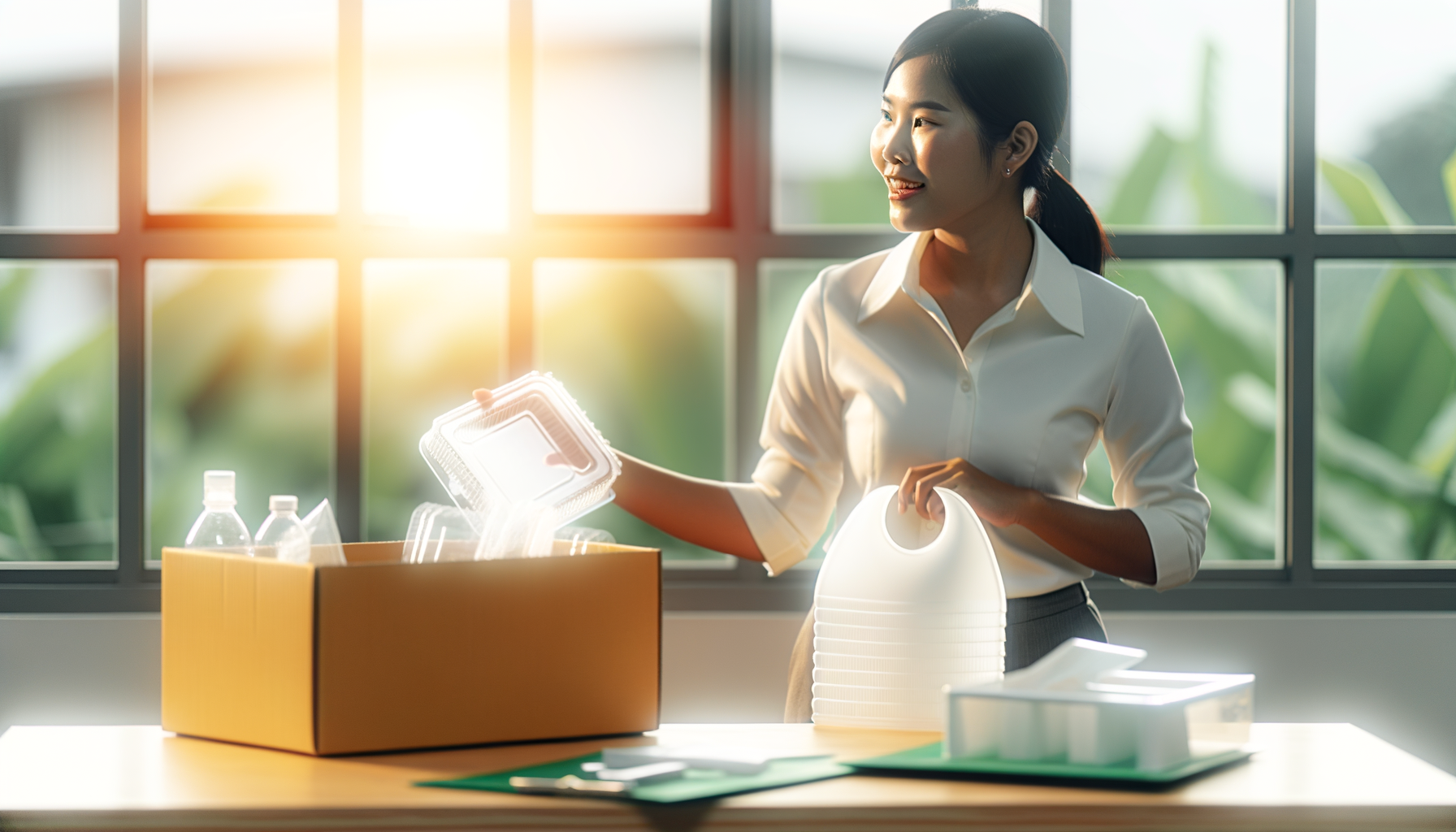
Eco plastic packaging covers anything made to be less rough on the earth than regular plastic. Think of stuff that uses less fossil fuel, breaks down faster, or makes it easier to recycle. Youll see it on takeout boxes, produce bags, and even mailers. Some are made from plants. Some are designed to melt away in the compost bin. Others are regular plastics reimagined so they can be recycled instead of trashed. The main thing: they're built to lower waste and help lighten our trash load.
- Sustainable packaging: Made to last longer or created in a way that limits harm
- Biodegradable plastic packaging: Can break down naturally after use
- Recyclable plastic packaging: Designed for another life through recycling
- Environmentally friendly packaging: Any mix of the above with a lighter impact
This stuff matters because packaging is everywhere. Every bit swapped for something greener can make a real difference.
How Is Eco Plastic Packaging Made?
There's no one magic recipe. Some eco plastic options start with plants like corn or sugarcane. Others use recycled plastic from old bottles or bags. The process usually uses less energy than making new plastic from scratch. The goal is less waste, less pollution, and giving trash a second chance at life. It can be more expensive to make, but smart companies see the long-term benefits, both for their reputation and the planet.
- Plant-based plastics (bioplastics) are made from renewable stuff
- Some plastics mix in things that help them break down faster
- Others are thin but strong, so they use less material in each package
If youve ever had a takeout fork or straw that looks like plastic but says compostable on it, youve met one version of this.
What Makes Packaging 'Sustainable'?
Sustainable packaging does more than just swap ingredients. Its designed for the full life cyclefrom start to finish. That means:
- Uses less energy and water to produce
- Made with recycled or easily renewed materials
- Easy to reuse or recycle after use
- Biodegrades or breaks down, not sit around forever
But heres the truth: no package is perfect. Some biodegradables need special compost rules to break down, and not every recycling center takes every type of eco plastic. The best sustainable solution still needs us to do our part by recycling or composting it right.
What's the Difference Between Biodegradable and Recyclable?
This is the part that gets confusing. Biodegradable plastic packaging can break down by itself, but how fast and under what conditions is a big deal. Some break down in regular dirt or water. Others need a commercial compost spot, not your backyard bin. Recyclable plastic packaging is meant to be cleaned and sent back for a new lifebut only if you actually put it in the right bin. If it lands in the trash, it's back to square one.
- Biodegradable: Turns into harmless stuff (like water, gases, and biomass)
- Recyclable: Can be made into new packaging or other plastic products
If a package says its both, read the fine print. Sometimes, biodegradable stuff shouldnt be recycled, so its one or the other.
Why Should I Care About Eco Plastic Packaging?
Because the small swaps add up. If you pick a pack of berries in environmentally friendly packaging, youre helping shrink the pile in the landfill. Businesses see what shoppers buy, and when you go green, they notice. The more people demand better packaging, the more companies try new ideas. Plus, it's a way to lessen your footprint, without needing to go totally zero-waste (unless you want to!).
What Are the Downsides?
Lets be realeco plastic isnt perfect. Heres what can go wrong:
- Some products cost more, which can be tough for businesses and families
- Not all recycling centers or compost piles take every type of eco plastic
- Marketing can be confusingwords like biodegradable or compostable arent always clear
- If disposed of the wrong way, eco plastic can act like regular plastic
Educating yourself (and yeah, sometimes friends and family) makes the difference between a good idea and an actual solution.
How Can You Start Using Eco Plastic Packaging?
Dont get overwhelmed. Start simple:
- Look for labels like 'biodegradable', 'compostable', or 'made with recycled content'
- Bring your own bags when shopping
- Pick products using less or better packaging (check the bottom of packages for recycle info)
- If you run a business, ask your supplier about sustainable optionsthere are more choices now than ever
- Dispose of packaging rightread what your local recycling or composting program accepts
Every swap helps. It isnt about being perfect. Its about making better choices, day by day.
Is Eco Plastic Packaging Just a Trend?
Not anymore. Sure, it started as a buzzword, but as people want real solutions, these options are becoming the new normal. With some patience (and a bit of pressure from shoppers), even the biggest companies are making the switch. Real change comes from millions of small moves. Every sandwich bag, grocery sack, or shipping mailer can be part of the solution if we keep asking for better alternatives.
FAQ: What People Want to Know About Eco Plastic Packaging
- Q: Is eco plastic packaging really better for the planet?
A: Yes, it generally iswhen used and tossed the right way. Eco plastics usually take less energy to make and break down faster than regular plastic. Just remember, its important to recycle or compost them as the label says. If they land in the landfill, they wont help as much. - Q: Can I recycle biodegradable plastic packaging at home?
A: Usually not. Most biodegradable plastics need special facilities to break down and shouldnt be put in the regular recycling bin. Always read the packaging for disposal instructions or check with your local waste program. - Q: Whats the difference between sustainable and eco plastic packaging?
A: Sustainable packaging focuses on how the whole product is made, shipped, and disposed of, not just the material. Eco plastic packaging is one type of sustainable packaging, but not the only one. Both are trying to reduce waste and pollution. - Q: Where can I find products with environmentally friendly packaging?
A: More stores are carrying eco-friendly options now. Check for brands that talk about their packaging or look for labels like 'made from recycled materials', 'biodegradable', or 'compostable' right on the pack. - Q: Does recyclable plastic packaging get actually recycled?
A: Sometimesif you put it in the right recycling bin and your local center accepts it. Not all recycling programs take all kinds of plastic. Always check what's allowed locally to keep it out of the landfill. - Q: Is eco packaging more expensive than regular plastic?
A: It can cost a little more, but prices are dropping as more people use it. Also, some companies save money by using lighter or less packaging, which helps balance the cost. Plus, investing in the environment now can save bigger problems (and costs) later.
Ready to Make a BetterChoice?
Heres the bottom line: eco plastic packaging is one easy step you can take to shrink your waste and maybe guilt a little less over that afternoon snack. Start with what you canevery wrapper swapped is a win. The earth will thank you, in fewer landfills and cleaner oceans. Try one small switch, then another. Thats how things change, one person at a time.