


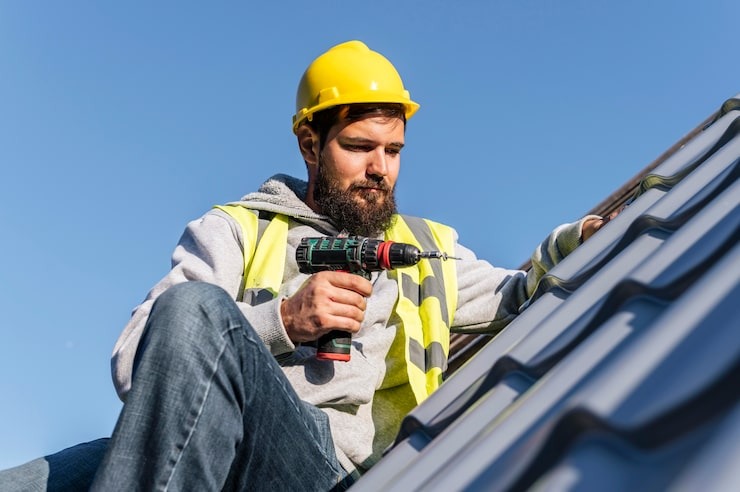
A roof is like a strong, silent guardian. It works hard every day. It keeps out rain, sun, and snow. But even the best guardian needs a little help sometimes. Think of it like going to the doctor for a check-up. You want an expert to make sure everything is okay.
This guide shares important roofing contractor tips. These tips come from years of experience. They will help you take great care of your roof. You will learn how to find the right help. You will know what questions to ask. Let's make sure your roof stays strong for many years!
Phase 1: Smart Planning Before You Start

Before you call anyone, it's good to know a few things. This prepares you for a great conversation with a roofing expert.
Understanding Your Roof's Needs
First, you need to know what your roof might need. Is it a small repair or a full replacement? Look for warning signs.
-
Visible Damage: Can you see curled, cracked, or missing shingles?
-
Granule Loss: Are there lots of sandy granules in your gutters? This means shingles are wearing out.
-
Leaks or Stains: Do you see water stains on ceilings or walls inside your home?
-
Sagging Areas: Does any part of the roof look like it is dipping down?
Knowing these signs helps you talk clearly with a contractor. It shows them you are an informed homeowner.
Setting a Realistic Budget for Your Project
Read more :- Estate Planning Made Easy: A Simple Guide for Every Family
A new roof is a big investment. It protects your biggest asset—your home. It’s important to plan your roofing budget wisely.
Do not just choose the cheapest price. A very low price can mean lower quality materials or rushed work. Ask contractors for detailed estimates. This helps you compare fairly. Remember, a good roof saves money on energy and repairs later.
Phase 2: Choosing Your Roofing Partner
This is the most important step. The right contractor makes all the difference.
How to Find a Trustworthy Roofing Professional
You want a true expert, not just someone with a ladder. Here is how to find them:
-
Check for License and Insurance: Always ask, "Are you licensed and insured?" A professional will happily show you proof. This protects you if something goes wrong.
-
Look for Local Experience: A company that has worked in your area for years knows local weather challenges. They also know local building rules.
-
Read Reviews and Ask for References: Look at their online reviews. But also ask them for a list of past customers you can call. Hearing from a real neighbor is very helpful.
Key Questions to Ask Your Roofer
When you meet with a contractor, be ready with questions. A good roofer will have clear answers.
-
"Will you handle the roofing permit process for my project?"
-
"What is your plan for protecting my property? How will you clean up?"
-
"Can you explain the warranty coverage on both materials and your work?"
-
"Who will be my main contact person during the project?"
As Mike Rivera, a veteran contractor with 20 years of experience, says: "The best conversations with homeowners are full of questions. It tells me they care about their home. I always have time for a homeowner's questions."
Phase 3: During the Roofing Project
The work has begun! Here’s what you can expect from a great crew.
Preparing Your Home for the Roof Installation
A little preparation makes the job smoother. Move cars out of the driveway. Clear wall shelves, as the hammering can cause vibrations. Protect or move items in your attic. A good crew will also help with this preparation.
Understanding Materials and Ventilation
Your contractor should explain your material options. They might talk about durable asphalt shingles or long-lasting metal roofing. They should also stress the importance of proper roof ventilation. A well-ventilated attic prevents ice dams in winter and lowers cooling costs in summer. It’s a key part of a healthy roofing system.
Phase 4: After the Job is Done
The last shingle is nailed. But you're not quite finished!
The Final Inspection and Walkthrough
Never skip the final walkthrough. Go on the roof with the project manager (safely, of course!). Look at the workmanship. Check that all old materials are gone from your yard. Make sure gutters are clean. This is your chance to see the quality up close.
Managing Roof Maintenance for Longevity
Your new roof needs simple care to live a long life. Schedule regular roof inspections, especially after big storms. Keep those gutters clean to prevent water backup. Trim tree branches that hang over the roof. Following a simple roof maintenance schedule is the best way to protect your investment.
Frequently Asked Questions
Q: How often should I have my roof inspected?
A: It’s wise to have a visual check from the ground each season. A professional should do a full inspection every 2-3 years, and always after a major storm.
Q: Will my roofing project need a permit?
A: In most areas, yes. A full replacement almost always needs a permit. A reputable roofing company will handle this for you. It ensures the work meets local safety codes.
Q: How long does a roof replacement usually take?
A: For an average home, a professional crew can often complete a full replacement in 1-3 days. Weather and complexity can change this timeline.
Q: What’s the difference between a manufacturer’s warranty and a workmanship warranty?
A: The manufacturer’s warranty covers defects in the shingles themselves. The contractor’s workmanship warranty covers errors in how the roof was installed. You need both for full protection.
Q: Can I stay in my house during the roof replacement?
A: Yes, most families do. The work is very loud, but it is done on the outside. The crew will seal off the work area to keep your home safe.










