Have you ever wondered why some machines last forever while others break down early? Maybe you saw a neighbor's 20-year-old mower starting on the first pull. Meanwhile, yours sounds like it's begging for retirement after just five summers. Here's the real story: it's not always about buying the fanciest gearit's how you take care of it. The secret to asset longevity isn't magic, but it sure feels like it when things keep running and costing you less money.
Stick around. You'll learn what makes equipment last (and what kills it), how preventive maintenance helps, and a few easy routines for longer-life gearwhether that's your car, HVAC, or neighborhood bakery oven.
What is Asset Longevity? And Why Should You Care?
Asset longevity is simply how long your stuff lasts before it needs a major fix or total replacement. We're talking cars, machines, laptopseven your fridge. The longer these things work, the more you get out of what you paid. Asset longevity saves you cash, time, and stress.
Why does it matter? Picture facing a surprise bill for a new air conditioner in Augustor getting sidelined because your delivery van decided to quit. That hurts. Making things last is about stretching your dollars and avoiding drama.
- You avoid big, sudden expenses
- Your workflow stays smoother, with fewer hiccups
- Old gear that works feels oddly satisfyinglike beating the system
How Does Preventive Maintenance Tie In?
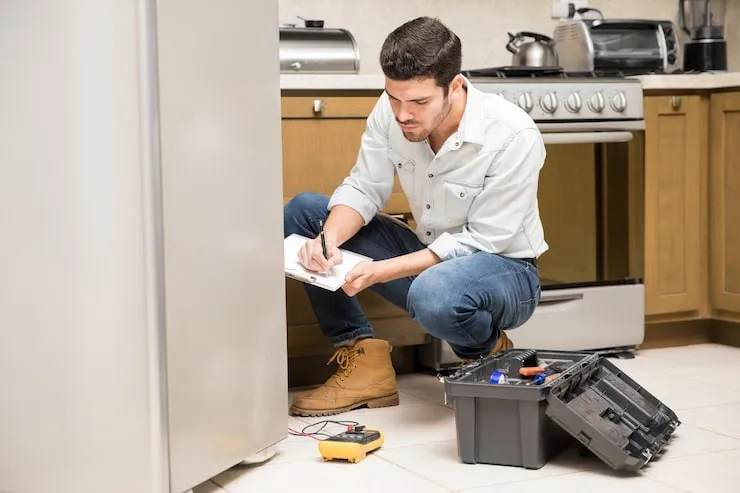
Think of preventive maintenance like brushing your teeth. You don't wait for an infection; you take care of them now to avoid painful fixes later. For any machine, it's the basic stuff you do regularlyoil changes, cleaning, tightening bolts, checking batteriesthat keeps trouble away.
Waiting for things to break costs way moreboth money and hassle. Preventive maintenance helps equipment last, run better, and keep you on schedule.
- Cuts down on unexpected breakdowns
- Makes repairs faster and cheaper when they happen
- Boosts the value if you ever sell the equipment
What Are the Best Maintenance Habits?
Here comes the no-BS version: Good maintenance isn't about expensive tools or fancy apps. It's the simple routines you stick with.
- Check manufacturer's guidelinesmost of us ignore these, but they're gold
- Keep a log (even if it's just a notebook)track oil changes, filter swaps, and weird noises
- Inspect equipment regularlylook, listen, smell. If it sounds or smells off, don't ignore it
- Deal with issues earlysmall clunks become huge headaches when you let them go
- Don't skip the cleaningdust, grease, and gunk will cut equipment lifespan fast
Truth: The first time you try keeping a maintenance log, you'll forget. That's normal. Set phone reminders or leave sticky notes. The habits pay off big later.
What Kills Equipment Lifespan the Fastest?
It's often not old age but how you treat your stuff. The top lifespan killers:
- Ignoring weird sounds or leaks
- Skipping scheduled care because you're "too busy"
- Using gear for jobs it wasn't meant for
- Cheap, off-brand parts that save a few bucks up front but cost more later
When you don't notice the small stuff, you set yourself up for breakdownsusually at the worst time possible.
Can Asset Management Help You Stay on Track?
Asset management means keeping track of what you own, when you bought it, and what needs doing. It's not just big companieshomeowners and solo business owners can use it too. A simple spreadsheet or a free reminder app is usually enough.
- Add every major item: model, year, serial number
- Set reminders for check-ups (oil, filters, cleaning)
- Note repairs and replacementswhen and why
You'll look like a genius when you remember what you fixed, avoid doubling up on parts, and spot patterns before they get expensive.
What's the Deal with Reliability Engineering?
You don't have to be an engineer to copy what reliability experts do. Their main job? Make sure things don't quit when you need them most. You can do this in a smaller way by asking:
- What usually goes wrong first with this machine?
- How can I catch those problems sooner?
- Are there better parts or upgrades worth trying?
Learning from othersforums, discussion boards, or even your gutsy uncle who's kept the same truck for thirty yearscan help you pick up these tricks.
Easy Wins: Steps For More Reliable Equipment
- Use quality parts (skimping usually backfires)
- Give things a breakdon't run them non-stop if they're not built for it
- Teach everyone who uses your gear how to spot issues
- Don't let "temporary fixes" become permanent
A little effort up front saves heaps down the road. The best tools and machines I own outlasted the specs, thanks to being stubborn about care.
Most-Asked FAQ About Asset Longevity & Preventive Maintenance
- How do I know if I'm doing enough preventive maintenance?
If you're catching little problems before they turn huge and things rarely break down, you're on the right track. Listen to your equipmentunusual sounds or slow starts are warning signs that your routine might need a tweak. - Does expensive equipment always last longer?
Not always. Sometimes pricier gear is built better, but without regular care, even top brands will fail early. Regular, simple preventive maintenance matters more than the name on the machine. - What's the easiest way to start an asset management system at home?
Start with a notebook or basic spreadsheet. List each big item you own, its make, model, and when you bought it. Set reminders on your phone for oil changes, filter swaps, or deep cleans. Thats plenty for most people. - How often should I check my stuff for issues?
For things you use a lotlike cars or kitchen appliancescheck them once a month. For less-used equipment, at least once every few months. The key is to be consistent, so you catch wear or small issues before theres real damage. - Can I skip scheduled maintenance if everything seems fine?
Its tempting but risky. Small problems often hide until they get worse. Scheduled maintenance helps you spot issues earlyeven if things look or sound okay right now. Skipping it is one of the fastest ways to shorten equipment life. - Is there any way to make old equipment more reliable?
Yes! Start with a deep clean so you can spot issues. Replace worn parts with quality ones, tighten loose connections, and follow a regular care routine. Even old gear can surprise you with how long it lasts if you give it the attention it needs.
The Bottom Line
Want your stuff to last? Give it regular attention. Preventive maintenance and simple habits beat big repairs every time. Dont stress if you forgot a few things in the paststart now. Your wallet (and your sanity) will thank you, one smoothly-running machine at a time.