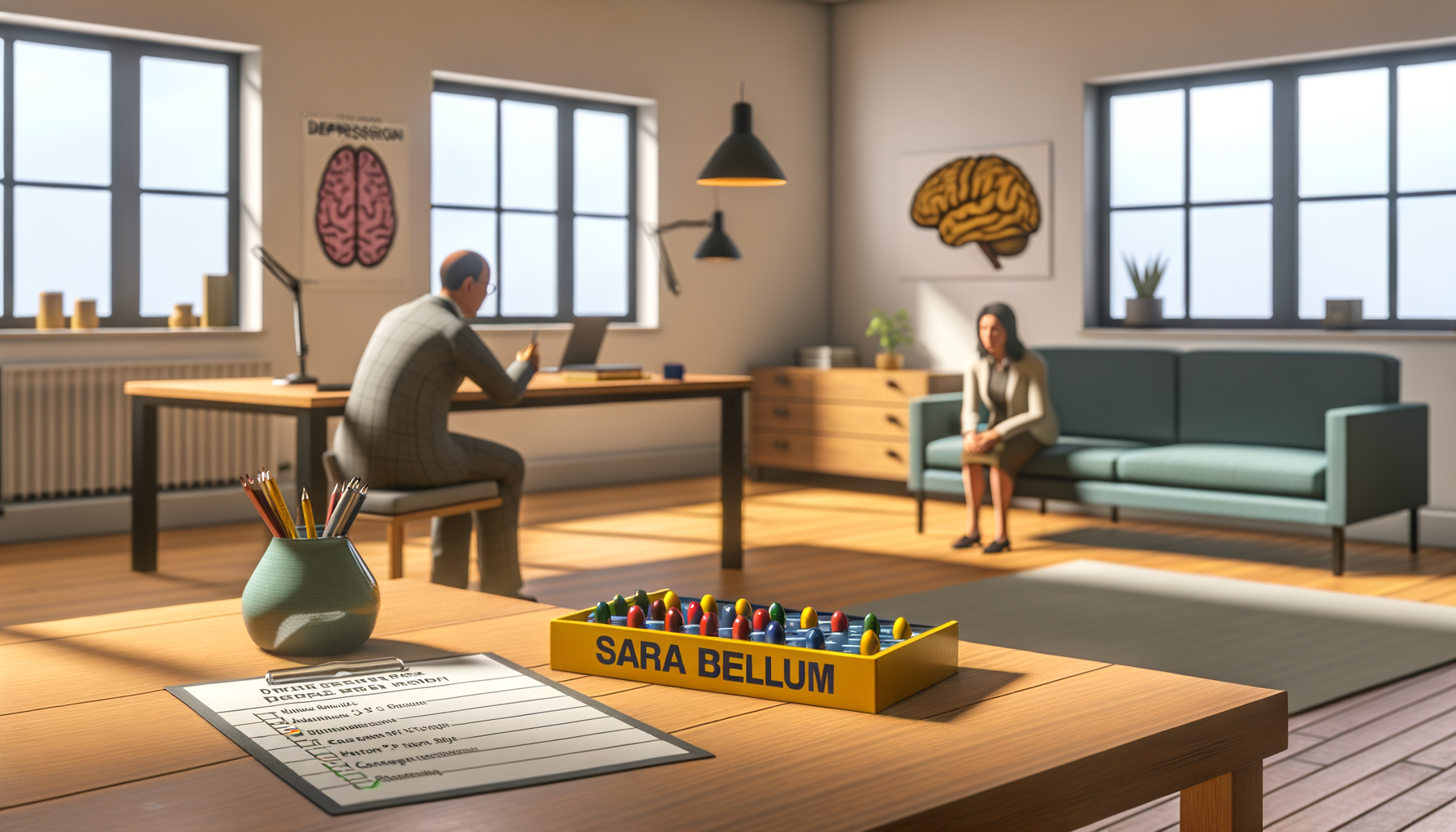
Why Getting Diagnosed for Depression Isnt as Simple as Youd Think
Ever wonder why figuring out if you have depression isnt like taking a blood test or scanning your brain? Youre not alone. Learning how depression is diagnosed can feel confusing, maybe even intimidating. Heres the good news: you dont have to guess or Google-spiral all night. Well walk you through exactly what happens, what doctors look for, and how you can find answers that helpnot stress you out more.
What Are the First Signs Doctors Look For?
Doctors and therapists start by listening. They want to hear your storywhats changed, what feels hard, and how long its been going on. The big signs? Feeling down or hopeless most of the day, losing interest in things you usually like, and changes in sleep, appetite, or energy. Its not about one bad week; theyre looking for patterns that last at least two weeks. If your mood feels heavy or youve pulled back from life, thats a signal they notice.
- Sadness that sticks around
- Not enjoying things you used to love
- Sleeping too much or not at all
- Eating way more or way less than normal
- Feeling guilty, worthless, or hopeless
- Trouble focusing or making decisions
- Low energy every day
- Thoughts youd be better off gone
These arent just random symptomstheyre part of standard diagnostic criteria for depression that pros use everywhere.
How Do Pros Actually Diagnose Depression?
Heres where it gets practical. Theres no X-ray for depression, but there is a depression diagnosis process. It usually involves these steps:
- Conversation. Expect lots of questions about your mood, daily life, and history.
- Questionnaires. You may fill out forms that ask about your symptoms, energy, or motivation.
- Medical check. Sometimes, youll get blood work or a physical to rule out sleep issues, thyroid problems, or vitamin shortages.
Theyre not trying to make you feel judged or poked at. They want a full picture so you actually get help that works. This process is called a mental health evaluation. Its meant to be honest, not scary.
What Happens During a Mental Health Evaluation?
The idea of sitting down with a stranger to talk feelings can feel awkward. Real talk: most people are nervous, and thats normal. A mental health evaluation is a conversation, not an interrogation. It covers:
- How youve been feeling (good, bad, numb)
- Your relationships, work, and school
- Physical issues that might connect to mood changes
- Your familys history with mental health
Its more about connecting the dots than grilling you for the 'right' answers. If you forget something, its okay. The person evaluating you is there to spot patterns, not catch you in a lie. And if sharing feels tough? Say sobeing honest is part of the process.
Whats Behind All Those Questions?
Ever notice how the questions might sound repetitive? Theres a reason. Depression can show up in all sorts of ways. Maybe youre sleeping too much, or maybe not at all. Some lose weight, others gain. Its all depression, but the signs are different. Thats why the depression assessment methods cover everythingso nothing gets missed.
- Questionnaires measure how intense your feelings are
- Checklists help see patterns: Are symptoms there most days?
- Physical checks rule out medical stuff, like thyroid changes
All these pieces work together to build your story, not just a list of issues.
What Mistakes Happen During Diagnosis?
No systems perfect. Heres where trouble can sneak in:
- Under-sharing (not telling your full story can throw off the process)
- Doctors missing medical causes (sometimes low energy isnt depressionit could be sleep apnea or hormones)
- Stigma and shame (if you downplay feelings, doctors might miss the severity)
- Overlooking other mental health issues like anxiety or trauma
If any of this sounds familiar, know that its normal. Getting an accurate answer is a team effort, and youre a key part of it.
How Can You Prepare for a Depression Screening?
If youre planning to talk to your doctor or therapist, a little prep goes a long way:
- Jot down whats changed: mood, sleep, eating, focus
- Track how long symptoms have lasted
- Be honest, even if its awkward
- Write out questions you want answered
If you forget, dont stress. The pro will help guide you. Remember: the more open you are, the better the help youll get.
What Happens After Diagnosis?
Lets say you hear you have depression. What now? First, breathe. Its not your fault, and youre far from alone. A diagnosis means you (and your care team) can start building a plantherapy, maybe medication, lifestyle shifts, small support steps. And remember, nothing in this process is permanent; mental health can and does improve with care and time.
Key Takeaways: What You Need to Know
- Depression diagnosis isnt one-size-fits-allits personal
- Doctors use guidelines, questions, and real talk, not magic
- Your honest story is the most important clue
- Preparation helps, but you dont need to be perfect
- A diagnosis opens doors to helpnot labels you for life
FAQs About How Depression Is Diagnosed
- Can you self-diagnose depression?
Its common to search up symptoms online and wonder if you have depression. You might recognize a pattern, but a real diagnosis comes from a pro who checks for all possible causes. Self-diagnosis can miss medical stuff or other mental health issues, so its worth talking to someone trained. - Whats the difference between feeling sad and being depressed?
Sadness is something everyone feels, like after a tough breakup or losing a pet. Depression sticks around for weeks, affects your ability to do daily stuff, and usually comes with changes in sleep, eating, or self-worth. If its not letting up or gets in the way of your life, its more than just sad. - How long does a depression diagnosis take?
Diagnosing depression usually takes one or two appointments. Sometimes its quicker, sometimes longer if doctors need to run medical tests or get more info from you. They try to move fast so you arent left wondering. - Do you need blood tests or a brain scan for depression?
Nope, theres no blood test that proves you have depression. Doctors might do blood work or a physical to rule out things like low iron or thyroid issues, but depression itself is diagnosed through questions and conversations. - Can depression look different in teens or kids?
Yes. Teens might act irritable or angry instead of just sad. Kids could seem clingy or complain about feeling sick. The signs can look different depending on age, but the evaluation process still uses the same main points: changes in mood, energy, and habits. - What if your doctor says you dont have depression but you still feel off?
If youre still struggling, keep talking. Maybe its another mental health issue, stress, or a medical problem. Its okay to ask for a second check or talk to someone else. Trust your gutyou know yourself best.