Ever looked at your trash after a week and thought, How is there this much stuff? Or maybe you've wanted to do more for the planet but felt like every "green" solution costs twice as much. That's where an eco friendly lifestyle comes inmaking everyday choices that are good for the Earth, and your wallet, without stressing out.
What Does Living Eco Friendly Really Mean?
It isn't about perfection. An eco friendly lifestyle means making small, smart swaps that lower your impact on the planet. Think of it like using less, wasting less, and buying smarter. You don't need solar panels on your roof tomorrow. Start with what works for you, where you are now.
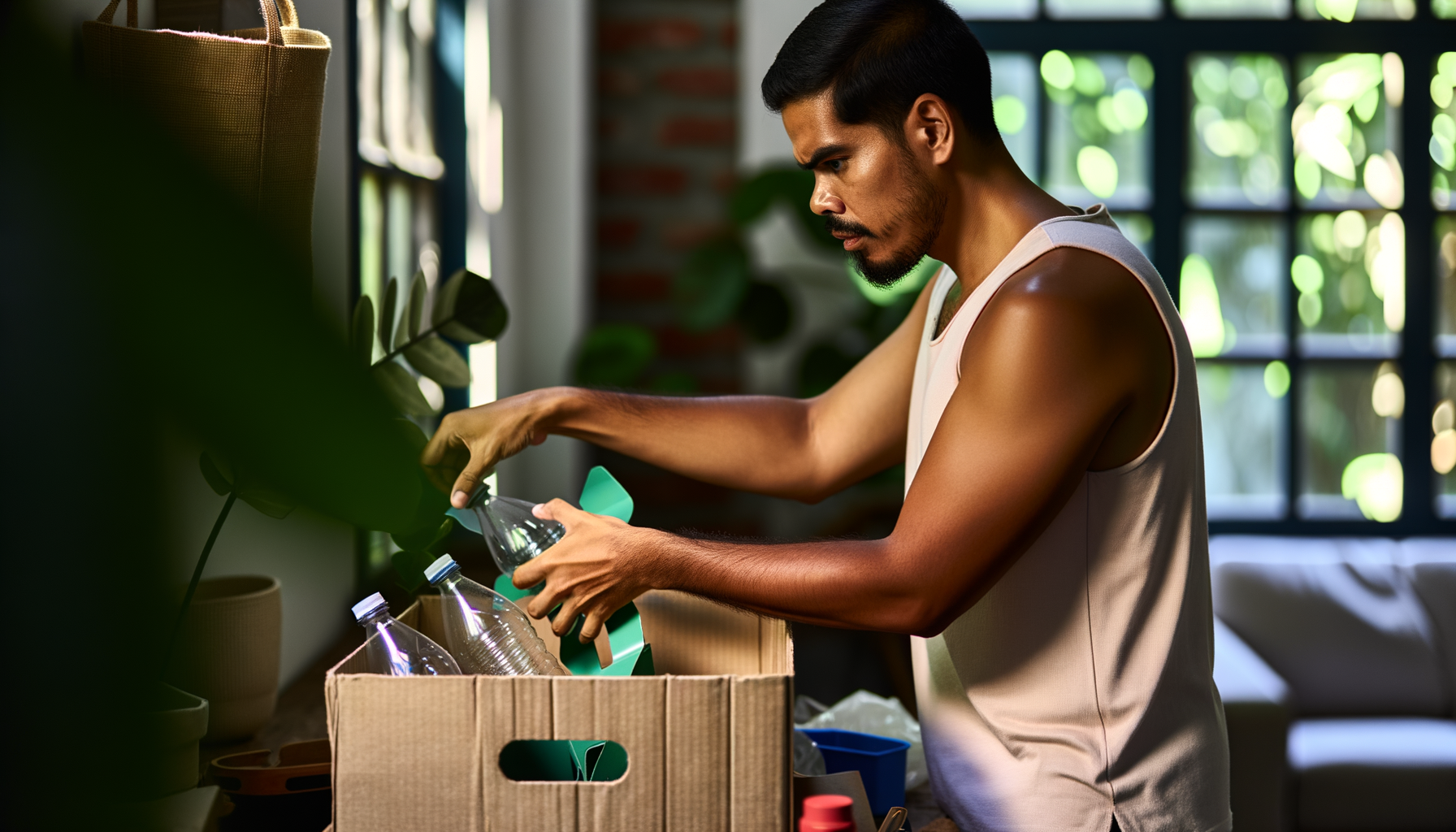
- Use less single-use stuff. Carry a bag and bottle so you're not tossing plastic daily.
- Pick products that last longer, even if they're pricier upfrontshoes, kitchen gear, jackets.
- Eat more plants and less meat when you can. It's easier on the environment and often your grocery bill.
The point? Every little step counts. None of us is saving the whole world alone, but a lot of us taking easy wins makes a real dent.
Is Eco Friendly Living Expensive (Or Not)?
This is the big question people askwon't this cost a fortune? Good news: You don't have to shop at fancy organic stores or buy $20 reusable straws to be green. Actually, many eco friendly habits are budget eco living hacks in disguise.
- Borrow instead of buyinglibrary books, tools from neighbors, clothes for special occasions.
- Fix stuff. Patching jeans or tightening a wobbly chair saves money and keeps things out of landfills.
- Shop secondhand. Thrift stores are treasures for clothes, kitchen supplies, and even bikes.
- Batch cook and freeze mealsreduces both food waste and energy bills.
The catch: It's easy to get sucked into buying "eco" products you don't need. Just because it's green doesn't mean it's a good use of your money. Keep it simple. Look for lasting changes, not shiny stuff.
Zero Waste Tips that Anyone Can Try
Zero waste sounds intimidating, but it just means cutting down trash where you can. It's not about fitting a year's worth of garbage in a jar. Try these easy steps:
- Bring your own bags, cups, and containers when out.
- Use up what you have before buying refills or refills.
- Compost food scrapsbanana peels, coffee grounds, eggshells.
- Buy in bulk to reduce packaging waste (start with dry beans, rice, or nuts).
- Say no to freebies you'll never use (pens, tiny sample bottles, etc.).
The first time I tried zero waste shopping, I forgot my bags and felt like a rookie. It happens. Soon, it becomes second nature and the trash can fills up slower. That's a win for both your wallet and the planet.
How to Build Affordable Green Habits at Home
You don't need a remodelstart with what you use daily. Building sustainable living routines is about easy, repeatable actions that save resources.
- Shorten your showers by two minutes. You save water, energy, and time.
- Unplug unused chargers and devicesphantom power adds up on your bill.
- Laundry tip: Wash clothes in cold water and hang dry (better for both clothes and energy use).
- Let the sun inopen blinds for free heat and light during the day, close them at night to keep warmth in.
- Switch light bulbs to LEDs; they last way longer and sip power.
If you forget sometimes, that's normal. Start again tomorrow. Small habits snowball into big savings over a year.
Choosing Environmentally Friendly Options Without Overthinking
It's easy to get decision fatigue when trying to do the "right" thing for the environment. You want to pick options that matter, without going down a research rabbit hole every time you shop.
- Buy less, choose wellask yourself if you actually need it before you buy.
- Trust simple swapslike bar soap instead of packaged liquid soap, or a multipurpose cleaner instead of ten bottles.
- Support local when you canlocal veggies, local repairs, local brands.
No one gets it right every time. If you slip up and grab fast food or buy disposable plates for a party, it's fine. Eco friendly living is not all-or-nothing. Start where you are, do what you can, and keep moving forward.
Troubleshooting Common Eco Lifestyle Roadblocks
If everyone could just snap their fingers and swap to a sustainable living routine, we'd all do it. Real talk: Sometimes the changes feel awkward, time-consuming, or you feel judged for doing things differently.
- Friends tease you for BYO containers? Laugh it offyou're saving money and trash.
- No curbside compost? Try a small indoor bin for food scraps and take it to a farmer's market.
- Replacing worn-out stuff with "green" versions too pricey? Secondhand or mending is still eco friendly.
- Feel like your single swaps don't matter? They dothe more people join in, the bigger the effect.
The secret is: Don't let perfect ruin good. Do what fits your life, celebrate wins, and shrug off the rest.
Wrapping Up: Your Eco Journey Starts Today, Not Someday
Eco friendly living isn't a one-time choice. It's a bunch of little changesshop smarter, waste less, use what you have. Think of it as a lifestyle that benefits your bank account and the planet. You don't have to wait for the perfect moment or the fanciest product. Pick one habit this week, try it, and see what happens. You'll be surprised how much easier it gets, and how good it feels knowing you're doing something that matters.
FAQs: Real-World Answers About Affordable Eco Friendly Living
-
Is it possible to have a sustainable living routine on a tight budget?
Yes! In fact, many sustainable living habits are money savers. Cooking at home, using less stuff, buying secondhand, and cutting down energy use all cost less than the "normal" way. Don't fall for the myth that eco choices need to be expensive. -
What are easy zero waste tips for beginners?
Start by bringing your own bag and bottle. Use up things before buying more. Try composting food scraps or shopping in bulk if you can. There's no need to be perfectevery bit helps reduce waste. -
Are green products better than regular ones?
Sometimes, but not always. Lots of "green" stuff is just marketing. Buy less, choose things that last, and don't toss the old for something new unless you need it. Sometimes reusing or fixing beats buying the newest eco alternative. -
How can I find environmentally friendly choices when shopping?
Look for simple thingsless packaging, durability, or items you can use many ways. Ask yourself if you truly need it and if you'll use it often. Supporting local sellers also cuts down on shipping and waste. -
What if my family isn't on board with an eco friendly lifestyle?
That's normal! Start smallmaybe cook a veggie meal once a week or recycle together. As you make simple changes that save money or time, others often join in. No one needs to be perfect from the start. -
What are affordable green habits people forget?
Turning off lights, unplugging unused devices, washing in cold water, and using public transport or biking save money and energy. Small, daily changes make a bigger difference than rare big actions.