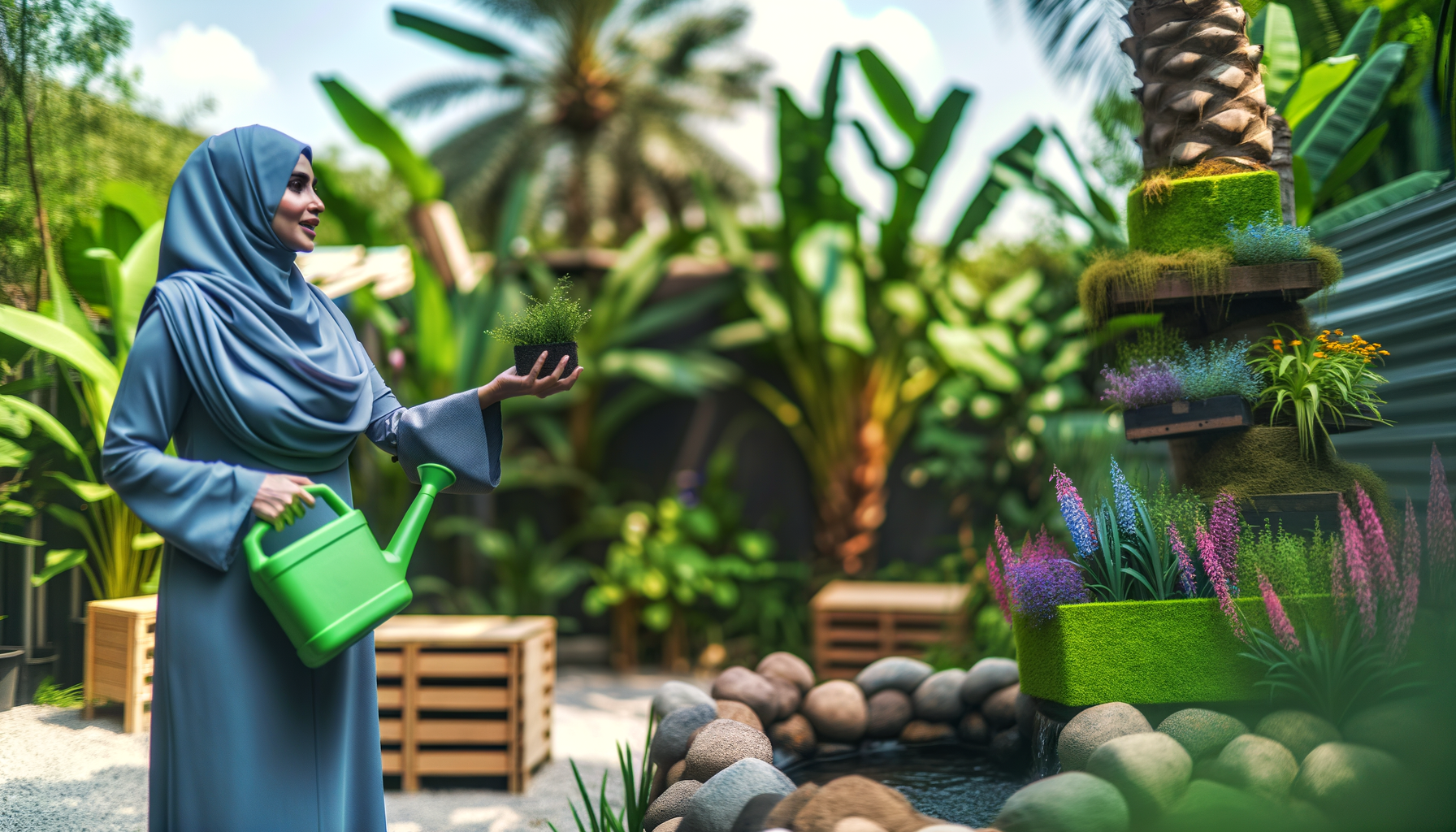
You want a green, thriving yard without burning through money or time. But every plant you pick seems to die, and the idea of sustainable garden design sounds overwhelming or expensive. The truth? Getting gorgeous, eco-friendly gardening right doesn't have to be a mysteryor a chore. Here are the secrets pro garden designers actually use to make lush spaces that don't ruin your weekends or the planet.
Why Do Sustainable Gardens MatterAnd Are They Worth the Hype?
Sustainable garden design means using what you have, working with nature instead of against it, and making choices that stick around. That matters for your wallet and for the environment. A well-designed sustainable garden saves water, supports birds and pollinators, and looks amazing all yearusually with less work.
- Less watering and mowing (goodbye high bills)
- Healthier soil and fewer chemicals
- More bees, butterflies, and birds to watch
- Less hauling stuff in or out
I tried going all native plants once and panicked when my yard looked like a wild forest for two months. Lesson learned: sustainable doesn't mean you give up pretty or order, it means you choose plants and layouts that work long term.
What Makes a Garden 'Sustainable', Anyway?
This isn't just about solar panels and rain barrels (though those help). Sustainable landscaping focuses on plants that match your local climate, clever use of water, and designs that need less care or chemicals. Designers think about sunlight, soil, and maintenance before planting a thing.
- Use sustainable garden design principlesgroup plants with similar water needs together
- Pick native or well-adapted plants (they survive longer and need less attention)
- Mulch to keep soil healthy and reduce weeds
- Plan paths and seating so you actually use your yard
Sounds tricky, but it's as simple as reading the sun in your yard for a week and noticing which spots bake and which stay shady. Start there.
How Do Professionals Pick Plants That Last?
Most of us grab whatever looks pretty at the nursery. Pros, though, always check if a plant is native, drought-tolerant, or at least suited for your climate. They'll ask: Will deer eat this? Does it need spraying? Can it handle a few missed waterings?
Pro tip: Mix things up. A combo of grasses, perennials, and shrubs usually handles weather swings way better than all one thing. If you want green garden tips that work, think variety and skip the bare mulch patchesnature doesn't leave soil naked. Cover for looks and for soil health.
What About Saving Water? (And Money?)
If watering feels like a full-time job, it's time for sustainable choices. Try these easy ideas:
- Swap thirsty lawn for native grass or clover blendsless mowing, way less water
- Water early or late, not midday (your plants will actually get a drink)
- Install soaker hoses or drip lines instead of spray heads
- Collect rain in a barrel if you're in a place that allows it
- Ditch delicate annual flowers for perennials that don't wilt with skipped water
The first year you might have to pamper new plants, but after that, your water bill can drop fast.
How Can You Make a Garden Low Maintenance?
Everyone loves the look of those wild, blooming spaces but nobody wants to be pulling weeds every weekend. Heres how garden designers create low maintenance gardens without making them boring or messy:
- Use ground covers instead of bare mulchsweet woodruff, creeping thyme, or even strawberries
- Plant densely: less open soil means fewer weeds
- Pick slow-growing shrubs that dont need constant trimming
- Lay out clear edges with stone or recycled brick to keep things tidy
- Choose hardy plants so you can actually relax instead of always replanting
Its fine to have one or two spots for annual color, but let most of your space be tough and self-sufficient. Thats the real secret. There will always be a little weeding, but if you plan well, your garden wont overwhelm you.
Do You Have to Go 100% Organic to Be Sustainable?
Not at all. Organic garden design means skipping chemical fertilizers and sprays as much as you can. Start with compost (even a small pile helps), use mulch to build soil, and only add what the plant needs. Sometimes, tough weeds or bugs need extra help. Thats okayjust keep big, regular chemical use to a minimum.
Many garden designers will use soil tests to check what your yard needs. That way, youre not dumping fertilizer and hoping for the best. You give your plants exactly what supports themnothing wasted, nothing extra.
How Do Designers Tackle Tricky Spots?
Every yard has that patch: pure shade, soggy corner, dead zone by the fence. Sustainable garden design actually thrives on spots like these because its all about picking the right plant for right place. For shady spots, go big with ferns, hostas, or native woodland wildflowers. Soggy spot? Try sedges or swamp milkweed. Got dry, rocky ground? Look for prairie flowers or tough Mediterranean herbs.
Youll save money (and frustration) by matching your plant to the challenge, not fighting it year after year.
What Mistakes Should Beginners Avoid?
- Packing in too many plants and not thinking about size at maturity
- Ignoring sun/shade patterns (dont trust the plant label alonewatch your yard!)
- Planting thirsty species in dry zones or vice versa
- Leaving big patches of bare dirt (hello, weeds)
- Skipping mulch or letting grass creep into beds
Starting small, being patient, and actually reading your space beats any expert tip every time. Your garden changes with you.
How Do You Make a Garden Look Good All Year?
Sustainable gardens can look awesome in every season if you plan for layers: evergreens for winter, bulbs for spring, perennials that bloom in summer, and shrubs with fall color or berries for wildlife. Blend tall and short plants, mix in some unexpected color or texture, and let the garden grow into its beauty.
- Winter: conifers and grasses that stand tall when everything else fades
- Spring: bulbs under shrubs, early-blooming perennials
- Summer: big-bloom perennials, annuals here and there
- Fall: switchgrass, goldenrod, and berry shrubs
Pro designers think about structurewhere your eye goeseven more than about flowers alone. A twisty trunk, striking leaf, or interesting boulder does more than a massive rose bed ever could.
Quick Wins: Simple Steps to Get Started Now
- Take a week to watch where sun and shade hit in your yard
- Make a list of plants that survived in your neighbor's yardresearch if they're native or just tough
- Cover bare soil with mulch or a ground cover, stat
- Replace one water-hogging area with something native
- Set up one drip line or soaker hose
Even small changes can kickstart your new, sustainable landscaping style.
FAQs
- What's the easiest way to start an eco-friendly garden?
The simplest first step is to plant a few native species and mulch around them to keep moisture in and weeds out. Native plants already know how to handle your local climate, so they need less watering and fussing from you. Over time, you can swap out more lawn and add in layers for a healthier garden. - How can I keep my sustainable garden looking tidy?
Use clear edges like stone borders or mowed strips around your beds. Pick slow-growing shrubs and keep ground covers dense to block weeds. Tidy gardens still use organic methodsjust plan a little extra time at first to set up strong edges so maintenance is much lower later. - Are there budget-friendly ways to try sustainable landscaping?
Yes, you can swap plants with neighbors, start seeds instead of buying big plants, and use freemulch from tree trimmers or municipal sites. Focus on one section at a time instead of redoing everything at once, and always look for tough plants proven to grow locally. - What are good drought-tolerant plants for beginners?
Some easy options: lavender, yarrow, black-eyed Susan, sedum, and ornamental grasses. These plants handle scorching summers with little water and bounce back after dry spells. Ask for more ideas at local garden centersthey know what actually works nearby. - Can I have a veggie patch in a sustainable garden?
Definitely. Mix veggie beds with flowers and herbs to attract pollinators and keep bugs in check. Use rich compost instead of chemical fertilizers and rotate crops each year so the soil stays healthy. Even a small raised bed can be productive and eco-friendly if you follow these tips. - What's the best mulch for organic garden design?
Shredded bark, chopped leaves, or compost all make great mulch. They hold moisture, feed the soil as they break down, and keep weeds low. Skip plastic sheets or stones if you're aiming for truly organic, sustainable gardening.
A lush, sustainable garden isn't rocket science. Start small, pick a few local plants, and pay attention to your space. You'll learn fast, and so will your garden. Give yourself (and your plants) timenature rewards patience.