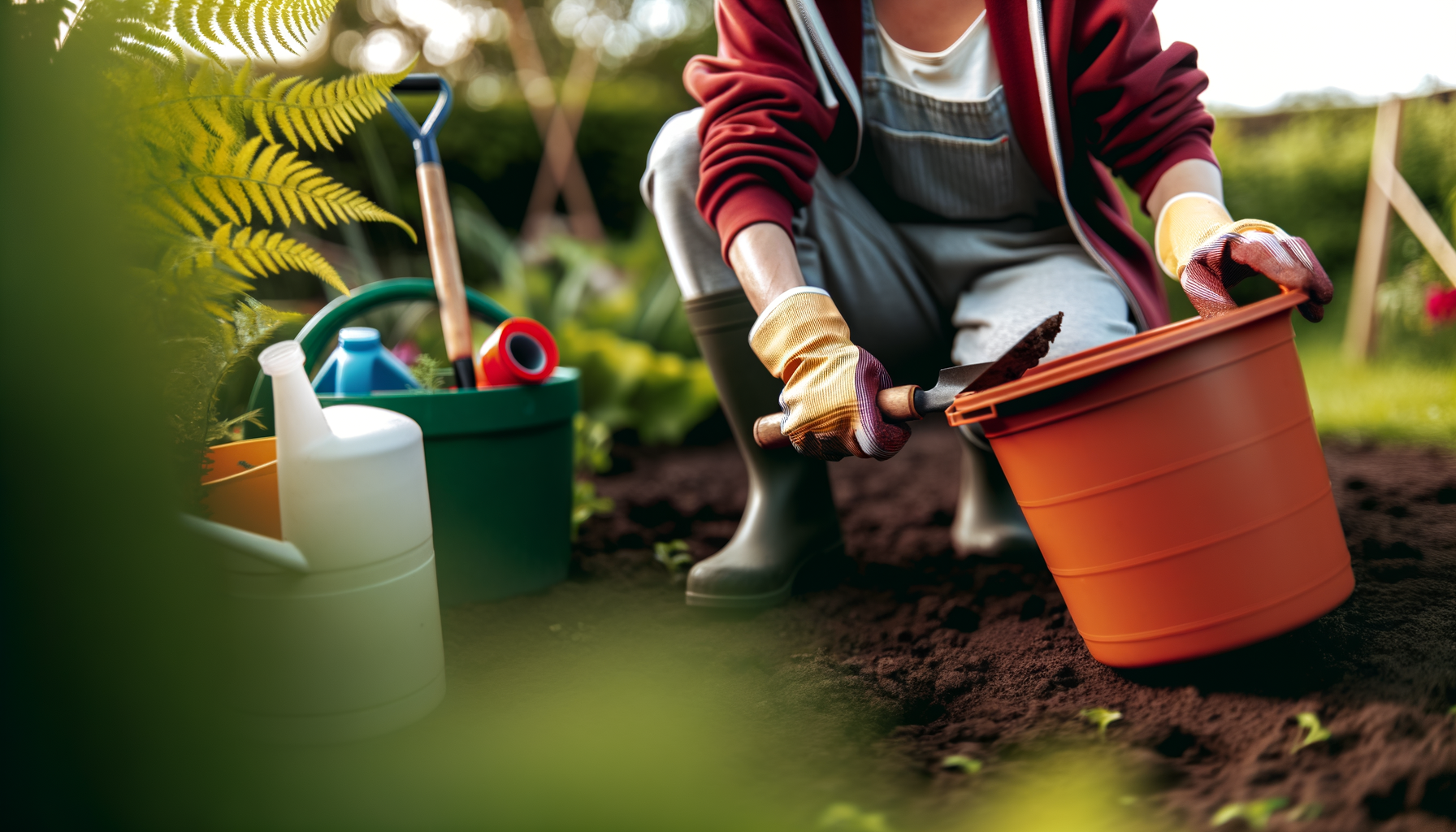
Starting a garden sounds easy, until you hit the store and realize there are way too many gardening gadgets. Does a first-timer need them all? Nope. A simple garden supplies list is all you need to get going, without the overwhelm or spending a fortune. Let's walk through what really matters when you want to start growing thingswhether that's tomatoes, sunflowers, or just some fresh herbs for dinner.
What are the absolute must-haves for a beginner garden?
If you walk into a garden center, you'll see aisles of shiny tools. Don't freak out. You don't need them all. Heres what goes on the real beginner gardening supplies list:
- Gloves: Protects your hands from thorns, dirt, and surprise worms. Go comfy, not fancy.
- Trowel: Think of it like a tiny shovel for digging small holes.
- Hand rake or cultivator: Helps you break up soil and uproot weeds fast.
- Watering can or hose: Whatever is easier for your spacejust make sure you can reach all your plants.
- Pruning shears: For trimming back plants, especially when stuff starts getting wild.
- Garden fork: The best tool for turning and mixing up soil in small spaces.
- Bucket or trug: Makes it easy to carry tools, weeds, or even your harvest.
You dont need a fancy kit. Each essential gardening tool here is tried and true. A secret? Most old-school gardeners use the same basics, season after season.
Do you need specialized tools in your starter kit?
Theres lots of talk about garden starter kitssome come loaded with more tools than youll ever actually use. Heres how to decide whats worth it vs. whatll gather dust in the shed:
- Start small. Add items only when you run into a problem the basics cant solve.
- Test out a kit bundled with the bare minimumextra gadgets can wait until you know what you like to grow.
- If your soil is rocky or tough, swap that hand trowel for a full-sized shovel.
- Raised beds? You might want a longer hoe to mix things up without bending too much.
The goal: dont let unused tools fill up your garage. Youll figure out your own favorites as you go.
What kind of soil and containers do you need?
You cant plant anything without dirtbut not all soil is equal. Heres how to keep it simple:
- Bagged potting mix is perfect for containers and raised beds. Its clean and ready to use right away.
- If youre planting in the ground, add some compost to boost nutrition. You dont have to make your ownstore-bought is fine.
- Containers matter too: start with basic terra cotta or plastic pots, and make sure theres a hole for drainage.
- Dont spend big on fancy planters unless you want to show them off.
Making your own compost can save you money, but it takes time. If youre impatient? Store-bought does the job until you find your groove.
How do you pick seeds or plants for your first garden?
The garden supplies list is set, now for the fun part: what to grow. Dont get carried awaystart with 2-3 kinds of plants. Heres what works:
- Herbs like basil, mint, and parsleyeasy and can go on a windowsill.
- Leafy greensspinach, lettuce, and kale are fast-growing and forgiving.
- Cherry tomatoesthey handle mistakes better than big ones.
- Marigolds or sunflowerstough, colorful, and good for pollinators.
Grab starter plants if seeds stress you out. Its totally normal to mix both as a beginner.
How do you avoid common gardening mistakes as a beginner?
Everyone messes up. It happens. Heres what most newbies get wrong (so you dont have to):
- Overwatering or underwateringplants hate extremes. Stick your finger in the soil: if its dry an inch down, add water.
- Planting too earlywait until the last frost in your area, or everything might die overnight.
- Bad placementsun-loving plants need full sun, not a shady corner. Check those seed packets!
- Buying too muchstart with a small patch or a few pots, not half the store.
Dont let mistakes scare you. Every gardener has lost a plant or two. Youll learn what works in your space.
What's a simple garden care routine for beginners?
Caring for your garden doesnt need to be a full-time job. Heres a basic routine:
- Water regularly, preferably early in the day so leaves dry out (less chance for disease).
- Check for bugs and weeds a few times a week; pick them off as soon as you notice.
- Feed your plants every month with some all-purpose fertilizer or liquid plant food.
- Prune and harvest oftenplants actually grow more when trimmed.
If you miss a day, dont stress. Plants are pretty forgiving, especially if you stick to the basics.
Is gardening expensive? How can you save money?
You dont have to spend much. Heres how to keep costs down without skipping on gardening essentials:
- Borrow tools from neighbors or join a local tool library.
- Use kitchen scraps to start seedsthink egg cartons, yogurt cups, or even toilet paper rolls.
- Start small to avoid wasted money and unused supplies.
- Buy plants on sale at the end of the season or swap with friends.
Bargain stores often carry pots, gloves, and hand tools for a steal. You dont need designer labels in the dirt.
FAQs about garden supplies and starting out
- What are garden essentials for total beginners?
Start with gloves, a trowel, a hand rake, a watering can, pruning shears, and some good potting soil. That covers most tasks for a new garden. - Do I need a garden starter kit or should I buy items separately?
Kits are handy but not required. Sometimes you pay for extras you won't use. Picking out basic garden equipment one by one means you get what you needand nothing more. - Are cheap gardening tools worth it?
Surprisingly, yes for most beginners. You don't need pro-quality until you know what you use most. Start budget-friendly, then upgrade if you get hooked. - How do I know if my soil is good?
Grab a bag of trusted potting mix if you're using containers. For in-ground: dig a small holeif the soil crumbles and holds moisture, you're set. If it's super hard or drains too fast, add compost. - How much time do I really need to garden each week?
If you start small, 15-20 minutes a few times a week is plenty. Water, check for bugs, and pick weeds on the fly. Your garden shouldn't feel like a second job. - Can I start a garden if I have no yard?
Absolutely. Use containers or window boxes on a balcony, porch, or even indoors by a sunny window. Herbs and salad greens grow great in tight spaces.
Ready to start? Gather the basics, pick a few plants, and dont stress about perfection. Your dream garden grows one small step at a time.