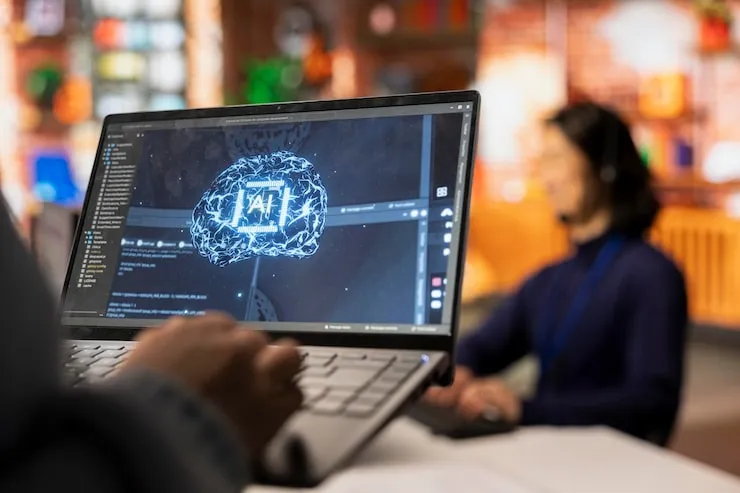
Let's talk about wasted energyliterally. Old pipes leaking heat, lights on in empty rooms, someone grumbling about their bill. It's easy to see why the energy sector needed a better way to run things. Enter intelligent automation in energy sector life. What does that look like for businesses and regular people? Everything from lights that know when you leave the room to entire electric grids balancing themselves on a busy day.
What is Intelligent Automation in the Energy Sector?
This isn't sci-fi. Intelligent automation combines smart computers, sensors, and software that makes decisions on its own. It doesn't just follow rules, it learns and adapts. In energy, we're talking about systems that control how power gets made, sent, and used. Think solar panels sending extra power back to the grid, or water treatment plants running with barely any humans around.
- Energy sector automation uses machines and software to do human tasks faster
- Automation in utilities means water, gas, and power companies rely less on people pushing buttons
- Smart energy solutions can mean thermostats that know your schedule or entire wind farms that talk to each other
Why Does the Energy Sector Even Need Automation?
Speed and accuracy. That's the honest answer. Energy mistakes aren't like typing the wrong email address. We're talking about power outages, wasted fuel, and huge bills. Heres what improved:
- Faster spotting and fixing of leaks or outages
- Safety for crew who dont have to check high voltage lines in storms
- Huge cost savings from energy efficiency through automation
- Happy customers who stop dealing with surprise bills
The first time crews let the software adjust water pressure remotely during a storm, they didn't believe it would work. It did. Now it's automatic. Less waiting, less risk.
How Do Utilities Use Automation Day to Day?
It's become so normal we barely notice it. Heres what real-world digital transformation in energy looks like:
- Streetlights that dim when no one's around
- Electric meters that email your usage so you dont have to read them
- Pumps that turn off if they sense a leak, then send an alert
- Solar panels sharing data with the grid to keep power balanced
One electric company switched on automation for their metershundreds of workers no longer had to walk routes in pouring rain. Smart systems do the checking, humans fix the problems flagged by computers.
Okay, But What Can Go Wrong with Energy Automation?
Nothing's perfectespecially new tech.
- Glitches happen: If a sensor breaks, the system might miss something
- People need new skills: Old-school engineers have to learn new software
- Security headaches: Hackers love targeting energy tech
- Not every fix is plug-and-play: Sometimes new tech won't talk to old equipment
Energy companies learned this the hard way. The first time a control room glitch shut down a whole section of the city, phones rang nonstop until they fixed it. Now, teams test new systems more carefully. Mistakes happen, but you get better the more you use it.
Does Automation Really Save Energy and Money?
Short answer: Yes, if you do it right. But don't expect overnight miracles. Here's what actually pays off:
- Automatic controls cutting wasteful habitslike lights staying on or pumps overrunning
- Spotting problems before they break, saving from bigger repairs
- Data-driven tweaks that keep systems running smoother month after month
Most companies see payback in a year or two. Regular people? Even smart thermostats can shave off a chunk of the bill. The trick is not to overcomplicate. Start small, add features as you get used to them.
Is All This Automation Good for Regular People?
For most of us, it means convenience. You come home, the heating is at just the right temp. Blackouts less frequent. Bills more predictable. But theres a learning curve. Its annoying when apps glitch or the new meter wont connect. Most folks figure it out faster than they thought, especially when it saves them time or money.
Whats Next for Smart Energy Solutions?
The future looks like every piece of the energy puzzle talking to each otherrooftop solar, electric cars, even your fridge. It sounds complicated, but with each step, things get easier and more reliable. Less waste, more savings. More control for you and me.
- Microgrids that power whole neighborhoods when the main grid struggles
- Home batteries storing cheap power overnight
- AI predicting usage so supply matches demand almost perfectly
The bottom line? Youll see more automation in your daily energy use, whether you notice or not. And if you put in the time to get comfortable with it, youll see the savings too.
FAQs About Intelligent Automation in the Energy Sector
- What is energy sector automation in simple words?
It's when energy companies use smart techlike computers and sensorsto do jobs that people used to do by hand. This tech can watch for problems, turn things on and off, and make life easier for both workers and customers. - How does automation make the energy sector safer?
Automation takes over risky jobs, like checking high-powered equipment or fixing issues during storms. This means fewer workers get hurt, and problems get fixed faster because the tech spots trouble right away. - Will automation in utilities mean people lose jobs?
Some old jobs go away, but new ones pop upmainly in tech and support. Workers need to learn new skills, but theres still lots of hands-on work. Most companies help staff train for new roles built around the smart systems. - How does intelligent automation help energy efficiency?
By making sure things run only when needed. For example, lights that turn off when you leave, or pumps that don't work overtime. This cuts down wasted power, which means lower bills and less stress on the whole power system. - Can regular people use smart energy solutions at home?
Yes! Things like smart thermostats, connected light switches, or even solar panels are all forms of automation. They can help you control your energy use, save money, and make life more comfortable without much effort. - What should I watch out for when using automation at home?
Sometimes tech can be buggyapps crash, devices disconnect, or updates mess things up. Stick to trusted brands, keep your devices updated, and start with simple setups. If you run into trouble, most companies have support ready to help.
Want to see savings in your bill and less stress dealing with outages? Start looking at automation options for your home or business. Take it step by step, and you'll start seeing results in no time.