Your house is supposed to be safe. But finding sawdust under the couch? Hearing strange clicking in the walls? That's nightmare materialespecially when termites are the culprits. If you've ever wondered why your neighbor's place seems untouched while yours is under attack, you're not alone. Termite control isn't just about killing bugsit's about protecting what matters and sleeping soundly again. Here's what termite exterminators want you to knowand doif you want a pest-free home.
What Makes Termites So Hard to Get Rid Of?
Termites aren't just another pest. They work around the clock, quietly chewing through wood, paper, and even drywall. The worst part? You often won't notice until they've done serious damage. These tiny bugs build hidden tunnels and stay out of sight, so regular sprays from the store rarely make a dent.
- They hide inside walls and floors, so you rarely see them.
- Colonies grow fastone queen can lay thousands of eggs daily.
- Termites eat almost non-stop, even overnight.
Real talk: By the time you spot obvious signs, they've usually moved in for good. That's why pros always stress early action.
How Do Termite Exterminators Actually Stop Them?
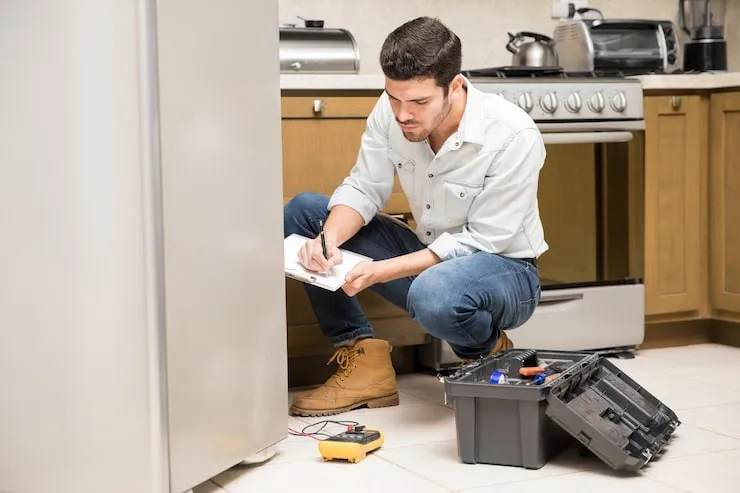
Termite exterminators bring way more than a spray bottle. They know the signs and have the tools to send termites packing. First, they check every inch of your home. They're looking for mud tubes, damaged wood, even the faint sounds of chewing. They might use moisture meters or thermal camerasstuff you won't find in a regular toolbox.
- Find the source: Not just where termites are, but how they're getting in.
- Choose the right treatment: This could be bait systems, barriers, or direct sprayssometimes all three.
- Check back regularly: One visit isn't enough. Good termite control means follow-ups and monitoring.
Trying to DIY a termite infestation usually means missing nests or eggs, and the bugs bounce right back. Trust us, we've seen it happen.
What's the Best Form of Termite Treatment?
There's no one-size-fits-all answer. That said, some methods stand out:
- Bait systems: Small stations bait termites, who carry poison back to the colony.
- Chemical barriers: Professionals dig trenches and apply product around your home's foundation, which keeps new termites away.
- Wood treatments: Special coatings protect wood from being chewed up.
Exterminators often use a mix because termites are stubborn. The key is hitting them everywhere they hideand keeping them out for good.
What Can You Do to Prevent Termites in the First Place?
Prevention beats treatment, every time. Even if your home seems fine, little mistakes or habits create termite openings. Heres what you can fix starting today:
- Store firewood away from the house. Dont stack it against your siding.
- Fix leakstermites love wood thats even a tiny bit wet.
- Make sure you dont have soil touching your siding.
- Clean out clogged gutters so water doesnt pool near your foundation.
- Seal up any cracks or gaps outside, especially where pipes and wires enter.
Think of these as yearly home chores, not just things to do if you spot a bug. Routine checks keep termites searching for weaker targetslike your neighbors, not yours.
How Do You Know If Termite Control Actually Worked?
So you hired termite exterminators, your house feels cleaner, and months go by with no signs. But is that it? Not quite. Termites are sneaky. You need ongoing checks to make sure they stay gone.
- Look for changes: Signs of termites coming backlike soft wood or new mud tubesmean its time to call your exterminator again.
- Stick to follow-ups: Good pest-free homes get professional inspections every year. Dont skip these, even if everything seems fine.
If you slip into old habitslike ignoring small leaks or skipping routine checkstermites can sneak back slowly. Stay vigilant and treat your home like it counts (because it does).
What Should You Expect to Pay for Termite Treatment?
This is the part nobody lovesthe bill. Prices swing a lot, depending on the size of your place, the method used, and how bad things are. Heres the honest truth:
- Quick inspections may start around $75 to $150.
- Full-home treatments can range from a few hundred to a couple thousand dollars.
- Bait systems (with regular monitoring) often come with monthly fees.
It feels like a lot, but compare it to fixing load-bearing beams or replacing walls after an infestation. Investing in termite control upfront keeps home repairsand headachesto a minimum.
Can Homeowners Do Their Own Pest Prevention?
A lot of people try the DIY route with mixed results. Heres when it worksand when it doesnt:
- It works if youre handling prevention (like sealing cracks and keeping things dry).
- It doesnt work if you already have termites. Store-bought sprays wont cut it for big colonies hidden in your walls.
Think of routine checks, moisture control, and quick repairs as your jobleave major termite treatment to the professionals.
What Happens If You Ignore Termites?
If you let termites stick around, they can eat away parts of your home quietly for years. Weve walked into houses where floorboards collapse, door frames crumble, or walls need full replacement. Insurance usually doesnt cover termite damage, either. Waiting makes it worse every time.
- Small problems get big fast. Colonies double, then triple, in size.
- Structural repairs cost more than most cars.
- Your home's value drops if there's past termite history or visible damage.
The bottom line: When you see a sign, act quickly. Delay is just an open invitation for more guestsones you can't see.
FAQ: Real Questions Homeowners Ask About Termite Control
- How often should I get my home inspected for termites?
Once a year is smart for most homes. If you live somewhere with lots of termites, consider twice a year. Inspections catch problems long before you see real damage. - Are termite treatments safe for pets and kids?
Most modern termite treatments are safe after they dry. Exterminators will tell you how long to stay away, but your family and pets can usually return in a few hours. - What are the earliest signs of a termite problem?
Keep an eye out for mud tubes (tiny tunnels near the foundation), discarded wings, hollow-sounding wood, and little mounds that look like sawdust. If you're not sure, get a pro to check. - Is home insurance ever helpful for termite damage?
Most policies don't cover it, sadly. That's why prevention is so importantinsurers call termite issues 'homeowner maintenance.' Treat early or pay a lot more fixing it later. - What's the difference between termites and ants?
Termites have straight antennae and thick waists, while ants usually have a narrow 'pinched' middle. Also, termite wings are all the same size. If you can't tell, save a sample for your exterminatorthey'll know right away. - How long does termite treatment usually last?
If you keep up with checks and any follow-up treatments, you can stay protected for several years. Some barriers last 5-10 years, but checking every year ensures nothing sneaks by.
Termite control isn't glamorous, but a pest-free home is worth it. Acting early saves your house, your wallet, and your peace of mind. Don't waitcheck now, fix what's easy, and call pros when it gets serious. You'll be glad you did.