


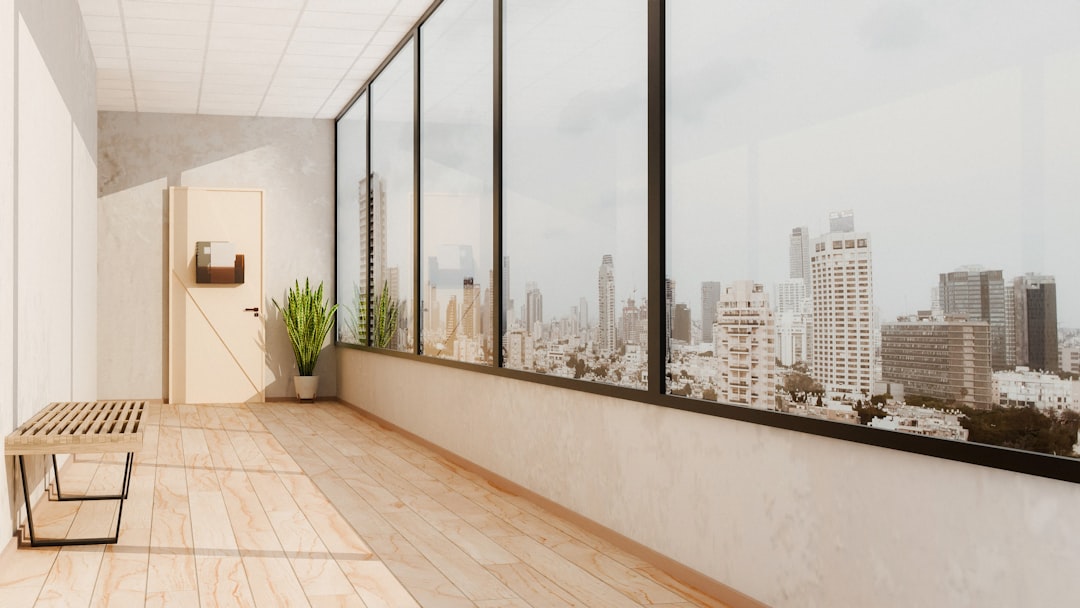
Ever walked into a room and just felt like everything clicked? That's not magicit's great floor planning. The top floor planning companies all have their own tricks, but some strategies show up over and over again no matter who you ask. Whether you're redoing a living room, planning a new office, or looking to squeeze every inch out of a city apartment, the right mix of logic and creativity can turn any space into your favorite place to be. Heres how the pros do it, what you can learn from them, and real talk about where most people go wrong.
Why Floor Planning Strategies Matter More Than You Think
Floor planning strategies aren't just for people who build houses. They're about making the best use of whatever space you have. Think of it like a puzzleevery piece needs to fit right so you can walk around, set your stuff down, and not trip over a table on your way to the fridge.
- Better use of space means you don't waste money or time
- Good design makes living or working easier every single day
- Fixing layout mistakes later costs way more than doing it right up front
If you want your room to feel bigger, lighter, or less cluttered, good floor planning strategies will get you there faster.
How the Pros Approach Floor Plan Design
Professional floor planners talk with clients a lot before sketching anything. They want to know who lives or works in a space, what they actually do in it, and even what bugs them. Then they get to work on a plan that makes life smoother. Heres what usually happens first:
- Measure everythingdoorways, windows, odd nooks, all of it
- Make a basic sketch (can be on paper, or in a design program)
- List out the main activitieslike hosting friends, Zoom calls, or just watching TV
- Sort furniture into must keep and maybe toss piles
One planning company had a client who needed a home office and a playroom in the same room. Instead of splitting the area down the middle, they used a sliding panel. The result: a fun corner for kids on one side, proper work desk on the other, and when guests came over, everything tucked away in seconds.
What Makes or Breaks a Good Interior Layout?
Ever see a couch blocking a doorway? Thats the kind of thing professional floor planners avoid at all costs. Theres a method to the madnesshere are some space planning tips even companies swear by:
- Traffic flow: Always picture how people walk through a space
- Zones: Group things by activity (sleep, work, relax, eat)
- Balance: Keep heavy stuff off to one side unless you want things to feel lopsided
- Light: Dont block windowsuse lighter furniture near light sources
If something feels off, check the pathwayscan you walk easily from one end to the other? If not, it's time to shuffle things around.
Smart Tricks the Best Floor Plan Companies Use
These arent big secrets, but a lot of people miss them:
- Go verticaluse shelves, tall cabinets, or wall hooks to keep the floor clear
- Flexible furniture: Ottomans that open up for storage, nesting tables, fold-away desks
- Mirror magic: A big mirror can make a tiny room look double the size
- Start with the biggest piecelike a couch in the living room, or a bed in the bedroom. Everything else works around that anchor
One company swears by painter's tape: theyll tape out where furniture should go before bringing anything in. That way, they catch weird spacing or awkward corners before its too late to change plans.
Common Floor Planning Mistakes (And How To Dodge Them)
You dont have to be an expert to mess this up. Heres what trips up even smart people:
- Stuffing too much in: More furniture doesnt mean more useit means less room to move
- Forgetting outlets and vents: Ever buy a gorgeous entertainment center only to cover a heater or block a power strip? Painful.
- Ignoring rugs: Rugs can anchor a space or make everything feel disconnected if you pick the wrong size
- Choosing style over comfortlooks cool but you cant relax anywhere
If youre second-guessing something, step back and see how you feel just standing in the space. If it feels cramped, trust your gut and simplify.
How To Get Started on Your Own Floor Plan Design
You dont need fancy design softwareor even a tape measure app (though it helps). Heres how you can start today:
- Grab paper and sketch your room, including doors and windows
- Cut out paper shapes for all your big furniture (or use sticky notes)
- Move the pieces around on your paper plan to see what clicks
- Try out weird ideassometimes the best layout is the one that breaks a few rules
If in doubt, take photos and share with a friend. A fresh set of eyes spots things you get used to ignoring.
When To Call In Professional Floor Planners
If you keep hitting a wallfiguratively or literallya professional can help. Heres when most people call in the experts:
- Open floor plans: Its tough to create cozy zones without walls
- Weird-shaped rooms: Not every place is a simple rectangle
- Big investments: Before ordering expensive built-ins or knocking down any walls
- Commercial spaces: Offices, stores, and restaurants all have their own layout headaches
Pros spot things most of us dont. Theyll also save you from expensive mistakes that are a pain to undo later.
FAQs About Floor Planning Strategies
- Whats the first step in planning a good room layout?
Start by measuring your space. Write down wall lengths, window spots, and anything that sticks out. Knowing the real size helps you pick the right furniture and avoid crowding. - How do professional floor planners make small rooms feel bigger?
They use tricks like lighter colors, tall shelves, big mirrors, and multi-use furniture. Keeping the floor clear and letting in more light always helps a room feel open and not cramped. - What should I avoid when designing my own floor plan?
Dont buy tons of furniture or block paths you use every day. Try not to cover windows or vents. Test out your ideas with easy-to-move stuff before going all in. - Can I use floor planning strategies in a rental apartment?
Absolutely. Use furniture you can move easily, smart storage, wall hooks, and removable shelves. You dont have to tear down walls to get a great layout. - How do I deal with weird-shaped rooms?
Break the space into smaller zones. Place a main piecelike a desk or bedwhere it fits best, then fill in extra corners with shelves or cozy chairs. Odd shapes usually need more experimenting, so dont rush it. - Is professional help worth it for office or retail space?
Usually, yes. A pro can show you how to fit more desks, keep walkways clear, and make sure your space works well for everyone. Their upfront cost can save you lots of headaches (and money) down the line.
Want a space you actually love being in? Try one of these floor planning strategies this week. Move your couch, toss out something you don't use, or tape out a new layout. You might be surprised how much better everything feels when your room works for you, not against you.










