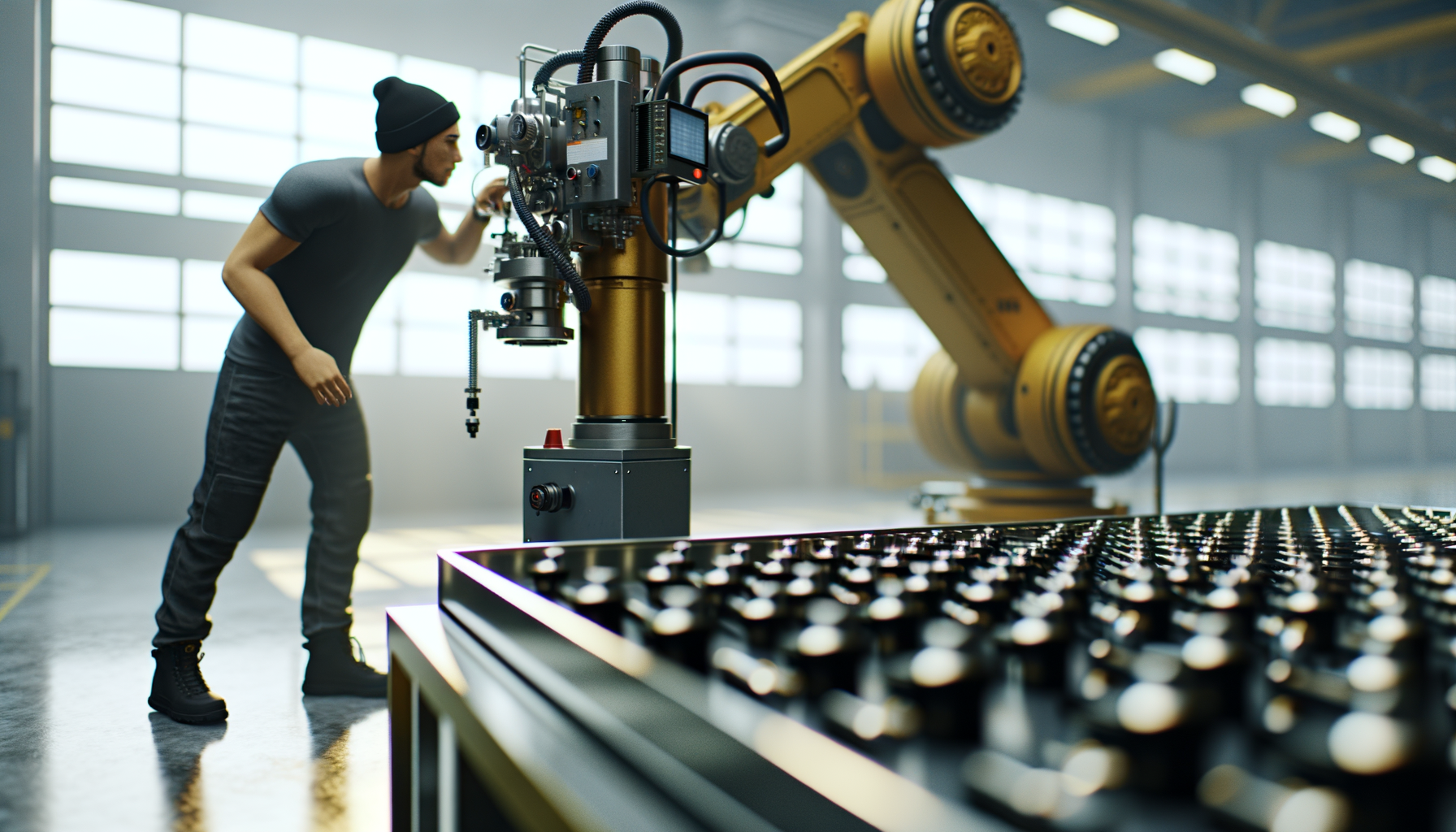
Ever had a machine call in sick? Yeah, me neither. Thats the thing about industrial automation. Businesses want fewer surprises, lower mistakes, and a bit more sleep at night. That's where industrial automation USA isnt just buzzits survival mode now. From coffee roasters to car plants, companies are looking for ways to keep things simple, safe, and running smooth. If you've wondered how these places get stuff done faster than everyou're not alone. Lets break down what works, what doesn't, and whether your business should jump in. No jargon. No magic tricks. Just the real scoop on automation.
What is Industrial Automation, Really?
Industrial automation sounds fancyit just means using machines, control systems, or computers so your business does less by hand. Imagine jobs like sorting, packing, or even running quality checks handled by machines that don't need coffee breaks. The point? Work faster, safer, and save time/money. Whether you're making potato chips or airplane parts, automation turns messy, hard jobs into repeatable routines. Its not about robots taking over. Its about making humans jobs better and less stressful.
Why Are So Many Companies in the USA Turning to Automation?
Because doing everything by hand is slow and expensive. The USA has a big chunk of global manufacturing, and good enough doesnt cut it anymore. Competitions crazy. Kids want phones cheaper. Cars need to last longer. Food safety is strict. Industrial automation solutions cut mistakes, reduce recalls, and keep workers out of danger zones. Even small companies get inits not just for billion-dollar brands.
- Save money on mistakesmachines dont get bored or tired
- Protect peoplemachines handle dangerous jobs
- Produce more in less time24/7 if needed
- Meet strict rules better and faster
Bottom line: if you dont automate the boring and risky stuff, another company will.
Which Industrial Automation Solutions Work Best?
This parts not one size fits all. The solution depends on what you make and where youre at. Some businesses start tinyjust a conveyor belt and a barcode scanner. Others need huge custom systems. Heres whats out there:
- Programmable Logic Controllers (PLCs): Like the brain. You set them up once, and they handle machines over and overthink elevators or assembly lines.
- Robots: Not sci-fi. Real robots stack boxes, weld parts, and even paint. They work fast and never sneeze on your products.
- Sensors: These keep eyes on everything (temp, speed, pressure) so the system doesnt mess up.
- Industrial software: Runs reports, spots problems, and tells you what to fix before it gets expensive.
Pick what fixes your specific headache. Dont buy the flashiest robot unless it really solves a problem you have every day.
How Do You Choose the Right Automation Partner?
Not every company selling automation in the USA is a fit. A good automation company listens more than it pitches. Some are experts at food factories. Others do auto parts. Some handle huge projects; some focus on upgrades for small shops. Ask around, call references, and make them explain things in plain English. If youre confused, theyre not the right fit. And yeahcheck if they help when stuff breaks, not just when they want your check to clear.
- Are they experts for your industry?
- How fast do they fix problems?
- Do they train your team or leave you lost?
- Will they help you growor just sell you stuff?
Its like picking a good plumber. The best fix more than just one leak. They make sure you wont call them for the same problem twice.
What Are the Real Benefits of Industrial Automation?
Everyone loves shiny numbers, but the truth is, the benefits of industrial automation go beyond dollars. Sure, you save moneybut you also protect people, fix headaches, and free up time for bigger ideas. Real-life: a snack company swapped tired workers lifting 50-pound bags for a simple robot arm. Nobodys back hurts now, and the robot doesnt care how many bags you throw at it.
- Bigger profits from lower mistakes
- Safer floorsfewer injuries, happier workers
- Detailed datafind and fix bottlenecks fast
- Better product qualityno more bad batch panic calls
Every hour a machine runs without drama is more time your people can work on smarter jobs.
Automation in Manufacturing USA: Challenges No One Talks About
Nothings perfect. Industrial automation has headaches. Sometimes the systems are tricky to set up. Training takes time. If your old machines are ancient, upgrades can cost a lot up front. And if you rush in, you might automate the wrong thingmaking a broken process run faster (not smarter). The worst? Not asking your workers what actually slows them down. They know the problems, so listen before you start buying gear.
- Training can take weeksplan for time off the line
- If machines break, downtime hurts unless you have a fix
- Old gear sometimes won't play nice with new tech
- Poor planning = wasted money
Most mistakes happen when someone tries to automate everything at once. Start small. Fix what matters.
How to Get Started with Industrial Automation Technologies
Here's the move: walk your plant and write down every manual, annoying, or mind-numbing job. That's your real automation list. Price out fixes for one or two of those spots first. Bring your team into those talkstheyll say what works and what doesnt. Talk to at least three automation companies. Get bids. Ask for honest stories where things went wrong and how they fixed it. Small wins are better than risky big leaps.
- Map the jobs that kill time, money, or safety
- Check what tech fits your business, not the competition
- Ask people doing the job what actually drives them nuts
- Pilot one automation solution before you scale up
Testing small lets you work out the kinks before everythings riding on a new process.
Common Mistakes When Automating (and How to Avoid Them)
First-timers trip up in two ways. One: automating a messy process. You want to fix the process first, then automate. Two: ignoring the teamif people dont like the new setup, it wont stick. Also risky: going for the shiniest tech, not the right tech. That new robot arm isnt cool if a $500 sensor would do the job.
- Fix broken workflows before adding automation tech
- Include workers early so they buy in
- Focus on small, quick wins, not giant projects
- Watch for hidden costs (maintenance, upgrades later)
Think of automation like building a houseyou want a strong foundation, not flashy paint.
Examples: Real Businesses Winning (and Failing) with Automation
One US food company replaced four line workers with an automated sorting system. The owner panicked over the price at first, but within a year, saved double that in fewer recalls and no injuries. Another local shop bought an expensive robotic welder fast. They forgot their old power supply couldnt handle it. Cost them weeks in downtime.
- Start with small, simple changes and build up
- Ask others in your area what workedmost will tell you honestly
- Dont be afraid to fail, but fail small
Learning from someone elses mistakes is way cheaper than making your own.
Got Questions? Real-World FAQs
- Q: How much does basic automation in manufacturing USA cost?
A: It doesn't have to break the bank. Basic setups, like a small conveyor or simple sensor, can cost a few thousand dollars. Bigger projects with robots can run into hundreds of thousands. Always start small to see real savings before gong all-in. - Q: Can industrial automation companies USA help smaller businesses?
A: Yes, and more are focusing on it. Many companies now offer small packages aimed at local shops, not just mega-factories. Ask for scalable solutions that fit your actual needsnot what someone else thinks is trendy. - Q: Will machines take over all the jobs in my factory?
A: Not likely. Machines handle repetitive, boring, or risky stuff. People are still needed to make decisions, fix problems, and do creative work. Automation is about making jobs safer and better, not replacing everyone. - Q: What's the fastest industrial automation solution to show results?
A: Simple quality checks using sensors or cameras often pay off quickly. They cut mistakes and reduce waste right away. Even a basic improvement here can save time and money in a few months. - Q: What are the biggest mistakes with new industrial automation technologies?
A: A few pop up a lotautomating a broken process, skipping training, and ignoring setup costs. Focus on fixing your weakest link first, make training part of the project, and plan for bumps in the road. - Q: How can I get my team on board with automation?
A: Start by including them from the start. Ask what bugs them daily and make sure automation solves their real problems. Training and honest talks helpnobody likes surprises at work.
Heres the short version: Start simple, fix whats truly annoying, and see how industrial automation USA can do the heavy lifting. The smartest businesses arent the biggest. Theyre the ones willing to try, tweak, and ask for help when they hit a snag. You got this.