Your junk drawer is overflowing. There's a closet where board games, tangled cords, and that weird souvenir cup you got in 2012 are shoved together. If this sounds familiar, you're not alone. But here's the good news: that so-called junk isn't worthless. In fact, recycling household clutter can mean actual cash in your pocket, less stress, andbonusa cleaner home.
Why Bother With Recycling Household Clutter?
Clutter doesn't just take up space. It steals your peace of mind, wastes time when you can't find things, and, let's be honest, can even cost you money when you buy duplicates. Recycling what you don't use turns those headaches into easy wins. You'll free up valuable space and, in many cases, you can make money from recycling or selling household items you never wanted in the first place.
What Household Clutter Is Worth Money?
Almost anything you don't use could have value. The trick is knowing what pays and what should go straight to the recycling bin. Here are some things people often overlook:
- Old electronics (phones, tablets, game consoleseven if broken)
- Gently worn clothes and shoes, especially branded items
- Books, board games, and puzzles
- Scrap metal (think broken appliances, old lamps, copper wire)
- Kids' toys that work and aren't missing pieces
- Vintage items or collectibles
The first time I put a box of tangled wires online, I thought nobody would touch it. Someone picked it up the next day for five bucks. Trust me, people want the weirdest things.
How To Recycle At Home for Cash
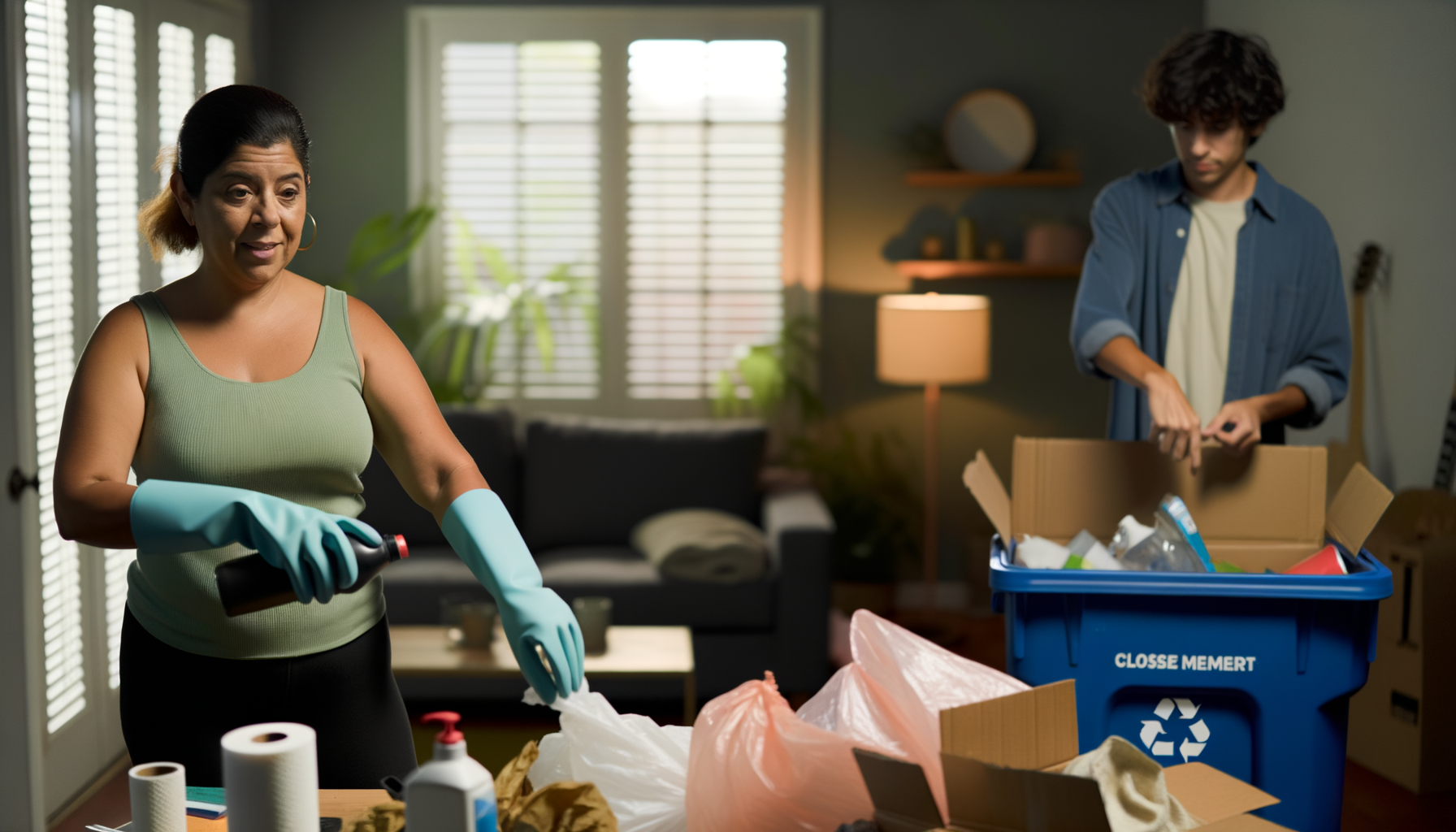
Start with a plan and the right mindset. You're not going to clear your whole house in one afternoon. Pick one small zonelike a junk drawer or a shelf. Here's what works:
- Sort items into: Keep, Sell, Recycle, Donate, and Toss
- For anything possibly valuable, do a quick online search to see what it sells for
- Try selling on local platforms first for bulky or heavy things
- For metals and electronics, look for scrap or e-waste buyers nearby
- Batch common items (like books or clothing) for faster sales
Selling household items takes a bit of patience. You won't always hit the jackpot, but even small amounts add up. Plus, you're keeping things out of the landfill.
Common Mistakes When Recycling Household Clutter
We've all done this: try to sell something totally broken or nasty. Or, you lug everything to one location, only to find out they don't take it. Here are some things to avoid:
- Listing dirty or damaged goods as 'like new' (be realpeople notice)
- Ignoring local rules for recycling electronics or hazardous items
- Pricing things based on sentimental value (buyers don't care it's your kid's beloved toy)
- Getting overwhelmed and giving upsmaller bites work best
It's annoying when you have to store stuff waiting for buyers. Set a time limit, and if it doesn't sell, switch to donating or recycling for peace of mind.
Where Can You Sell or Recycle Household Items?
Every community has slightly different options, but some universal places always work:
- Online marketplaces (great for most things, but watch out for scammers)
- Garage sales for quick decluttering (combine with neighbors for more foot traffic)
- Thrift shops or local charities
- Scrap yards for metal items
- Special e-waste collection days for electronics and batteries
I tried an old-school yard sale once and was shocked by how much money I made off things I'd written off as junk. Don't underestimate the power of people searching for deals.
Decluttering for Profit: How Much Can You Make?
This part is always a bit unpredictable. Some people clear out a shed and walk away with a few hundred dollars. Others make ten bucks on their first try but score bigger later. The key is not expecting to get rich but recognizing that recycling for cash feels a lot better than stuffing things in the trash. And seeing your place look less cluttered is a big win.
Tips For Keeping Your Home Clutter-Free (and Profitable)
- Set a calendar reminder to do a mini-declutter once a month
- Ask yourself: 'Have I used this in the past year?'
- Keep a box by the door for items to sell, donate, or recycle
- Get the household involvedkids especially love seeing items turn into spending money
- Avoid 'aspirational' purchases you know you'll never use
Decluttering isn't a one-time thing. The more you get into the habit, the faster it goesand you might actually start to enjoy turning clutter into cash.
FAQs About Recycling Household Clutter
- How do I start recycling household clutter without feeling overwhelmed?
Start small. Pick one drawer, one shelf, or one bin. Focus only on that area until it's done. Break it up over days if you need to. Progress beats perfection. You'll pick up momentum naturally as things get clearer. - What household items are best to recycle for money?
Old phones and electronics, certain kitchen appliances, clothes in good condition, books, toys, and anything made of metal are usually best. Sell what works; recycle what doesn't. Always check if something has a bit of collector value before tossing it. - Is it worth selling low-value items, or should I just donate them?
If you need quick space or don't want the hassle, donating is great. But if you have time and energy, small sales can add up. Try batching similar items for quicker sales. You'll learn fast what sells and what's better off donated. - Where do I recycle electronics safely?
Check for local e-waste drop-offs, recycling events, or stores accepting old electronics. Don't just throw them in the trashmany parts can be reused, and some places pay a little for old phones or computers. Quick online searching for your town plus 'e-waste' should point you in the right direction. - How can I get the family to help declutter for profit?
Make it a fun challenge or set a group goallike saving for a meal out with the money earned. Let everyone pick a spot to tackle or a box to sort. It becomes easier (and more fun) when you share the work and the rewards. - Can recycling clutter really make a difference for the planet?
Absolutely. Selling or giving away usable items gives them a second life. Recycling things like metal or electronics saves resources and keeps harmful materials out of landfills. Even small efforts help when everyone does their part.
Ready to give it a shot? Start with that one junk drawer. You might surprise yourself with how much cash (and calm) you can find under all that clutter.