


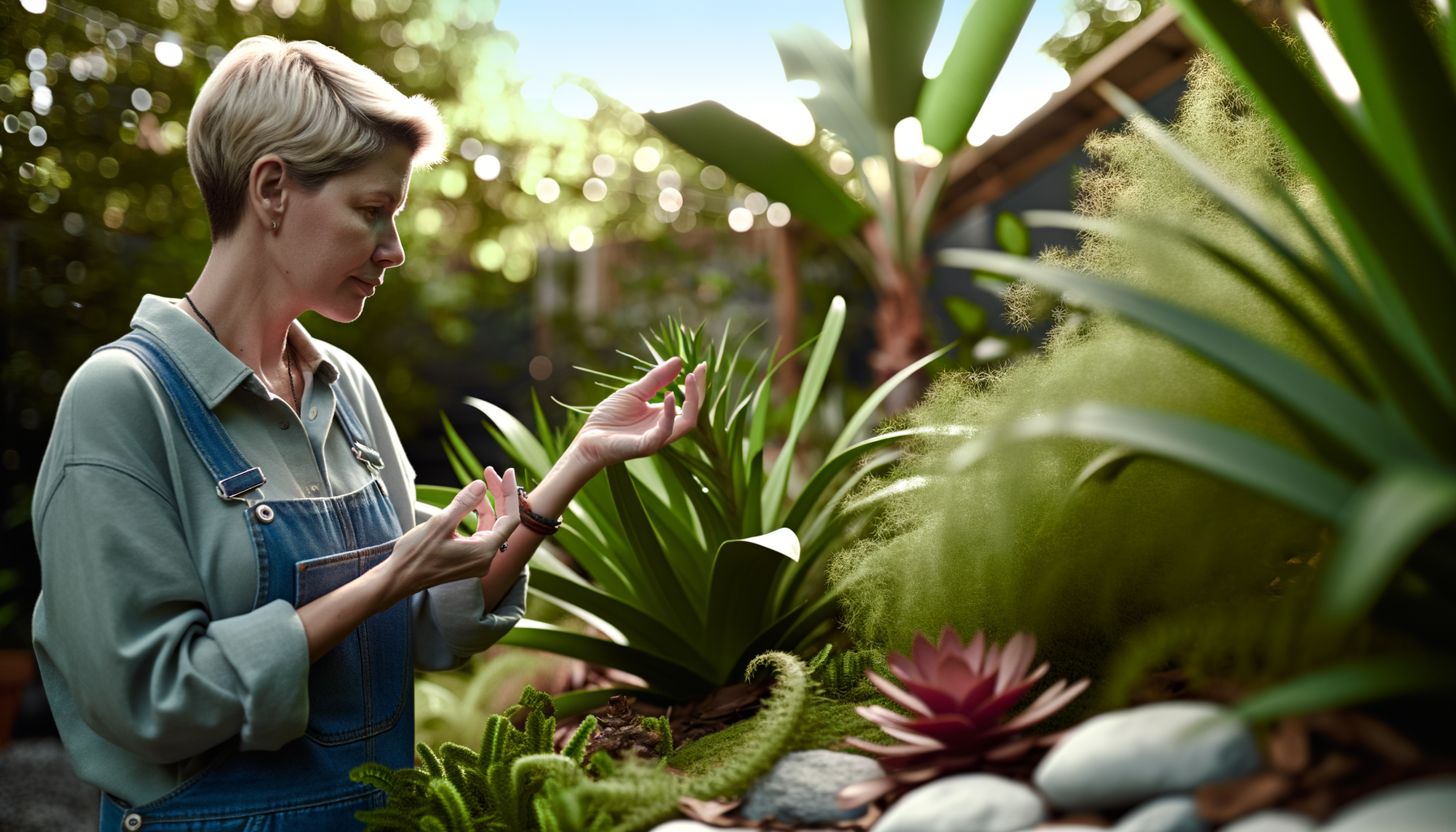
Your backyard shouldn't feel like extra work. It should work for you and the world around you. That's where ecological garden design comes in. Sick of mowing, watering, and battling weeds? You're not alone. Plenty of people want an outdoor space that looks good, does good things for nature, and doesn't suck up endless time or money. This guide will show you how to turn your yard into a low-hassle, planet-friendly havenwith practical steps, real-life tips, and zero pretentious jargon.
What Is Ecological Garden Design, Actually?
It's the way you plan and plant a garden so it fits the local environment. Instead of forcing plants to survive where they don't belong (and wasting water and energy), you're building a space that works with nature, not against it.
- You use plants that are native or well-adapted to where you live
- You invite in birds, bees, butterfliesand even the helpful bugs
- You cut back on mowing, spraying, and watering
- You focus on healthy soil and natural cycles
Why's this better? Less maintenance, smaller bills, more wildlife, and a space that feels truly alive. Plus, your yard won't look like every other cookie-cutter lawn on the block.
How to Start: Steps for Any Size Yard
Think SmallOr Go Big
You don't need a whole acre. Even a tiny city patio can go greener. Start where you are with what you've got. A few planters, one flower bed, or a corner of your current yard is enough to make a difference.
Check Your Space
Pay attention to:
- How much sunlight each spot gets
- Where water piles up or runs off
- The soilbreak it up, look for worms, sniff for musty smells
It's like scouting out your kitchen before a big meal: Knowing what you're working with saves hassle later.
Choose Native (or Neighbor-Friendly) Plants
Picking local plants is the biggest hack in ecological garden design. They know your weather, your soil, and even the bugs around. That means:
- Less watering (they can handle dry spells)
- Fewer pests (because theyve seen them before)
- More birds and butterflies will show up
If you cant find native plants at the store, ask for tough, low-water options or search plant lists from gardening groups in your area.
Why Do People Love Sustainable Landscaping?
Because it's less work, but the yard is more interesting. Youll get:
- Lower water bills (drought-tolerant plants help here)
- Cool shade from thoughtfully placed trees
- A space for kids or pets to play that doesn't need chemical sprays
- A place that gets better every season, not worse
It also means you're not fighting nature nonstop. Thats a win.
What Makes a Garden Wildlife-Friendly?
Wildlife-friendly gardens feed the good creatures. Youre making a buffet for pollinatorsbees, butterflies, and even hummingbirds. Heres how to make that happen:
- Add flowers that bloom in different months, so theres always food
- Leave a patch of leaves or brush for bugs, frogs, and more
- Avoid pesticidesthey kill the helpers along with the pests
- Toss in a water dish or birdbath (change the water every so often)
Don't freak out if you see a wasp or a beetle. Most are harmless, and some eat the bugs you dont want around.
How to Build Soil That Works for You (and the Planet)
Your soil is like the gut of your garden. If its healthy, everything else works better. Heres what you can do:
- Mulch with leaves, grass, or bark chipsmoisture stays longer and weeds stay out
- Compost food scraps and yard clippings, then spread it on your garden
- Plant roots (especially from natives) help break up tough dirt over time
If your plants keep flopping or turning yellow, dig around a bit. You might just need to feed your soil, not spray your plants.
Common Mistakes (and How to Dodge Them)
- Going all-in too fastrip out a patch, not your whole lawn at once
- Picking plants just because they look pretty at the storeif theyre not suited for your area, theyll struggle
- Drowning your new plantslet them settle in and water deeply but less often
- Piling up mulch against plant stemsit can rot them
No garden is perfect. If plants die, try something else next season. If something gets weedy, cut it back or change your mulch. Gardens always evolve.
Biodiversity Gardens: Why They Matter
Biodiversity just means a mix of lots of living things in one spot. The more plants and critters you have, the tougher and more interesting your yard gets. Biodiversity gardens:
- Survive weather swings better (drought, rain, cold snaps)
- Draw in birds and butterflies youll actually notice
- Help break pest cycles naturally
If your space has flowers, shrubs, trees, and even a log pile or messy corner, youre doing it right.
Real Life: What Does Daily Care Look Like?
Get ready for this: Youll spend less time mowing. Instead, you might water a new native bed once a week, toss some compost every season, and pull the odd weed by hand. It doesnt mean chaosjust a different rhythm. Youll start noticing changes like robins hunting worms, bees buzzing, and wildflowers surprising you in places you didnt expect.
- Set a reminder to check your garden once a week
- Skip the hedge trimmerprune by hand for healthier plants
- Celebrate when you see something new (even if its a weird mushroom)
How Can You Make Your Garden More Eco-Friendly?
- Collect rainwater to use on your plants
- Swap chemical fertilizer for homemade compost
- Add a 'no-mow' strip for pretty wildflowers
- Reuse old pots, bricks, and wood for garden edges
Little tweaks add up. Each choicewhat to plant, what to feed, what to leave alonemakes your outdoor space healthier and more interesting.
FAQ: Ecological Garden Design for Real People
- Whats the easiest way to start ecological garden design?
Start small. Try adding a few native plants to one part of your yard. Watch how they do with minimal help. This lets you get a feel for what works before you commit to bigger changes. - Do I have to give up having a lawn?
Nope! You can keep some grass if you like it. Consider shrinking the lawn or replacing part with wildflowers or groundcovers that use less water. Every bit helps. - Will my garden look messy if I stop mowing and trimming everything?
It might look different, but not messy if you plan ahead. Group plants in clusters, use clear paths, and keep some structure. Nature-inspired doesn't mean overgrown. - Are native plants hard to find?
Not always, but you may need to ask around or shop at local nurseries. Online groups or community gardens can point you to good sources for your area. - How do I pick plants that welcome wildlife?
Look for flowers that bloom at different times, trees or shrubs for shelter, and let plant stalks stand through winter. Skip pesticides and watch who shows up! - Is ecological gardening more expensive?
It might cost a little more at first if you buy new plants, but youll save on water, fertilizer, and maintenance over time. The investment usually pays off.
Start where you are. Learn as you go. You dont need a degree in botanyjust patience and curiosity. In a few months, you might just become the neighbor with the coolest (and easiest) yard around.










