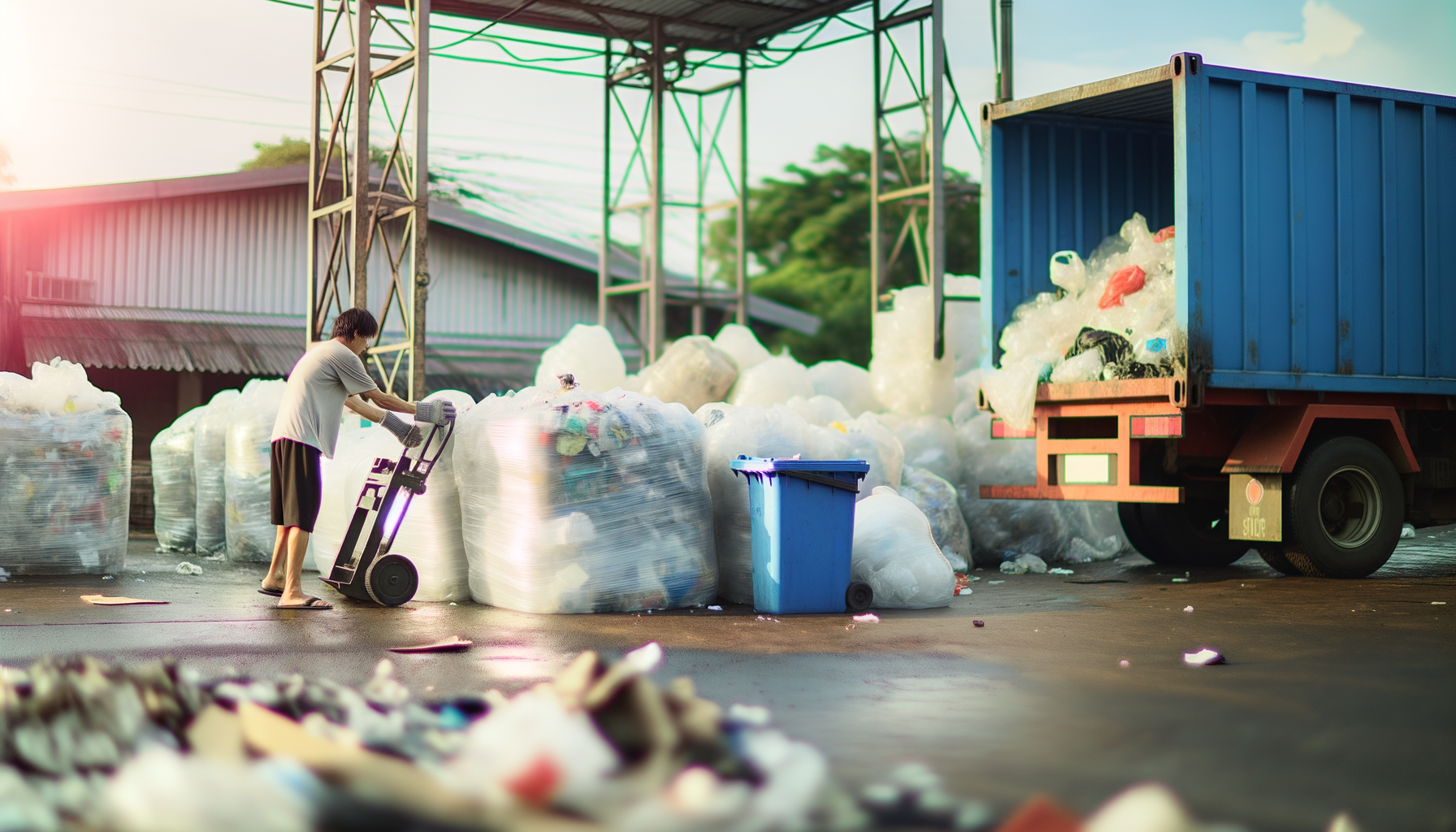
Plastic is everywhere in daily life. From soda bottles to grocery bags, you see it piling up on kitchen counters and in garbage cans. The usual solution is to toss it, hope it gets recycled, and forget about it. But what if you could earn cash by recycling that plastic and help the planet at the same time? That's where plastic waste recycling steps inand it's easier than you think. This guide breaks it down simply: how to recycle, where to sell, and how your small actions add up to a cleaner world (plus some extra money in your pocket).
What is plastic waste recyclingand how does it work?
Plastic waste recycling means collecting used or unwanted plastic, sorting it, cleaning it, and turning it into something useful again. This could be playground equipment, new bottles, or even clothing. Local centers handle most of the messy parts for you, but your job starts with good sorting at home.
- Check for recycle codes (usually a triangle with a number under your plastic items)
- Separate bottles, containers, bags, and wraps
- Rinse out any food or gunk
- Drop them at your local recycling center or use curbside pickup
Why does this matter? Because not all plastic is the same. Mixing stuff together can ruin a whole batch, making it impossible to recycle. That's why the first stepsortingmatters most.
How can you recycle plastic for money?
Let's get to the part everyone asks: can you really recycle plastic for money? Yes. Many cities and towns run "bottle bill" programs where you earn cash for returning containers. Some states offer five to ten cents per bottle or can. That adds up fast if your friends, family, or school join in.
- Collect bottles and jugs (check which types your center accepts)
- Find out if your area runs a return-for-cash program
- Use drop-off machines or counters at supermarkets
- Some recycling companies or collectors pay for bulk plasticsee if you can organize a neighborhood drive
Common hiccups? Some items (like plastic bags, straws, and styrofoam) aren't accepted in curbside bins. Check your local rules online. If you're missing return programs, look for scrap dealers who buy sorted plastic by weight.
Which types of plastic can you sell?
You can't just toss all your plastic together and expect quick cash. Here's what most buyers want:
- Clean water and soda bottles (PET or #1 plastic)
- Milk jugs and detergent bottles (HDPE or #2 plastic)
- Certain food containers (#5 or polypropylene)
Things not accepted: plastic bags, cling wrap, and colored plastics are rarely worth anything at the buy-back center.
Tip: Businesses and schools tend to collect a lot of plastic fast. If you can team up, you'll hit the minimum weight targets most recyclers need.
What are the real benefits of recycling plastic?
It sounds like workso why bother? Here are the real perks when you stick with plastic waste recycling:
- Cuts down on landfill and ocean trash
- Keeps toxic chemicals from burning or rotting plastic out of the air and water
- Lowers energy use by making new stuff from old stuff (instead of using raw oil)
- Earns you extra money, even a few bucks at a time
- Sets a good example for friends, kids, or anyone who sees you doing it
Honestly, you won't get rich (unless you're running a big business), but you'll make a difference a little at a time.
How to get started with plastic waste management at home
Plastic waste management means setting up easy systems so plastic doesn't pile up or get tossed in the trash.
- Keep a separate bag or bin for recyclables (not the trash can!)
- Make it a habit to rinse bottles and containers right away
- Set up a weekly drop-off day to clear out your collection
- For bigger efforts, organize a community, school, or team drivepool what you gather and split the cash, or donate it
If you get lazy, recycling slips. So make the process simple and routine. It's like sorting your dirty and clean laundrypain at first, but automatic once you get used to it.
Common mistakes when recycling plastic and how to avoid them
Even the best intentions go wrong sometimes. Here are classic plastic recycling slip-ups:
- Throwing everything plastic into the recycling bin (not all plastics can be recycled)
- Mixing dirty, oily, or food-stained items with clean plastics (this ruins the batch)
- Not checking local recycling rules (they're all different)
- Forgetting to bring plastic to a center or store if there's no curbside program
If you've messed this up before, don't worry. The fix is simple: know what your center takes, rinse and dry, keep your system easy, and when in doubt, leave it out. One solid recycling habit beats a mountain of wishful thinking.
Turning plastic into cash: real stories and easy wins
Here's how real people keep recycling plastic worth their time:
- Families split up choreskids rinse and sort, parents take drops to the center
- A student club collects bottles from sports games and funds field trips
- A neighbor rounds up plastics from the block for group drop-offs and everyone shares the cash
It can be as small as a few dollars a month or big enough to pay for pizza night. The secret is consistencyonce you get the system going, it's almost automatic.
FAQ
- Q: How do I start recycling plastic at home if I've never done it before?
A: Grab a separate bin or bag and put it somewhere easy to reach, like your kitchen or garage. Start tossing empty, rinsed bottles and containers in there instead of with your regular trash. Check local rules online so you know what they'll take. It's easy to build the habit once you start. - Q: Can I make serious money recycling plastic, or is it more about helping the planet?
A: You won't get rich (unless you recycle in huge amounts), but you can earn some extra cash. Most folks do it for both reasonsthe bonus is you're helping the planet too. Small amounts add up, especially if you join with others. - Q: Which plastics should I keep separate to sell for money?
A: Keep clear water bottles (#1) and milk jugs (#2) separatethey're in demand. Make sure they're clean and dry. Most recycling centers or buyers want these types and may pay by the bottle or by weight. - Q: What happens if I put the wrong plastic in the recycling bin?
A: It can mess up the whole batch and sometimes make it all end up in the landfill. Things like bags, straws, and greasy food containers aren't usually accepted. Check your local list and when in doubt, leave it out. - Q: Do all recycling centers pay for plastic waste?
A: No, not all of them. Some just take it for free. Look for bottle return programs, scrap buyers, or recycling depots that offer cash or credits for plastic. A quick online search for your zip code and "plastic recycling for money" will help. - Q: Can plastic recycling really help the environment?
A: Yes. Every bottle or jug recycled is one less in a landfill, river, or ocean. Plus, it saves energy and keeps pollution out of the air. The change isnt huge at once, but millions of small actions add up fast.
One person may not save the planet alone, but every bit of plastic you recycleand every dollar you earnshows others that it works. Start small. Keep it easy. Neighbor by neighbor, youre turning waste into something good.