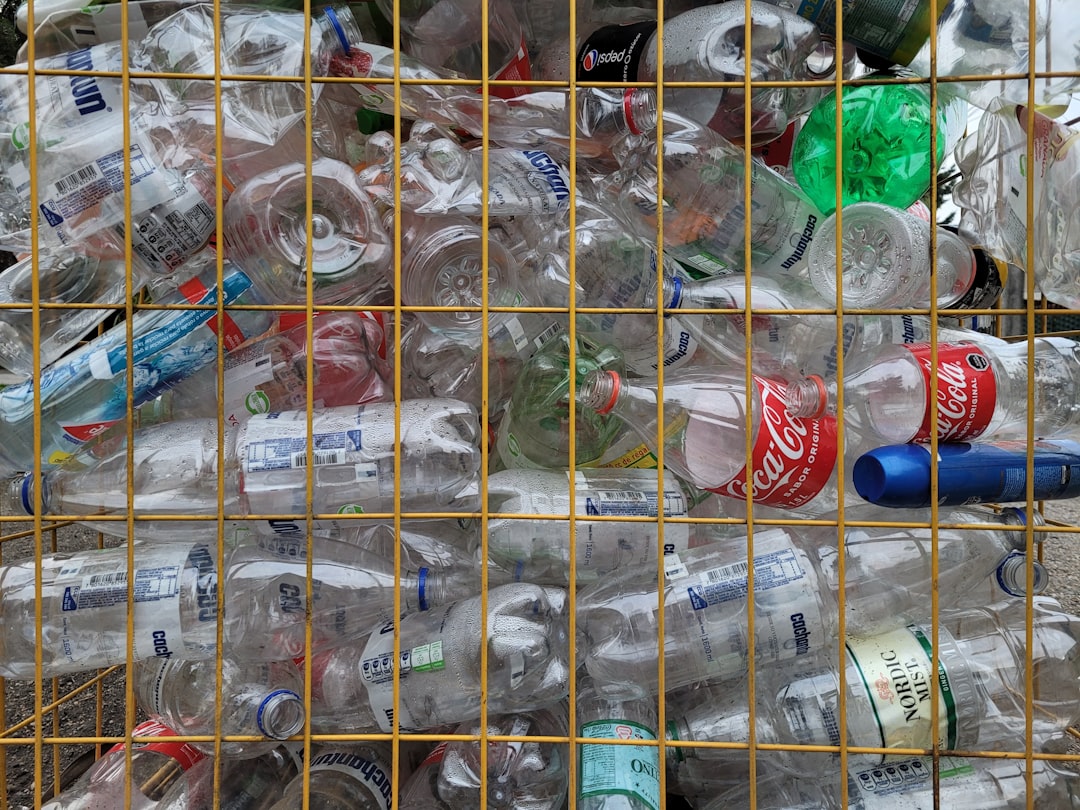
You've seen it in your kitchen, on the street, at every takeout counter: plastic, and lots of it. Most of us have tossed out a plastic bottle and wondered, where does this even go? Or maybe you tried reading the recycling labels but gave up because it felt like unlocking some secret code. Here's the thingplastic waste management is tough, messy, and it's a problem we've all got a hand in. But there are ways out, and they're easier than you think. Let's talk about real fixes you can use, what works (and what doesn't), and how you can actually help cut back on plastic pollution starting today.
What's the Big Deal with Plastic Waste Management?
Plastic waste management is all about dealing with the mountain of plastic trash we create every day. It means figuring out how to keep it out of our oceans, parks, and neighborhoods. Why should anyone care? Because plastic sticks around for centuries, hurting animals, choking waterways, and even sneaking into the water we drink. Not fun. If we get smarter about how we handle plastic, we can keep our places cleaner and help the world breathe easier.
Why Does Plastic Stick Around So Much?
Plastic is durable, which is both its power and its problem. It doesn't break down easily. A plastic spoon could outlive youby a lot. This long life makes it handy for stuff like food packaging, but a nightmare to get rid of. That's why reducing plastic pollution isn't just about tossing more stuff in the blue binit's about changing what we use and how we throw it away.
What Counts as Sustainable Plastic Disposal?
When people talk about sustainable plastic disposal, they're thinking beyond just 'trash or recycle.' It means:
- Using less plastic in the first place (the less you buy, the less there is to toss)
- Reusingdon't chuck takeout containers if they make a good lunchbox
- Making smart recycling choices (not everything with a triangle is really recyclable)
- Composting bio-based plastics if your city allows it
Heres a quick win: next time you get groceries, bring your own bags. Skip the single-use plastics whenever you can. Sounds simple, but it actually has a big impact.
How Do Plastic Recycling Solutions Work (for Real)?
Most plastic gets sorted, cleaned, chopped up, and melted down to make new stuff. That's the basic idea, but it hits snags. Lots of plastic types can't mix, dirty plastic gets trashed, and sometimes it costs more to recycle than to make new plastic (which is kind of backwards). Still, many places now have better techsome can turn old plastic into benches, playgrounds, or even new bottles.
Pro tip: Always rinse out bottles and containers before tossing them in the recycling. If they're too grimy, they might end up in landfill instead.
What Are Some Innovative Waste Strategies People Are Trying?
If boring old recycling isn't cutting it, some cities and companies are getting creative. Here are a few smart moves:
- Making roads from recycled plastic
- Paying people to collect and return plastic waste
- Turning used plastics into fuel or building materials
- Swapping plastic packaging for biodegradable options
- Launching neighborhood 'plastic banks' where you drop plastic in exchange for rewards
And yes, not all of these are perfect. Sometimes the new products made from recycled plastics dont last as long, or creating alternative materials costs more. But every small step helps.
Where Do People Usually Slip Up with Plastic?
We've all made plastic mistakes, like:
- Tossing greasy pizza boxes in recycling (they belong in trash)
- Bagging recyclables in plastic bagsmost recycling centers hate that
- Thinking anything with a triangle logo is good to go (check your local rules)
- Forgetting to clean containers, which can ruin whole batches of recyclables
The first time I tried to recycle, I mixed glass, plastic, and food leftovers in one bin. Not my best movethe guys at the center had to trash most of it. Basically, if you want recycling to work, keep it clean and sorted.
What If I Cant Avoid Plastic Completely?
Let's be honestsometimes, plastic is unavoidable. Maybe it's in your medical supplies, or it keeps your food from spoiling. That's okay. The goal isn't to be perfect, it's to get better. Try swapping out the easy stuff first:
- Reusable water bottles instead of single-use
- Bulk snacks instead of small packages
- Compostable plates for parties
If everyone made a few swaps, we'd see less waste everywhere.
How Can I Start Reducing Plastic Pollution Right Now?
Don't overthink it. Start small:
- Audit your own trash for a week; notice what's mostly plastic
- Pick one thing to swap or skip (maybe your coffee cup or grocery bags)
- Ask stores politely if they offer non-plastic options
- Share tips with friends, or even challenge them to a plastic-free day
Progress matters more than perfection. Even one less plastic bag in the trash is a win.
Whats the Takeaway?
Plastic waste management doesn't mean giving up everything you love. It's about being a little more mindful each day. Sometimes it will feel like you're bailing water out of a leaky boat, but that's how change starts. Swap one habit, ask one question, make one better choice. Little by little, it adds up.
FAQs
- What are the easiest plastics to recycle?
Most places can recycle water bottles and milk jugs (look for numbers 1 and 2 inside the triangle). Theyre cleaner and melt well into new stuff. Plastics like cling wrap or straws are tougher to recycle, so try to avoid them when you can. - How does plastic pollution actually affect me?
Plastics can break down into tiny pieces (microplastics) that end up in what you eat and drink. It doesnt just hurt animals; its in the water supply too. Keeping plastics out of nature helps keep your own food and water cleaner. - Can compostable plastics go in my backyard compost?
Nope, not usually. Most need high heat from industrial compost sites to break down, so tossing them in your garden compost wont work. Check with your citythey might have special bins or programs for these. - What's one thing families can do to cut their plastic waste fast?
Start by skipping bottled drinks at home. Use tap water and reusable bottles instead. It adds up fast, saves money, and keeps loads of plastic out of the trash. - What happens if I put the wrong stuff in recycling?
Dirty or unrecyclable plastics can mess up the whole batch, sometimes sending everything to the landfill. It helps to check what your local program accepts and keep bins free of food or grease. - Why is using less plastic better than recycling more?
Making less waste in the first place beats dealing with it later. Recycling helps, but its not perfectit's better to never make the trash at all if you can avoid it.