You buy something. It comes wrapped in plastic. Five minutes later, the wrappers in the trash. Thats the story for most of usevery single day. It feels impossible to keep up. But the good news? Small changes matter, and there are real, sustainable plastic waste solutions out there that regular people can use.
Why Do We Have So Much Plastic Waste?
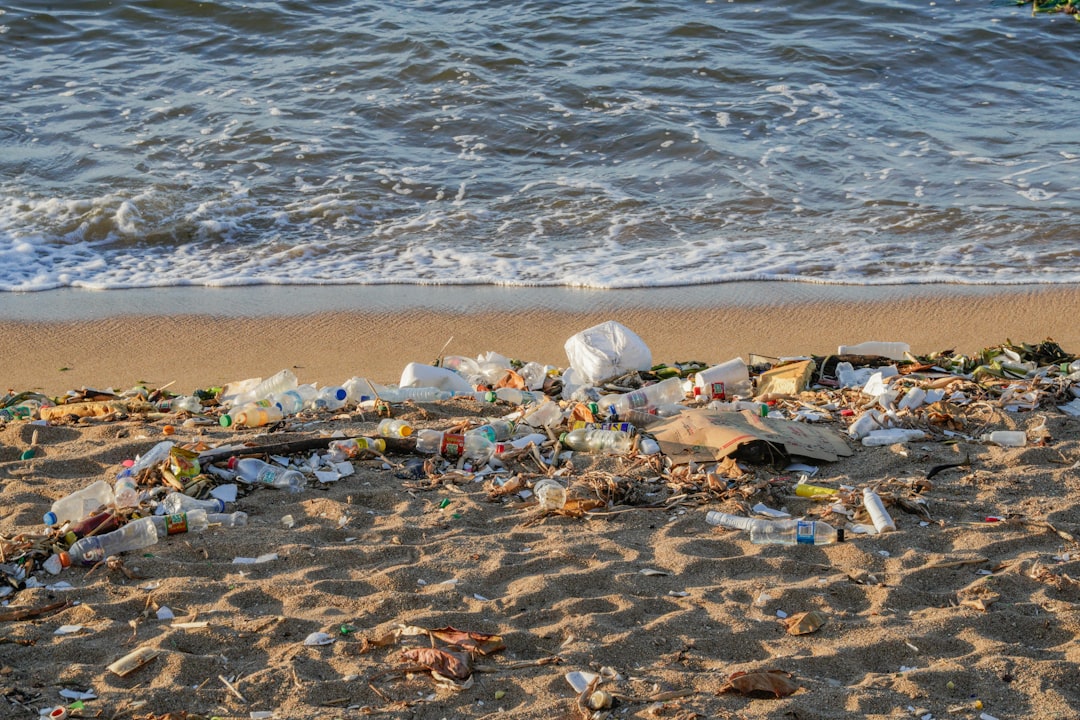
Plastic is everywhere because its cheap and lasts a long time. But thats the problemit doesnt go away. Left unhandled, it clogs up rivers, washes up on beaches, and even circles the globe in distant oceans. Pretty overwhelming, right?
- We use single-use plastics once, then toss them
- Lots of packaging isnt even recyclable
- Recycling bins are confusing (and we all mess up sometimes)
Its frustrating, but not hopeless. Lets talk realistic fixes you can actually stick with.
What Are The Main Ways To Deal With Plastic Waste?
Youve got choices: toss it, recycle it, or find a way to use it again. Not every plastic is the same, and not every solution works for everyone. Heres what you can try:
1. Recycling PlasticWhat Works And What Doesnt?
Recycling sounds simple, but not all plastics get a second life. Look for numbers in the recycle triangle on the bottom of containers. Ones and twos (water bottles, milk jugs) are usually safe bets. Five, six, and seven? Not so much.
- Clean your plastics before tossing them in the bin
- Dont bag recyclables (bags jam up machines)
- Watch for local rulesthey arent all the same
Recycling isnt perfect, but its way better than trashing.
2. Upcycling PlasticTurning Trash Into Something Useful
Plastic upcycling is when you find new uses for old containers. Maybe you make planters out of jars, or use tubs for storage. Its not fancy, but it means less plastic going to landfill.
- Cut bottles for watering cans
- Old containers become craft storage or seed starters
- Get kids involvedupcycling doubles as art projects
Its small, but if everyone did a bit, it adds up fast.
3. Switching To Sustainable MaterialsIs It Worth It?
Ever bought a reusable water bottle or cotton tote? Thats a swap. Its about saying no to single-use stuff and yes to things that last. It costs a bit more upfront but saves money (and waste) over time.
- Buy things youll use over and over
- Avoid eco-friendly items that are just as disposable as plastic
- Dont get overwhelmedpick one swap and try it out
Every swap is a step away from waste.
How Can You Reduce Plastic Pollution Without Making Life Hard?
No one expects you to go zero waste overnight. You can chip away at the problem:
- Bring your own bag and bottlekeep extras in your car or backpack
- Skip produce bags at the grocery store (bananas dont need one)
- Buy in bulk when you canless packaging overall
- Say no straw, please at restaurants
Its about habits, not perfection.
What Mistakes Do People Make With Plastic Waste?
Trying to do it all can backfire. You end up burnt out, annoyed, and back to your old ways. Some common blunders:
- Tossing dirty food containers in recycling (makes the whole bin trash)
- Thinking biodegradable means safe (lots need special facilities)
- Buying a million eco products you never use
- Giving up after one slip-up
Pick one or two changes and get comfortable with them. You dont have to be perfect to make a real impact.
How Do Communities And Cities Help With Plastic Waste?
Individuals arent alone here. Cities run big recycling programs, clean up events, and sometimes swap out plastic for better stuff in parks and schools. Some set up special bins for hard-to-recycle items or team up with groups turning trash into benches, playgrounds, and art.
Its not perfect everywhere, and sometimes you wish theyd do more. But you can ask for bettertalk to your city, join a clean-up, or help friends recycle right. People notice, and change spreads.
Whats The Next Step For Sustainable Plastic Waste Solutions?
Future fixes look promising. Scientists are working on new materials that break down faster, and people are inventing plastics from corn, mushrooms, or even seaweed. Some places even use bacteria to eat up plastic. These ideas arent everywhere yet, but theyll get bigger as more folks care and push for better solutions.
Start with what you can control. Dont stress about the rest. Every plastic item you spare from the trash counts, and every small tweak adds up. Youve got more power than you think.
FAQs About Sustainable Plastic Waste Solutions
- What are some easy plastic recycling methods I can use at home?
You can start by rinsing out your bottles and containers and checking if your town takes them. Stick to items with numbers 1 and 2 on them because those are usually easy to recycle. Keep cardboard and food out of the bin so your recycling doesn't get ruined. - How can I practice eco-friendly waste management without much effort?
Carry a reusable bag when you shop and keep a water bottle for drinks on the go. Look for products with less plastic packaging, and try to reuse containers wherever you can. Little changes like these make your trash can fill up slower without a lot of work. - What's plastic upcycling and how do I try it?
Plastic upcycling means taking containers or wrappers you were going to throw away and using them for something elselike turning a yogurt cup into a home for tiny screws or making a planter out of a juice jug. Get creative and let kids help out! - Why does reducing plastic pollution matter for everyday people?
Plastic pollution hurts animals and the water we all drink. Even small bits of plastic cause problems. When you cut back on plastic or recycle right, it means fewer bags, bottles, and wrappers end up in the environment where they cause trouble. - Are sustainable materials really better than plastic?
Yes, in many cases. Things like glass, stainless steel, or certain plant-based materials last longer and don't break down into tiny bits that get everywhere. They're better for daily use because you dont have to toss them after one use. - Can kids help with plastic waste solutions?
Definitely! Kids can help sort recycling, get creative with upcycling projects, and remind adults to bring bags and bottles when leaving the house. The more everyone gets involved, the easier new habits stick.