


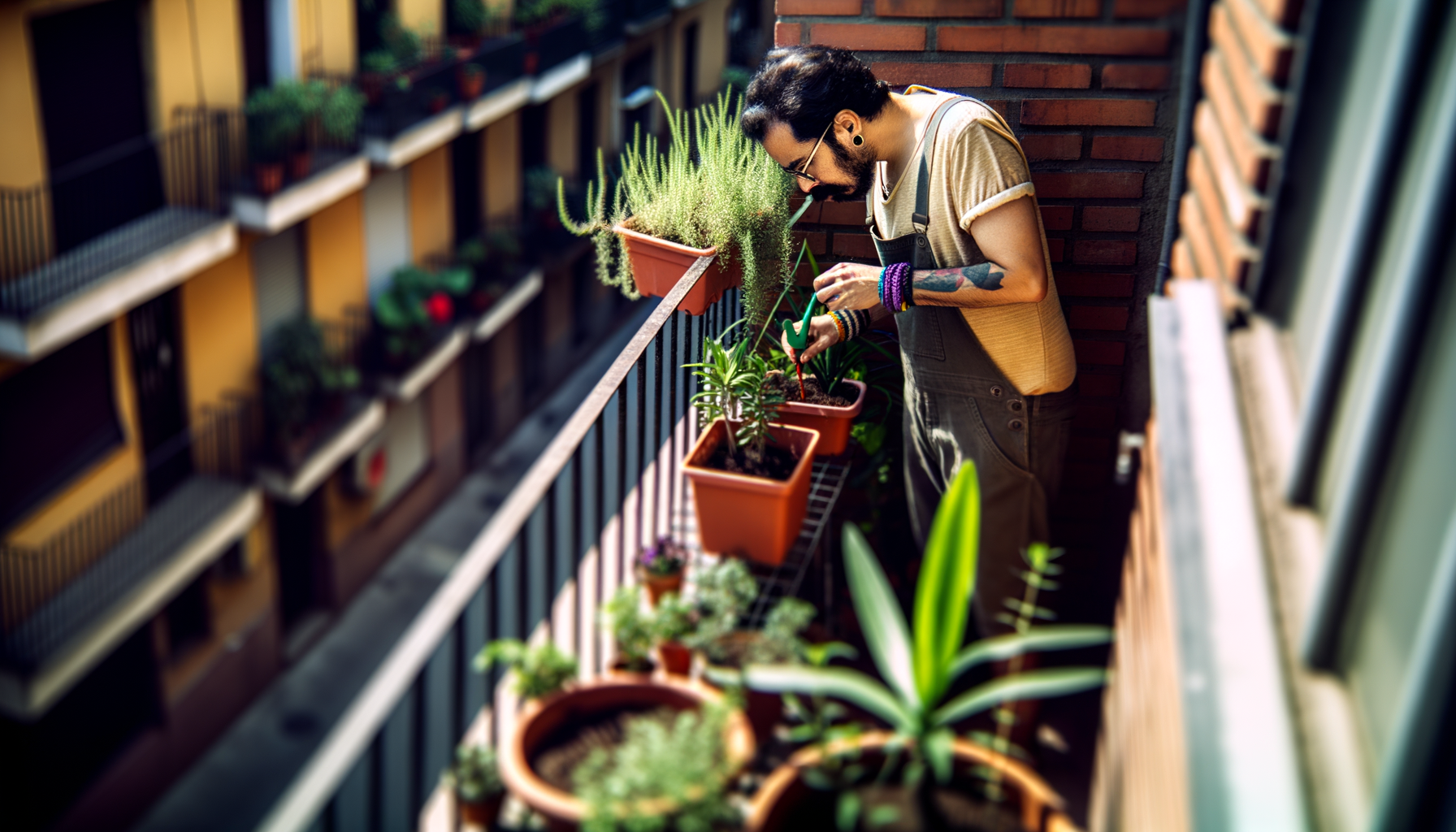
Having a tiny home doesn't mean you can't have a lush garden. If you've tried balancing a pot of basil on your windowsill or stuffed tomatoes beside your couch, you're not alone. Urban gardening for small spaces isn't reserved for folks with fancy lofts and glass sunrooms. You just need the right ideasand a little grit. Let's make your small space work, whether it's a postage stamp balcony, thin ledge, or awkward corner.
What Makes Urban Gardening for Small Spaces Even Possible?
Urban gardening for small spaces is about growing plants where regular yards won't fit. It's using containers, hanging baskets, or odd spots to sprout life. Why bother? Because it freshens up the air, brings you joy, and lets you snack on what you grow. It matters for your peace of mind and for making city living feel less boxed-in.
- You taste food grown steps from your bed
- You get dirt under your nails, not just blue screen glare
- Its a pocket-sized hobbyno farm needed
Getting plants to thrive in a city apartment isn't magic. It's picking the right plants, clever containers, and not giving up when that first mint plant kicks the bucket.
Where Can You Actually Squeeze a Garden Indoors?
Think your apartment is too cramped? Think again. You can carve out a mini urban vegetable garden almost anywhere.
- Sunny windowsills (south-facing gets the most light)
- Balconies or fire escapes (ask your landlord first)
- Hanging from your ceiling or walls
- Kitchen counters with a bit of morning sun
- Bookshelves that could lose a few dusty novels
Light is half the battle. Not much sunlight? Try grow lightsthey plug in and keep leafy greens alive through winter. Don't be afraid to rotate pots between the best-lit spots in your home so nothing gets left out.
Whats the Easiest Way to Start a Garden in a Small Space?
The best way to start is with container gardening. You can use almost anything as a planter:
- Old mugs, yogurt containers, or baskets (drill a hole for drainage)
- Standard clay pots or long, slim window boxes
- Hanging pots for herbs or strawberries
- Vertical tower planters to stack more plants
I started with a pile of mismatched coffee cups. It looked weird but workedmy first basil plant didn't care that it lived in a chipped mug. Herbs, lettuce, and cherry tomatoes are all forgiving, beginner-friendly crops. Go easy on yourself and pick up a bag of potting mix instead of digging up soil from a park.
How Do You Make Balcony Gardening Actually Work?
Balcony gardening is small space gardening in disguise. Got a balcony? Even a sliver of one? Great. It can become your green zone.
- Use railing planters for flowers or trailing vines
- Hang baskets from hooks or from the railing
- Stack pots on sturdy stools or shelves to make space
- Group sun-loving plants together for a wild splash of green
I once tried to overstuff my balcony until nothing got enough sun. Lesson learned: Less is more. Pick fewer, bigger pots over lots of tiny ones so roots have space. If birds or bugs crash the party, drape some fine mesh netting around your plants.
What Mistakes Do New Urban Gardeners Make?
Don't worryeveryone waters too much or buys weird seeds. Heres what trips up most people:
- Picking plants that need full sun when you have only shade
- Choosing giant containers for a barely-there ledge
- Forgetting drainage holes, so roots drown
- Not checking what your building allowssome ban balcony planters
- Going big right away (a windowsill herb is easier than a dwarf apple tree)
If a plant dies, don't take it personally. Green thumbs come from getting it wrongthen trying again. Be honest if a chili plant just isnt happy in your home. Swap it for something tough like snake plant or spider plant.
Which Plants Actually Thrive in Urban Spaces?
You want plants that forgive (and even thrive in) less-than-perfect spots. Herbs are classicthey need little space and bounce back from neglect. Good choices?
- Basil, mint, oregano, chives, and parsley
- Greens: lettuce, arugula, spinachgreat for quick salads
- Cherry tomatoes and peppers for sun-soaked balconies
- Succulents or snake plants for darker corners
Try one or two first, and see how it goes. My first surviving plant was mintif you can keep mint alive (or even stop it from taking over), you're golden.
How Do You Keep Your Urban Garden Healthy Year-Round?
Seasons mattereven in an apartment. In winter, indoor gardening needs help:
- Move pots closer to windows (without freezing them against the glass)
- Buy a cheap grow light for days when the sky is gloomy
- Cut back on wateringplants don't drink as much in cold months
- Wipe dust off leaves so they soak up all the light they can
Spring? Repot crowded plants. Summer? Check soil often so they don't dry out. City air can be dusty, so a gentle mist from a spray bottle helps leaves breathe.
What About Creating a Small Urban Vegetable Garden?
A tiny veggie patch at home is possible. Pick fast-growing crops that dont need deep soil or sprawling room.
- Radishes are ready in weeks
- Baby carrots or beets work in deep window boxes
- Grow salad greens in shallow trays
- Try bush beans or dwarf peas if you have space
Mix in flowers or herbs for color and sizeI tuck nasturtiums and basil in between my veggies. It keeps things lively, attracts pollinators, and makes your snack options way better.
Is Indoor Gardening for You?
Don't have a balcony? Indoor gardening is still a win. Use whatever light you get, start with forgiving plants, and add more as your confidence grows. I ran out of windows, so I use a cheap lamp with a grow bulb for my seedlings.
- Use trays under pots to catch leaksespecially on wood surfaces
- Try hanging planters if you're out of shelf space
- Involve kidsyoull be surprised how much they enjoy watering duty
Youll mess up at first. Thats fine. Watching one plant thrive in a tiny spot brings more satisfaction than a dozen fancy gadgets ever could.
Putting It All Together: Your Next Steps
Urban gardening for small spaces comes down to working with what you have, not what you wish you had. You don't need a green thumb. You just need one healthy plant to get you hooked. Dont sweat the details. Choose one small space, pick a hardy plant, grab a cheap pot, and go. Youll build the rest up through a little trial, error, and fun.
FAQs: Urban Gardening for Small Spaces
- What herbs can I grow indoors if I have almost no sunlight?
Try parsley, chives, and mint. These are less picky about sun. Put them as close to a window as you can or use a small grow light. Water when the top of the soil feels dry. - Can I have a vegetable garden on my balcony?
Yes! Start with shallow-rooted veggies like lettuce, radishes, or spinach. Use pots or planters that fit your space. Most balconies can handle a few containers for small vegetables and herbs. - Do I need fancy pots for small space gardening?
Nope. Use old mugs, bowls, or food containersanything that drains water. Make a hole in the bottom to stop roots from sitting in wet soil. Save money and get creative. - How often should I water balcony plants?
Check every couple of days. Stick your finger in the dirtif it feels dry, add water. Balconies can get hot and dry, so pots dry out faster than ground gardens. Don't let them wilt. - What's the best way to stop pests in indor gardening?
Wipe leaves with a damp cloth to remove dust and bugs. Inspect plants weekly, and if you see small bugs, try a natural spray like soapy water. Keep your plants healthythey fight off bugs better this way. - Is indoor gardening good for apartments with pets?
Yes, but check that your plants are pet-safe. Many herbs and greens are fine. Avoid lilies, philodendrons, or anything toxic. Place plants out of reach if your pet likes to chew.










