Messy guest room, overcrowded home office, overflowing toy cornersound familiar? If you're running low on space but high on stuff, you're not alone. Figuring out how to use the same room for different things can feel overwhelming, but it's the secret weapon for making small homes feel bigger. Whether you're cramming a workspace into your bedroom or turning your dining area into the kids' art studio, there are real, simple ways to make it work. Let's talk about dual purpose room ideas that won't send you running for the hills.
What Are Dual Purpose Rooms, And Why Bother?
It's a fancy way of saying one room does two jobs. Think home office by day, guest room by nightor maybe a dining nook that morphs into a homework station after dinner. The reason this matters? Most of us don't have a ton of rooms to play with. Making a room do more than one thing saves money, solves clutter problems, and makes your home feel like it fits your life (not the other way around).
- You save space (goodbye, wasted square footage)
- You avoid renovations that eat up time and cash
- Your home looks tidy because everything has a spot
- It lets you live bigger in a small footprint
The challenge? Getting it all to flow and not feel like a total mess. But there are tricks for that.
How To Pick The Right Combo For Your Dual Purpose Room
Not all rooms play nice together. Some combos work better than others:
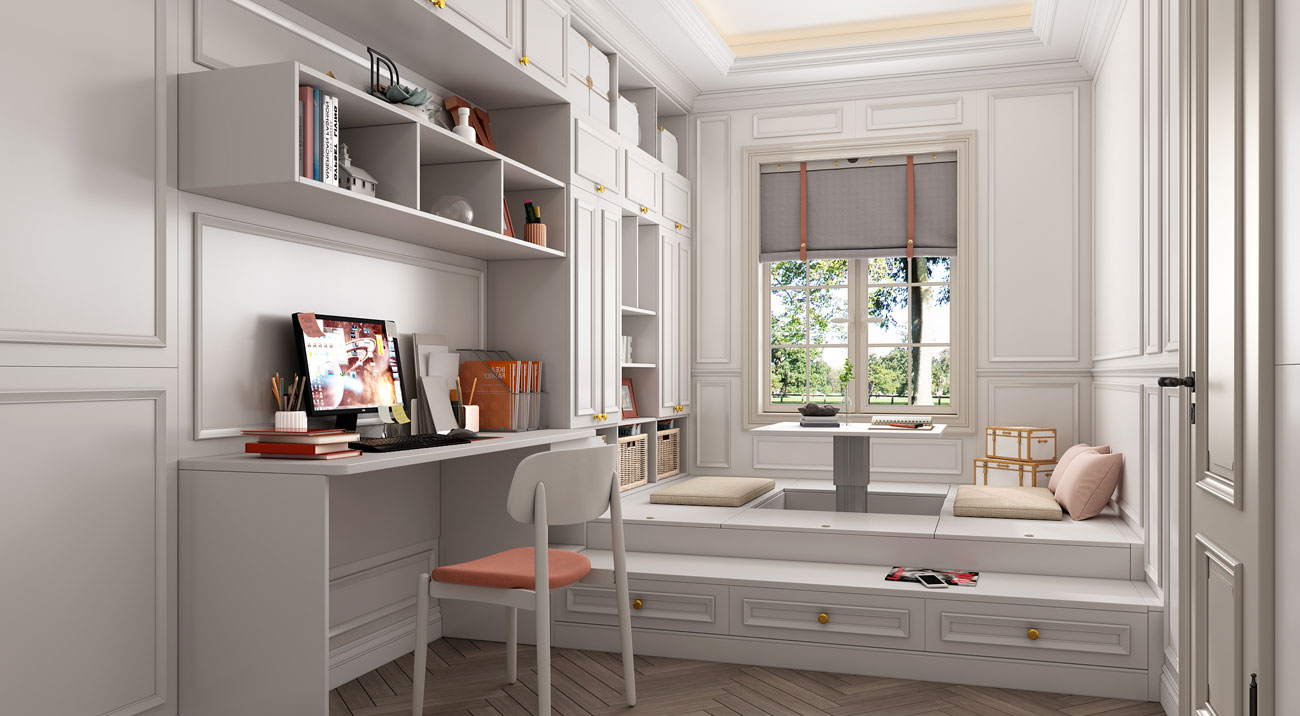
- Office and guest room: classic
- Laundry and mudroom: saves steps
- Gym and playroom: keeps everyone moving
- Bedroom and nursery: perfect for new parents
- Dining area and craft zone: beats glitter on the couch
Ask yourself: what are the two things you actually need most? Try sketching a quick smart room layout (no Perfect Pinterest needed, just scribble circles for furniture). If you can walk from one side of the room to the other without tripping or moving piles, you're on the right track.
Best Furniture For Multifunctional Rooms
Furniture is the magic trick for nailing combined living spaces. Here's what actually works (and what to skip):
- Sofa beds or futons: sleep + sit, takes seconds to switch
- Wall-mounted desks: work surfaces that fold away
- Stackable chairs or stools: bring out only when you need extra seats
- Ottomans with storage: hides blankets, toys, or workout gear
- Bookshelves as room dividers: gives privacy and holds your stuff
- Drop-leaf tables: shrink or expand based on your plans
Steer clear of super bulky pieces unless they give you two clear uses. If it's always in the way, you'll resent it. Trust me, that giant treadmill in the guest room ends up as a coat rack.
How To Create Small Space Solutions That Don't Drive You Crazy
It's easy for multifunctional rooms to feel crowded. Here are a few real ways to stop that headache:
- Pick a clear "main event" for each part of the day: morning is office, evening is lounge
- Store what you don't need close by but out of sight (think baskets, under-bed boxes, closet shelves)
- Stick with light colors on walls for an open vibe
- Use rugs to show where one "zone" ends and another starts
- Mount lighting on the wall instead of using lamps that take up real estate
If it gets cluttered, set a timer for five minutes before bed and do a quick tidy. It's like erasing the to-do list for your floor. Kids' stuff taking over? Teach them a bin is their magic 'reset button' for toys each night. Less drama all around.
Real Life Dual Purpose Room Ideas That Actually Work
- The Bedroom Office: Put a slim desk at the foot of your bed and grab a comfy chair that works for both working and reading at night. Close your laptop, stash your papers, and it's a bedroom again.
- Living Room Gym: Go for equipment that folds (like resistance bands or a yoga mat), then store it in a trunk or big basket. You can work out, then chill out, and nobody trips over dumbbells.
- Kids' Room + Study Station: Put a bookshelf between a bed and a desk. It blocks noise a bit and gives each spot its own feel. Pegboards above the desk keep supplies ready.
- Laundry/Mudroom: Stash a bench with hooks above it for coats, baskets for shoes underneath, and add stackable laundry bins. You win both waysclean clothes and less pileup at the door.
- Dine + Entertain: Use a bar cart and a fold-out dining table. During the week, it's homework and craft central. On weekends, transform it for pizza and movie night. Roll away the cart when not needed.
The trick: don't expect it to look like a showroom 24/7. Aim for lived-in but organized.
Common Rookie Moves And How To Dodge Them
- Piling in too much furniture: Empty space is your friend. Less is more for small space solutions.
- Forgetting about the mess: Anything out on every surface just adds stress. Plan where stuff goes before you buy anything new.
- Fake "zones": A random rug isn't enough. Add storage, move the lighting, even change paint color between sections if you can.
- No plan for cords: Laptops, chargers, lampsthey tangle up quick. Use clips or hide them with cord covers before it drives you nuts.
Expect to move things around a few times while you figure out what works. What looks good in a photo doesn't always work in real life.
How To Keep Your Room Flexible Long Term
Maybe you start with home office + guest space, but in a year, it's all gym. Here's how to set yourself up for easy shifting:
- Choose furniture on wheels or that folds up when not in use
- Don't paint walls dramatic colors unless they're easy to switch
- Use open shelvingyou can swap books for art supplies, or fold towels for guests
- Stick to multipurpose pieces (ottoman with storage, drop-leaf tables, modular couches)
Be honest: your life changes. The smartest dual purpose rooms are the ones that can evolve as you do. If you hate something, change it up. There are no design police.
FAQs About Dual Purpose Room Ideas
- What are the best ways to split a room into two spaces?
Use bookshelves, curtains, or a standing screen. Rugs also help create zones. Go for things you can move or adjust when you need more room, so the space doesn't feel closed off. - How small can a room be and still work as a dual purpose space?
If you can fit at least two key pieces of furniture (like a desk and bed, or dining table and sofa), you can make it work. The trick is choosing smaller, flexible furniture and clearing out clutter. Tiny rooms just need more editing. - How do I keep combined living spaces from getting messy?
Give everything a home. Use baskets, bins, and shelves. Set a quick reset time (like five minutes a day) to put things away. Clutter collects less when clean-up is simple and fast. - Can I make a dual purpose room look good and not just practical?
Totally. Use matching colors or styles for your furniture. Add art, throw pillows, or a cool lamp for personality. Organization helps your space feel calm, and little style touches make it feel like you. - What furniture saves the most space in multifunctional rooms?
Look for wall-mounted desks, storage ottomans, fold-out beds, or drop-leaf tables. Furniture that disappears or tucks away when you don't need it gives you more room to move and less to trip over. - Is it expensive to set up dual purpose or multifunctional rooms?
You don't have to spend a fortune. Start with what you have and get creative. Repurpose shelves, buy secondhand, or swap with friends. Later, upgrade to pieces that fit your needs better.
Making a dual purpose room isn't about perfectionit's about turning your space into something that actually works for you and your family. Try one small change this week, see what happens, nd tweak it as you go. You'll be amazed how much space you find just by thinking differently.