


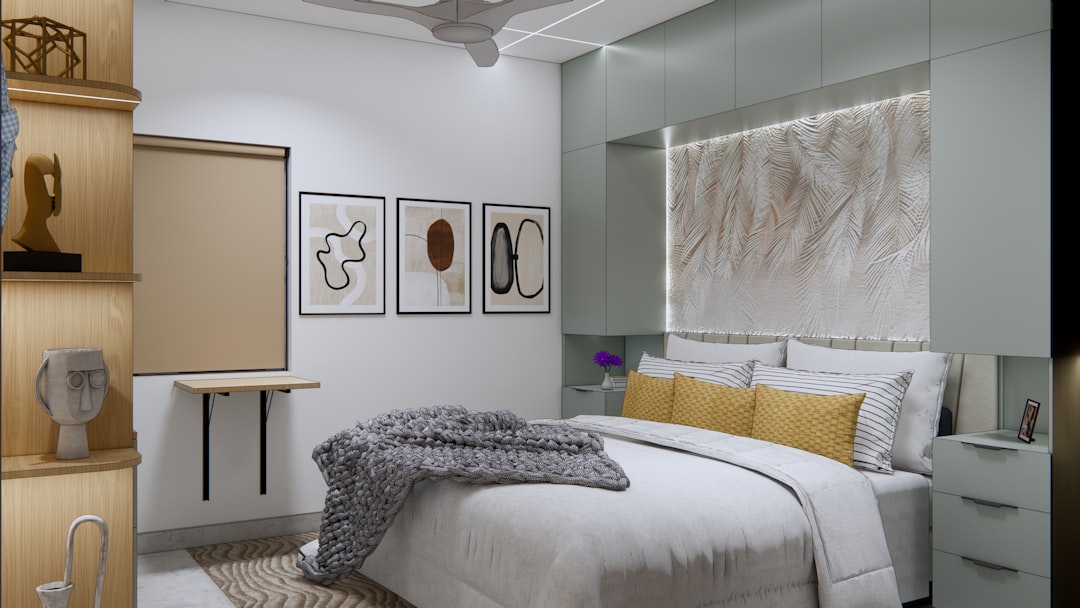
You've got one room and about three things you'd like it to be. Maybe it's a bedroom for guests but also your home office. Maybe the kids need space to play but you seriously need somewhere to sort laundry that won't take over the whole house. That's where dual purpose rooms save the day. The trick isn't just squeezing more in. It's making every inch count without your home feeling like a storage closet.
What Exactly Is a Dual Purpose Room?
A dual purpose room is a space that pulls double dutythink bedroom and office, playroom and guest room, even dining room and living room. Instead of keeping areas separate for each activity, you combine them in smart ways. These rooms aren't just for small homes either. They're great for anyone who likes their space to work harder and feel more open.
- dual purpose rooms cut clutter
- They help you save money (no need for more furniture or renting a bigger place)
- They let you adapt as needs changetoday it's an office, next year it's a nursery
If you've ever moved the coffee table out of the way for a yoga class, you're already on the right track.
How Do You Plan a Multifunctional Room?
Start by asking what you need most from your space. Do you work from home but also need a chill spot to relax? Maybe you need a creative zone but also a place for guests. It's all about priorities. Once you know what you want, you can start looking at space saving ideas that actually fit your life.
- Think about daily use. What happens in this room most?
- Pick the bigger purpose to anchor your design
- Identify moments when the room needs to switch roles fast
Don't stress about getting it perfect right away. Most multifunctional rooms take trial and error. You'll move things around a few times before it really clicks.
Smart Space Saving Ideas That Actually Work
Some solutions get a lot of hype but don't do much in real life (no one wants to sleep on a rock-hard futon). Here's what people swear by when designing flexible living spaces:
- Murphy beds that pull down for sleep and tuck away to reveal storage or a desk
- Sofas that convert into real beds (look for thicker mattresses)
- Desks that fold into the wall or double as dining tables
- Shelving with hidden drop-down work surfaces
- Ottomans with storage inside for blankets, pillows, or gear
The best part? These small space solutions don't have to be expensive. Sometimes adding wheels to furniture or just swapping out a giant couch for two comfy chairs can open up the room in ways you never expected.
Common Mistakes People Make (And How to Dodge Them)
If you're new to room design, it's easy to fall into some traps:
- Trying to make every corner do too muchleave some breathing room
- Buying bulky furniture meant for one use only
- Not enough outlets or light for both activities
- Letting clutter creep back in so the room's never ready to switch
The fix? Start simple. Pick versatile furniture, stick to a light color scheme that bounces light around, and build storage solutions that hide stuff fast. If it's a guest room/office combo, make sure the office gear tucks away out of sight when guests are over.
Examples of Real-Life Dual Purpose Rooms
Here's how people make it work (even if their place is tiny):
- Turn a closet into a mini office (close the door at night and no one knows it's there)
- Use a trundle bed in the kids' room for sleepovers and pull it out as a play surface during the day
- Create a dining nook with built-in benches that open up for extra storage
- Run a tall bookcase as a room dividerbedroom on one side, living space on the other
It's a lot easier than it sounds. You'll probably try something, hate it, and move things around. That's part of the fun.
How Do You Keep a Dual Purpose Room From Feeling Too Crowded?
If you've ever felt boxed in by your own furniture, you're not alone. The key is editing. Keep only what you use often. Add mirrors to make the room feel bigger. Choose furniture with clean lines and legs, so air and light flow underneath. And never underestimate the mood boost from good lighting. Portable lamps or LED strips that change color can completely shift the vibe of a space in seconds.
Making Dual Purpose Rooms Work for Families
Homes with kids or shared spaces need some special tweaks:
- Use bins or baskets that slide under beds or sofas for toys and supplies
- Put up a curtain or bookshelf to divide work from play (makes clean-up easier too)
- Label storage so everyone knows where things go
- Encourage kids to help set up and put away their stufftakes the stress off you
Families who adapt with simple routines usually keep their spaces tidier, too.
When Small Space Solutions Go Wrong
Sometimes Pinterest ideas just don't work in real life. Maybe that chic folding desk feels flimsy, or the sofa bed you ordered online has a mattress you can feel every spring through. Don't feel badhalf of figuring out dual purpose rooms is trying, failing, and trying again. Return what doesn't fit. Ask friends what worked for them. Sometimes an old dining table works better as a desk than anything you saw in a catalog.
Quick Recap: Why Dual Purpose Rooms Are Worth the Effort
- Save money and space
- Make your home feel bigger
- Change the room as your needs change
- Add real value to your life (less clutter, less chaos)
Ready to create a dual purpose room? Pick one room. Choose the two most important roles it needs to fill. Start small. You'll tweak things as you go, but that's how real spaces work. The result is a home that fits younot the other way around.
FAQs About Dual Purpose Rooms
- What are the easiest dual purpose rooms to set up?
The easiest combos use what you already have, like a guest room with a fold-out bed and a desk for work. Living rooms can double up as playrooms or home gyms with a few tweaks. Start with spaces you spend the most time in and look for furniture that moves or folds away easily. - How do I choose furniture for a multifunctional room?
Pick pieces that serve more than one purpose, like beds with storage drawers, tables that expand, or sofas that turn into beds. Light-weight furniture is best because you can move it around. Avoid things that are hard to fold up or push aside when you need more space. - Can I create a dual purpose room in a small apartment?
Absolutely. Small spaces are perfect for this. The key is smart layout and picking furniture that can hide away or serve two jobs. Use vertical space for shelves and try to keep the floor as open as possible. Mirrors and light colors also help the space feel bigger. - What's the best way to keep a room organized when it has two purposes?
Storage is your friend. Use bins, baskets, and hidden compartments. Put things away as soon as you're done with them. Label storage if you share the space. The less stuff that's hanging around, the easier the room can switch roles when you need it to. - Do dual purpose rooms hurt a home's value?
Nope. Most buyers love seeing creative ways to use space. Multifunctional rooms show your home can adapt to different needs. If you're selling, you might want to set the room up for its original use, but for living day-to-day, flexibility only adds to your home's appeal. - Are there quick fixes for making a room more flexible?
Yes! Try rolling carts for supplies, curtains to divide spaces, or swapping a fixed table for one on wheels. Even just clearing out extra stuff can make it easier to use the room in new ways.










