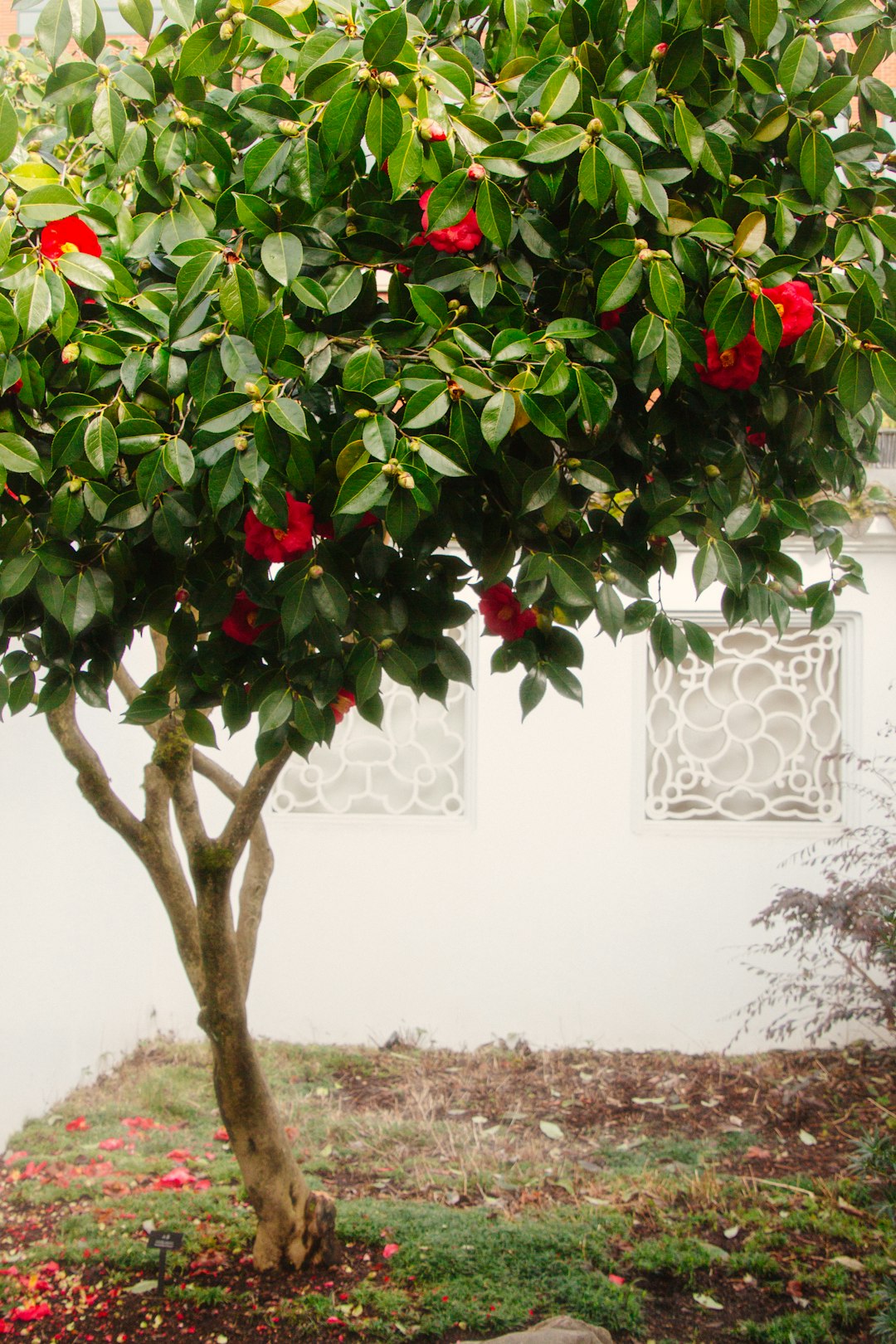
Living in a small place doesn't mean you have to give up on having a great garden. I know what it's like to look at a tiny backyard or balcony and think, 'What can I even do here?' Here's the good news: you can make any space feel like an oasis if you've got a clear plan and aren't scared to get your hands dirty. In this guide, you'll find loads of small garden ideas that actually work for real peopleno landscaping degree required. You'll learn smart tricks for bringing green life into the tightest corners, turning awkward spots into inviting places you want to hang out in, and avoiding the mistakes everyone makes with tiny garden design.
Why Bother With a Small Garden?
First, let's bust a myth: small gardens aren't a waste of time. They're easier to maintain, cost way less, and can deliver insane amounts of personality. Plus, you'll be surprised at how much you can groweven herbs, veggies, and flowersall in a few square feet. For city folks or anyone with a patch of patio, the right small garden ideas can give you a daily boost. Imagine making your morning coffee surrounded by fresh greenery, even if your yard is the size of a parking spot. The best part? There's less weeding, less watering, and way more satisfaction.
What Works Best in Tiny Garden Design?
The main thing with small spaces is using every inch. Think up, not out. Vertical gardening is a total game changer. Hanging pots, wall planters, and stacked shelves let you go big where the floor stops you. Choose plants that love living close to their neighborsherbs are top picks, but ferns and succulents are easy too. Another pro tip: keep your palette tight. If you stick to three or four colors, everything looks more put-together (and less chaotic for the eye).
- Choose light-reflecting plants and pale pots to bounce sunlight around
- Use mirrors as outdoor accents for an instant sense of space
- Layer different heightsshort, medium, tallto make your patch feel deep
- Mix edible and ornamental plants for both looks and snacks
Simple Space-Saving Gardening Ideas
Every space-saving gardening tip I share comes from actual trial and errorusually in places so cramped I couldn't stretch my arms out. The simplest hack? Multi-use items. Get a bench that stores tools, or pots that hook onto your railing and free up ground space. Planting in odd-shaped areas (like that weird triangle between your steps and the wall) can also give you extra room. Don't stress about symmetry; in small areas, an offbeat layout adds character.
- Try stacking pots to make a tiny herb tower
- Use lightweight containers you can move when light changes
- Go for dwarf or compact plant varietiesthey need less pruning
- Throw in easy-to-grow climbers like sweet peas or nasturtiums
How to Nail Small Backyard Landscaping Without Going Broke
You don't have to design like a pro to get it right; you just need a plan. Start with a sketch, even if it's on a napkin. Figure out the sunniest spots for plants that need lots of light (save shadier spots for leafy greens or ferns). If your yard is so small you can stand in one spot and touch all four sides, break things up visuallya low fence, some trellis, or even painted rocks can make the whole thing feel bigger.
- Divide your space into zoneschill spots, a veggie patch, or a mini flower bed
- Add a pop of color with outdoor cushions or painted planters
- Mix up floor surfaces (like grass and stone) to define areas
- Use gravel or bark chips where grass won't grow
The main mistake most people make? Overcrowding. Too many plants equals a mess. Go for fewer, larger pots instead of lots of tiny ones. This tricks your eye into seeing the space as more open.
What If I Have No YardJust a Balcony?
Urban garden tips are all about making the most of what you've got. Even with just a few feet, you can squeeze in real plants (not the plastic kind). Window boxes, railing-planters, and even hanging pockets turn boring walls into living green art. Use folding furniture so you can actually sit down out there. Lighting matters toosolar string lights make any space feel special at night.
- Grow herbs in shallow window boxes; they don't need deep soil
- Add a dwarf citrus tree in a pot for scent and color
- Hang planters down the side walls for vertical color
- Mini raised beds work if your balcony can take the weight
You don't have to fill every inch; a couple of well-placed plants go a long way.
Dealing With Common Tiny Garden Headaches
Alright, not everything is as easy as it sounds. Small gardens dry out fasterexpect to water more in summer. If drainage is bad, pots can turn swampy and roots rot. Sometimes shade from tall buildings wipes out plants fast. The fix? Pick the right plants for your light and climate (ask your local nursery if you're unsure). And always check that your containers have drainage holes. If you fail the first time, don't beat yourself up. Everyone has one plant that bites the dustit doesn't mean you're bad at this.
- Start small; you'll learn what works (and what doesn't)
- Don't forget regular feedingpotted plants eat up nutrients quick
- Change your layout as you learn; nothing's set in stone
- Group plants with similar water needs to keep it simple
Easy Actions You Can Take Right Now
If you're fired up and ready to start, here's what to do today:
- Pick one small areaa step, corner, or shelfand clean it up
- Choose 2-3 plants you love and buy them (start with herbs or compact varieties)
- Find containers that fit your space; don't overthink it
- Lay them out, rearrange, and see what feels right
Small garden ideas work best when you start with what you have and add slowly. Momentum builds fast. You'll seeby next week, you'll probably want to add more.
FAQs
- Q: What's the best plant for small gardens?
A: Herbs like basil, mint, or thyme are great because they're easy, stay small, and can be used in your cooking. Dwarf varieties of flowers or shrubs also work wellask at your local store for ones that don't grow huge. - Q: How do I make my tiny garden look bigger?
A: Use mirrors and bright pots to bounce light around. Stick to a few colors and mix plants of different heights to trick your eye into feeling more space. Keeping it tidy helps make any area feel bigger, too. - Q: Can I grow veggies in a small garden?
A: Absolutely! Try compact or dwarf types of tomatoes, peppers, or lettuce. Use deep containers for roots and give them a spot with at least six hours of sun. You won't grow a full farm, but you'll get fresh snacks, for sure. - Q: What are the easiest compact garden solutions for renters?
A: Pick portable pots and railing plantersthey won't mess up your space and you can take them with you when you move. Hanging baskets or fabric pockets also add green without any digging required. - Q: How often should I water a small garden?
A: Potted plants dry out faster than garden beds. Check them daily in summer. Stick your finger in the soilif it feels dry, give some water. In winter, every few days is usually enough. - Q: Do small gardens need fertilizer?
A: Yes, because plants in limited soil use up food fast. Get a simple liquid feed and use as directed. Feeding every couple of weeks keeps your mini garden lush and healthy.
There's no perfect formula, but starting is the key. Try one or two of these approaches and see how your space feels. The best thing about small gardens? You get fast resultsand plenty of reasons to step outside for a breather. Even the tiniest patch can bring a little joy to your day.