Most people see garbage and think, 'What a mess.' But what if that mess could actually make you money? That's the heart of sustainable waste management. It's not just about tossing stuff in the right bin. It's about making the most out of what we throw awaysaving cash, helping the planet, and sometimes even bringing in extra income. Curious how? Let's dig in.
What Does Sustainable Waste Management Really Mean?
Sustainable waste management means treating trash as a resource, not a burden. Instead of just dumping everything in a landfill, you break down waste into things you can recycle, reuse, or even sell. It's all about keeping materials in use as long as possible, using less energy, and wasting less.
- Sorting trash so recyclables don't end up buried forever
- Turning scraps into something new, like compost or fuel
- Cutting down on single-use items as much as possible
- Following a circular economykeeping stuff in the loop
Why bother? It pays off. You spend less on trash collection, earn from recyclables, and often keep your place cleaner and safer.
Is Waste Really Worth Money?
Sounds wild, but yep. Waste can actually be valuable if you play it smart. Here's where the profit shows up:
- Recycling: Cardboard, plastic bottles, and even old electronics can be sold to recycling centers.
- Composting: Food scraps and yard waste turn into soil that gardeners and farmers will buy.
- Waste to energy: Some companies pay for certain waste they can turn into electricity or heat.
- Upcycling: Crafty folks make wallets from chip bags or tables from old pallets and sell them.
One small business owner saved hundreds each month by selling flattened cardboard boxes and donating used coffee grounds to local gardens (less trash pickup, more kudos from customers).
What Are The First Steps to Set Up a Sustainable Waste System?
It doesn't have to be complicated. Start basic and build up:
- Audit your wastesee what you actually throw out each week
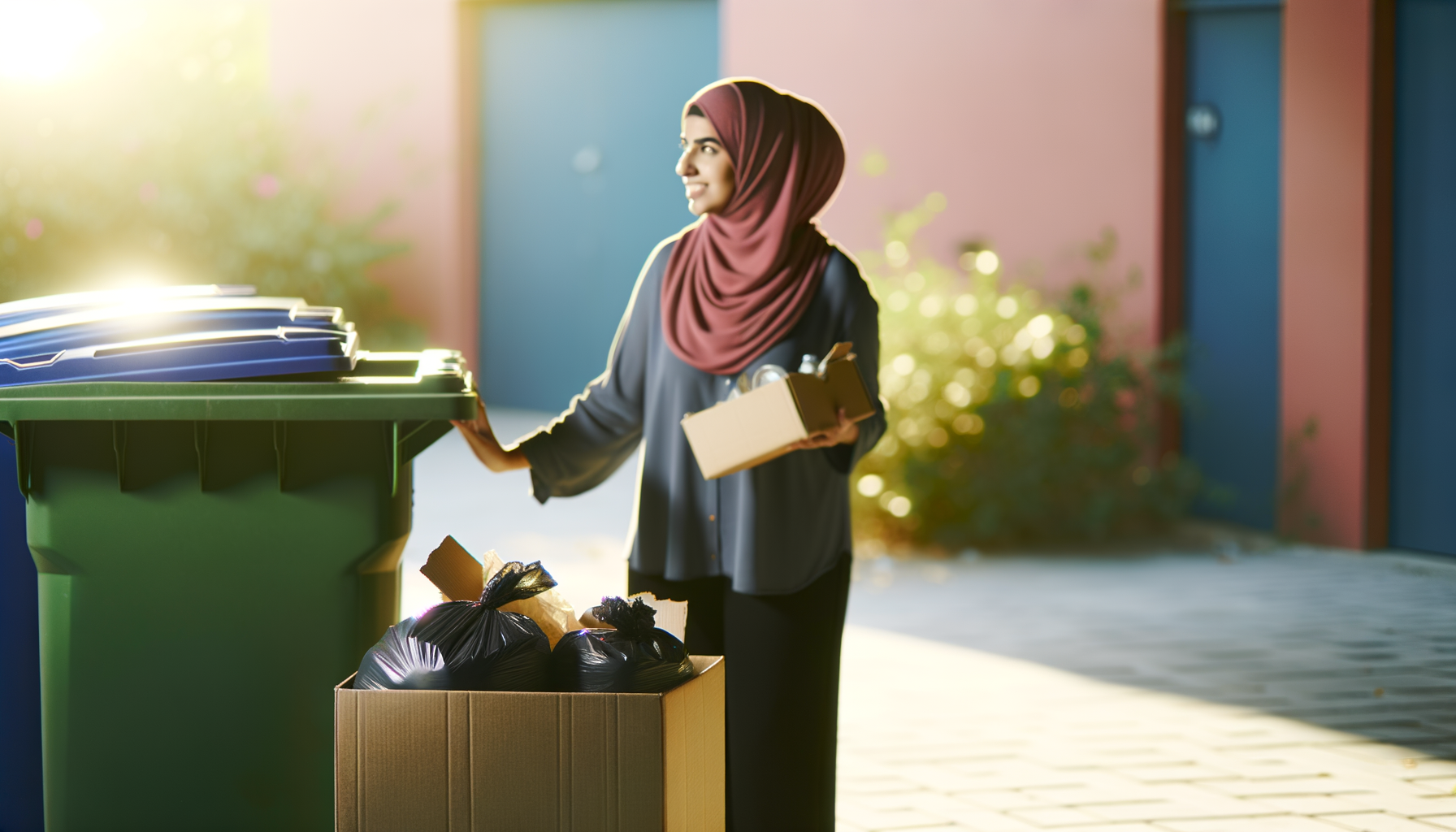
- Set up separate bins for recyclables, compost, and trash
- Learn what your city or hauler will pick up (every place is different)
- Find local buyers for recyclables, scrap, or food wastemany exist!
- Educate your team or family with clear signs and short how-tos
Avoid jumping in and buying fancy bins or tech until you know your actual needs. Most people start way too complicated and lose motivation.
Where Do People Mess Up Most with Waste Management?
Almost everyone makes these mistakes at the start:
- Mixing up recyclingputting dirty pizza boxes or plastic bags in the bin
- Putting the wrong items in compostmeat, dairy, or greasy food mess things up
- Not checking local rulesevery hauler sorts trash differently
- Trying to do everything at onceburnout happens fast
It's normal to miss things at first. The key? Fix mistakes fast and keep it simple. One change at a time is easier to stick with.
How Does Waste to Energy Fit In?
Waste to energy is all about turning trash into something usefulmostly electricity or heat. Big cities might have plants that burn trash to power homes. Smaller setups might turn food waste into biogas for cooking or heating. For most folks, this is more about getting food scraps or yard waste to local places that can use them wisely.
- Ask if your city has waste to energy plants
- Check if you can send food scraps to a local digester or farm
- See if you can use small composters or biogas kits at home or business
It's not for everyone, but it's a growing way to use trash with a purpose instead of just tossing it away.
What's The Point of a Circular Economy?
A circular economy is a fancy way of saying 'don't waste anything.' Instead of taking, making, and throwing away, you keep materials cycling through life. This might mean recycling, repairing, refilling, or reselling instead of tossing old stuff in the dump. The big win? Lower costs, less pollution, and sometimes, extra money in your pocket.
- Selling old electronics or donating clothes keeps stuff useful
- Refilling containers instead of always buying new ones
- Choosing things built to last, so you don't have to replace them so often
Every time you keep something out of the landfill, you're helping the planet and saving money.
How Does Resource Recovery Make a Difference?
Resource recovery means grabbing useful materials from the trash before they're lost for good. Aluminum cans, used motor oil, even food wasteif you recover these, you save cash and resources that would take lots of energy to re-make from scratch.
- Gather recyclables for cash payouts at local centers
- Collect cooking oil or batteries separatelythese are valuable or hazardous
- Compost food to sell or use in your own garden
One family saved on their grocery bill by swapping compost with a neighbor for homegrown veggies. Small changes like this add up and make life easier (and a little richer).
Easy Tips to Cut Your Own Waste
Ready to give sustainable waste management a shot? Start with these set-and-forget habits:
- Keep a scrap paper boxuse both sides before recycling
- Bring reusable bags and bottles everywhere
- Fix things before buying newYouTube DIY videos help
- Start a small compost bin on the balcony or in the yard
- Ask neighbors what they recycle or reuseideas spread fast
The trick is to make it easy. When it's simple, you'll stick with it, save money, and help cut down on landfill waste without it feeling like a second job.
Final Thoughts
Sustainable waste management isn't about giving up everything or making life harder. It's about looking at trash as a chancefor saving money, making a bit of profit, and helping out the planet, all at once. Start small. Change one or two habits this week. Soon, you might find your garbage isn't just garbageit's your new side hustle or simply a smarter way to live.
FAQs About Sustainable Waste Management
- What's the difference between waste reduction and recycling?
Waste reduction is about creating less trash in the first place (like using less packaging), while recycling means taking items you've already used and turning them into new things. If you cut waste early, there's less to recycle later. - Is waste to energy safe for the environment?
Waste to energy can help cut landfill use, but it depends on how it's done. Modern plants control their emissions, but burning certain materials isn't perfect. It's better than dumping everything, but not a magic fix. - How does composting help with resource recovery?
Composting breaks down food and yard waste into rich soil, which people can use for growing new plants or food. It keeps good stuff out of landfills and puts it back to work. - Do I need lots of space to recycle or compost at home?
Nope! Even a small apartment can sort recyclables, and tiny compost bins can fit on balconies or under the sink. Start small and see what works for your space. - Can businesses really make profit from waste recycling?
Yes, lots of businesses save on trash pickup costs and earn a little side income from recyclables or compost. Selling cardboard, metal, or even used cooking oil adds up over time. - What's the first habit I should build for better waste management?
Focus on one thing, like keeping recyclables separate from regular trash. Once that's easy, add composting or look for more ways to cut waste. One step at a time makes it stick.