Your garbage can tells a storyprobably not one you're excited about. Maybe you toss out coffee cups, food scraps, or plastic packages and then wonder where it all goes. Here's the good news: you can make real changes without overhauling your whole life. This article is packed with legit, doable tips about sustainable waste management, recycling, upcycling, and more. You'll go from tossing out trash to making smarter choices (and maybe even having fun with it).
What Exactly Is Sustainable Waste Management?
It's a fancy way to say 'handling your trash so it doesn't wreck the planet.' It's everything from tossing a plastic bottle in the right bin to turning old clothes into rugs. The main idea? Use, reuse, or return as much as you can without making more mess for nature.
Why Should You Care?
- If trash isn't handled right, it piles up in landfills and pollutes water and air.
- Better waste habits mean less pollution and healthier communities.
- It can feel goodturning something 'useless' into something helpful or fun.
I wont lieit sometimes feels pointless. But little changes add up, especially when your friends and neighbors notice and copy you.
How Do I Get Started With Recycling Methods?
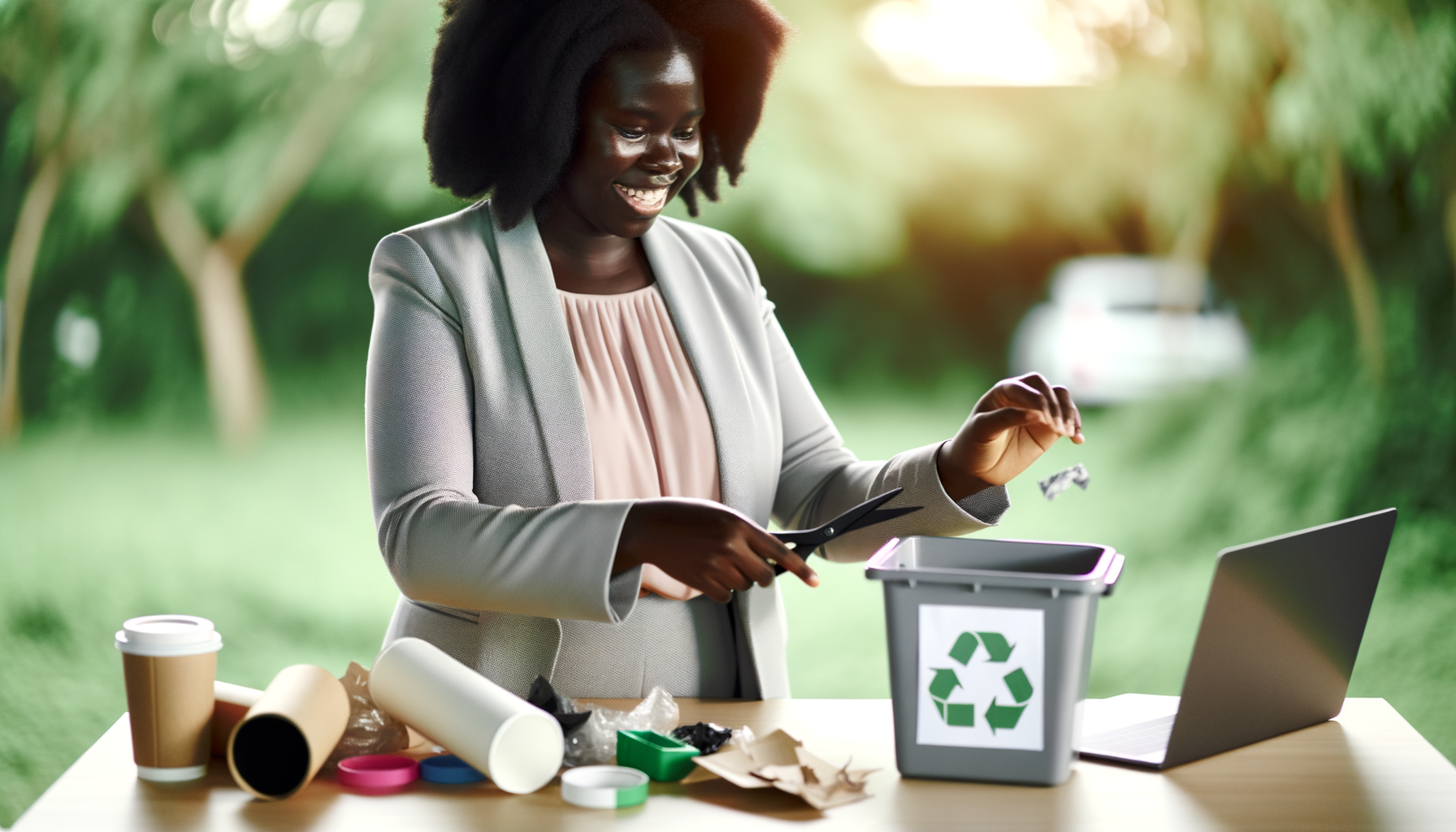
Recycling is more than tossing stuff in bins and hoping for the best. First, figure out what your city accepts (because not all plastics or papers are created equal). Clean things like yogurt cups before you toss them in. If your area offers curbside pickup, use it. If not, find drop-off spots for things like batteries or electronics.
- Wash containers before recycling them
- Break down cardboard boxes so they dont take up space
- Bundle newspapers and magazines without string (check local rules)
Common slip-ups? People throw greasy pizza boxes or glass in the wrong bin. When in doubt, look it upwish-cycling (hoping something is recyclable) just makes things worse.
What Are Real Ways to Reduce Waste Day-to-Day?
If you cut waste before it starts, you don't have to worry about where it goes. This can actually save you moneyfewer trash bags, fewer groceries wasted.
- Say no to things you dont really need (freebies, extra packaging)
- Use reusable totes, coffee cups, and water bottles
- Plan meals and use leftovers so food doesn't go bad
- Buy stuff in bulk to skip extra packaging
The first time I tried meal planning, I gave up after a few days. But once I got used to it, my fridge wasnt full of mystery boxes anymoreand my trash can shrunk.
Whats Upcycling? How Can You Try It?
Upcycling means turning 'junk' into something new and useful. You dont need special talent or fancy tools; creativity works better than cash here.
- T-shirts = reusable cleaning rags
- Glass jars = storage for nuts, bolts, or snacks
- Pallet wood = bookshelf or garden planter
- Torn jeans = quirky tote bag
Start simple: Pick an item thats about to hit your garbage. Google 'upcycling ideas'youll find plenty even if you're not the crafty type.
What's the Best Way to Handle Eco-Friendly Disposal?
Not everything belongs in your regular trash. Batteries, paint, electronics, and certain chemicals need special disposal. Find out what your local center accepts. Some stores collect old tech or lightbulbs. Composting is another eco-friendly waygreat for food scraps and yard waste, which turn into soil for your garden.
- Look for hazardous waste drop-off days
- Compost kitchen scraps if you can
- Never pour paint or oil down the drain
If you mess it up once, dont sweat itjust keep trying. Every little bit helps.
How Do Zero Waste Practices Fit Into Normal Life?
'Zero waste' can sound impossible, but it's not about being perfect. It's about sending less to the landfill, even if you start with small wins.
- Try refill shops for soap and cleaning products
- Choose products that last or can be fixed instead of tossing and buying new
- Keep a handy kit (fork, straw, napkin) for takeout or road trips
It's annoying when people act like you're doing it wrong if you use one plastic thing. Ignore them. Nobody is zero waste all the time, so do what you can and keep going.
What If You Slip Up? (And You Will)
Youll forget your tote bag, toss recyclables in the wrong bin, or buy stuff with too much packaging. It's normal. The goal is progress, not perfection. Every bit countseven teaching your kids or your neighbor helps spread the word.
- Make one change at a time
- Reward yourself for new habits
- Share what you learn with friends
One day you'll realize your trash can isn't overflowing, and you'll wonder why you didn't start sooner.
FAQs About Sustainable Waste Management
- What can I recycle if my city has limited options?
Stick with basics: glass bottles, aluminum cans, cardboard, and some plastics (like #1 and #2). If something can't go in your curbside bin, check if local stores or nearby towns have drop-off points for batteries, bulbs, or electronics. - How can I upcycle if I'm not crafty?
Start easy. Use glass jars for storage, turn old T-shirts into rags, or use egg cartons as seed starters. You don't need DIY skillsjust a willingness to repurpose instead of toss. - Is zero waste actually possible in real life?
Getting to zero is tough, but lowering your trash is doable. Focus on small wins: reusable bags, less packaged stuff, and composting. The goal is less waste, not a perfect record. - What do I do with food scraps if I can't compost?
If backyard compostings out, look for friends or neighbors who compost. Some cities offer food scrap drop-off points. Freeze scraps and drop them off when you get the chance. - Can I recycle things with food on them?
Nopedirty items (like greasy pizza boxes) mess up whole batches of recycling. Give containers a rinse before recycling or toss them in the trash if you can't get them clean. - Will all this actually help, or is it pointless?
It does helpwhen everyone makes small changes, big things happen. Plus, it feels good knowing less of your trash ends up sitting in a landfill for hundreds of years.
Start simple. Pick one change. Repeat it till it sticks. Your future selfand the planetwill be grateful you did.