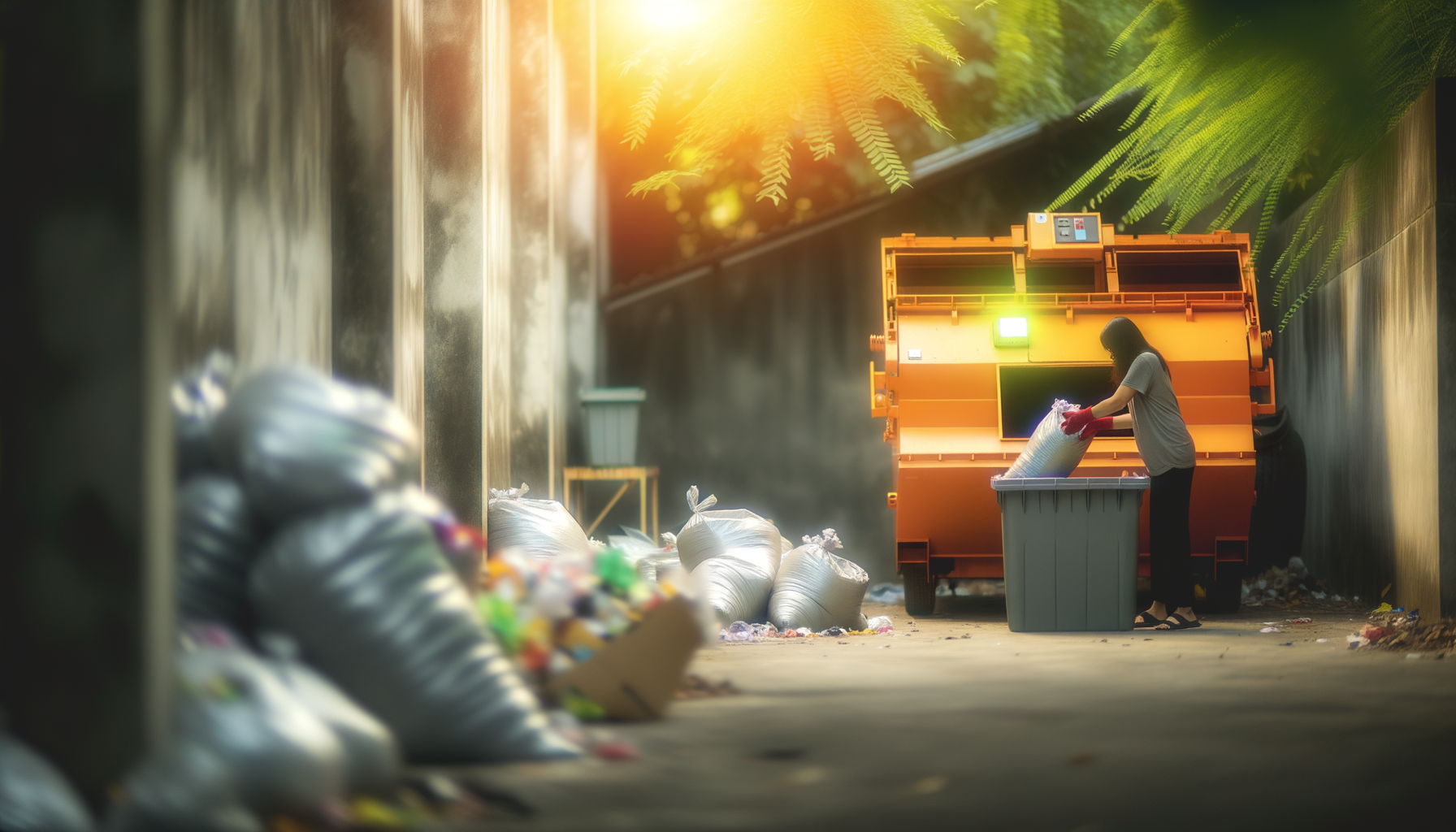
Your trash can says a lot about your life. Look insideare there mountains of packaging, tossed leftovers, maybe broken gadgets? It feels never-ending. Trash piles up at home, at work, everywhere. But what if most of it didnt have to be trash at all?
Sustainable waste management isnt about guilt. Its about looking at our mess differently and turning more of it into something useful, fun, or even valuable. That means less garbage, more savings, and a smaller footprint. Heres how regular people (like you, like me) can start making a real dent.
What is Sustainable Waste Management and Why Should I Care?
Sustainable waste management is a way of dealing with trash so it uses fewer resources, cuts down pollution, and gives new life to old stuff. Its like giving your garbage a second chance.
- Lowers pollution: Less junk in landfills means fewer nasty chemicals in soil and water.
- Saves money: Why buy more when you can reuse, upcycle, or recycle what you have?
- Makes life tidier: It feels better to have less clutter, even if you start small.
It matters because landfill space isnt endless. Burning or dumping trash releases toxins and wastes things that could have been reused or recycled. If you want a cleaner neighborhood (and planet), it starts with how you handle waste at home.
Where Does All Our Waste Go (And What Can We Do About It)?
Lets not sugarcoat it: Most trash ends up in landfills or gets burned. Even recycling isnt perfectlots of what you toss in the bin doesnt get recycled at all.
- Only about 30% of household waste is recycled in most places.
- Food scraps and yard clippings rot in landfills, creating methane (a super-strong greenhouse gas).
- Electronics, clothes, and broken toys? They clog dumps and take ages to break down.
Its a tough cycle. But every item you keep out of the trashby recycling, composting, or upcyclingmakes a difference.
Simple Ways to Start Waste Reduction at Home
Start with waste reduction before you even think about recycling. Less stuff coming in means less stuff to deal with later. Here are easy tricks:
- Shop smart: Buy in bulk to cut down packaging waste.
- Avoid single-use items: Use refillable bottles, bags, and containers.
- Think do I really need this? before adding anything to your cart.
- Cancel junk mail (it adds up fast in the recycling pile!)
Baby steps add up. Even dropping your weekly trash bag from two bags to one saves space, resources, and money.
How to Make Recycling Actually Work
Recycling isnt magic. Not everything with a triangle logo gets a new life. So how do you make sure your efforts count?
- Rinse containers: Food and oil ruin whole batches of recycling.
- Know whats accepted: Every towns rules are different.
- Avoid wish-cycling: Dont toss random stuff in the bin and hope for the best.
- Separate by type: Paper, plastics, and metals often get sorted at home.
When in doubt, check your local guide. And if you have items like batteries or old electronics, look for special drop-off days to keep those toxins out of the landfill.
Whats Upcycling and How Can You Try It?
Upcycling means turning old junk into something useful or coolwithout breaking it down all the way like recycling does.
- Paint glass jars for storage or gifts.
- Turn an old ladder into bookshelf art.
- Make planters from used cans or containers.
- Repurpose clothing into cleaning rags or bags.
The first time you upcycle, expect some mess-ups. Thats normal. But it can be fun, saves money, and you get something one-of-a-kind at the end. Invite friends or kids and make a project of it.
Resource Recovery: Getting the Most Out of Our Trash
Resource recovery goes beyond recycling or upcycling. Its about squeezing every bit of value out of waste before its thrown away. Think composting, donating, or finding ways to repair things.
- Compost: Turn food scraps into soil for your plants.
- Donate: Give working items to secondhand shops before trashing them.
- Repair: Sometimes your worn-out toaster just needs a new cord, not the dump.
Resource recovery can also mean supporting companies that use recycled materials in their products. The more we turn waste into new resources, the less new stuff we need to dig up or manufacture. Less waste equals less hassle (and pollution) for everyone.
Zero Waste Solutions: Is It Possible to Make No Trash?
The zero waste lifestyle sounds impossible, but its more about progress than perfection. The goal isnt literal zeroits about training yourself to throw away as little as you can.
- Use your own reusable bags, bottles, and straws.
- Swap paper towels for washable cloths.
- Buy secondhand when you can.
- Repair before replacing.
Its easy to get frustrated, especially when the world is set up for single-use everything. But little actions count, and they spread. If you cut your trash in half this year, thats a win. If you inspire a neighbor, thats double the impact.
Common Mistakes (And How to Fix Them Fast)
Mistakes happen. Dont let them stop you.
- Recycling dirty containers? Always rinse them out first.
- Tossing out stuff you could fix? Try YouTube tutorials before you give up.
- Feeling overwhelmed? Focus on one habit at a time until it sticks.
- Thinking your efforts dont matter? Remember, if nobody acts, nothing changes.
Catching yourself makes you part of the solution, not the problem.
How to Get Others Involved (Without Being Annoying)
You dont have to shout about sustainable waste management from the rooftops. Instead, show what works by example:
- Set up separate bins at home and explain what goes where.
- Share your favorite upcycling project with friends.
- Join or start a local cleanup group.
- Celebrate one small win, even if its just using less plastic this week.
Nobody likes a lecture. But sharing tips and making it easy helps others jump in without feeling like theyre being forced.
Quick Takeaway: Start Small, Win Big
Ready to try sustainable waste management for yourself? Pick one habit to work on this week. Maybe its recycling right, composting kitchen scraps, or shopping for less packaging. Whatever you choose, youre making a real difference. The less we waste, the more we all win.
FAQs About Sustainable Waste Management
- How do I recycle if my city doesn't offer a program? Many places have special drop-off points for items like paper, plastic, or electronics. You can store recyclables and take them once a month. Sometimes schools or stores run recycling drives, too. If all else fails, try to reduce what you buy that can't be reused.
- What's the easiest way to cut down on food waste at home? Start by planning meals and only buying what you'll use. Keep leftovers in clear containers so you see them. Freeze things you can't eat in time. Composting scraps is a simple step, even indoors, and helps turn waste back into useful soil.
- Can I recycle dirty pizza boxes? Cardboard soiled with oil or food usually can't be recycled. The clean tops can go in the bin, but the greasy bottoms should go in the trash or compost. Always check your town's rules to be sure.
- Is upcycling better than recycling? Upcycling is often better because it skips the energy and water needed for recycling. You turn old things directly into new items. But both help reduce waste. Try both and see what fits your style and skills.
- How does sustainable waste management help the planet? It cuts down on landfill use, saves resources, and reduces pollution from making new stuff. When peple recycle, upcycle, and compost, less trash pollutes the environment. These small habits help keep air, water, and land cleaner for everyone.
- Is zero waste possible for families? It can be tough, but every bit counts. Start simplechoose reusable bags, avoid single-use packaging, and recycle what you can. Involve the family, make it a challenge, and celebrate progress together. Nobody gets to zero overnight, but cutting waste in half is already a big win.