Most of us toss stuff out without thinking twice. Plastics, old toys, broken gadgets, chip bagsthey end up in landfills or worse. You know the drill: it's not eco-friendly, and guilt creeps in every trash day. But what if you could flip the script? That pile of junk might actually help you save money, start a side hustle, or even help your community. This guide isn't about fancy zero-waste living. It's about waste to wealth with non eco materials, turning the stuff that's hard to recycle into something useful or valuable. We'll keep it real, skip the lecture, and give you ways to start smalleven if you hate sorting bins.
What Counts as Non Eco Materials, Really?
Not all waste is created equal. 'Non eco materials' usually means things that don't break down easily or can't be tossed into your citys usual recycling. Think items like:
- Plastic wrappers and thin bags
- Styrofoam containers and takeout packs
- Old electronics and cables
- Non-biodegradable toys
- Mixed-material packaging (like chip bags with foil)
Why does it matter? Most of these sit in landfills forever. And that creates problems for your neighborhood, your wallet (yepwaste costs money), and the planet. Learning about recycling non eco materials or reusing them is the first step to handling them smarter.
Can You Really Turn Trash Into Cash?
This sounds like another internet myth, right? But people are cashing in all the time by turning waste into resources. Upcycling non biodegradable waste means giving those 'junk' items a new purpose instead of sending them off to rot. It doesn't mean opening a massive factory. Heres how regular folks do it:
- Making crafts: Colorful plastic bags become woven baskets or mats
- Building furniture: Old wooden pallets turn into bookshelves or tables
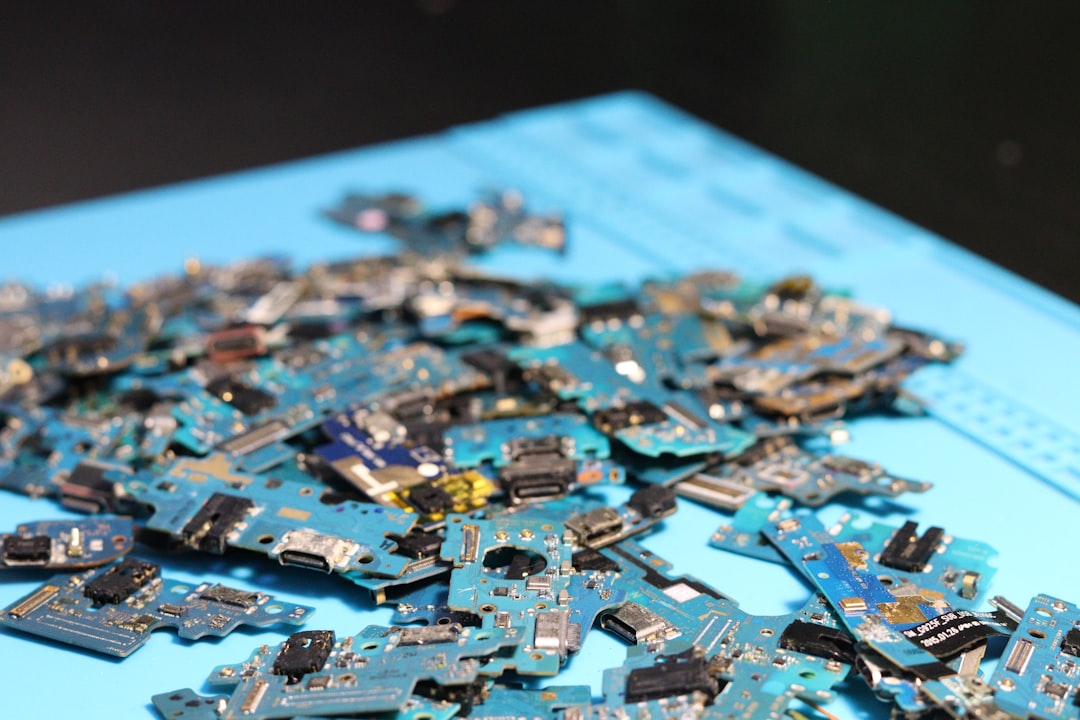
- Parts resale: Pull microchips or metal bits from broken electronics to sell
- Creative art: Sculptures made from bottle caps or wrappers
- Garden hacks: Use plastic containers as planters or seed starters
The point? Even tiny changes add up. You might not get rich, but youll cut clutter and might pocket a little extra cashor at least save money youd have spent elsewhere.
How to Start Upcycling Non Biodegradable Waste at Home
Feeling stuck on what to do with all this stuff? Heres a simple way to get started with upcycling non biodegradable waste:
- Pick one problem itemold plastic bags, wires, whatever annoys you most
- Look online or ask around for ideas (like Facebook groups or community boards)
- Try one easy project: No need to be an artist. Even tying plastic bags into rope for the garden counts
- Share or sell what you makelemonade stands for crafts are totally a thing
My first try at upcycling ended with glue everywhere and a wobbly plant pot. It didnt win any beauty contests, but it held dirt and grew a flower. Its not about perfection; its about trying.
What About Recycling Non Eco MaterialsIs It Worth the Hassle?
You might ask, 'If my city doesnt recycle this stuff, why bother?' Thats fair. But some programs, stores, or local recycling drives collect weird items: electronics, Styrofoam, batteries. Check community bulletins or local hardware storessometimes they take things nobody else wants.
Another route: bundle useless stuff with something valuable. For example:
- Offer leftover packing peanuts to small businesses that ship stuff
- Bundle old chargers with working electronics you donate
Managing non eco-friendly waste this way takes a little effort, but it pays off. Less to landfill, more mental space, and sometimes you even help a neighbor.
Common Mistakes: Why Your Upcycling Or Recycling Fails
Trying to reuse non eco materials can go sideways. Here are a few stumbles most people hit:
- Mixing dirty or food-covered plastics with clean scrapsthese cant be reused
- Chasing huge projects before trying anything simple
- Getting hung up on perfect resultssometimes stuff looks weird and thats okay
- Not checking if theres actually a need for what you make (like dozens of plastic bag jump ropes no one wants)
Tip: Start small. Aim to fix one thing or cut one bag of trash a month. It feels way better and sticks longer than trying for eco-hero status overnight. Celebrate the weird stuffevery use counts.
How to Get Neighbors and Friends on Board
It's way easier to keep at it if you're not the only one. People love friendly competition and free stuff. Try these:
- Host a swap partytrade unused items before tossing them
- Organize an 'odd waste' drop-off day for electronics or plastics
- Challenge friends to a 'least trash' weekwinner gets coffee
- Show off your upcycled projects, for laughs or pride
It turns hassle into a habit. Plus you get bonus points for creativity (and less clutter in your life).
What Does Turning Waste Into Resources Look Like Long-Term?
Is it worth it if youre not running a recycling center? Definitely. Over time, even simple changes can help:
- Save money by reusing containers, scraps, and even wires
- Cut the guilt of trash piles growing each week
- Set an example for kids or neighbors (starts a ripple effect)
- Maybe earn a little selling crafts, parts, or tools
Its not about being perfect; its about getting creative with what you already have. Turning waste into resources is a mindset shiftsmall wins add up, and you might be surprised what others pay for junk.
FAQ: Waste to Wealth with Non Eco Materials
- Can I recycle non eco materials at home?
Most non eco materials like wrappers or Styrofoam aren't easy to recycle at home. Some can be reused for crafts or storage, but for real recycling youll usually need special drop-off spots or community programs. Start by separating what your local center will take and look up options for the rest. - How do I upcycle non biodegradable waste if I'm not crafty?
You dont need to be an artist. Start simple! Use plastic containers to store small parts, make drawer organizers from old boxes, or turn jars into planters. Even simple swaps help keep stuff out of landfills and save money on buying new things. - Whats the easiest way to reuse non eco materials?
Look at what you throw out most oftenbags, bottles, wires. Collect them, give them a quick clean, and use them for tasks around the house like organizing things or keeping plants watered. The best reuse is whats simple for you, no need for fancy skills. - Is there any money in recycling non eco materials?
Sometimes, yes. Scrap yards or special buyers might pay for metals, electronics, or certain plastics. More often, you save money by reusing or selling homemade crafts, garden tools, or storage containers. Check local groups for buyers or trading opportunities. - What do I do with stuff nobody wantslike broken toys or Styrofoam?
If you cant repair or upcycle it, check if your city hosts special waste events. Some packing stores accept Styrofoam, and some charities take parts from toys for repairs. As a last resort, break them down to take up less space in the trash. - How can I get my family to help manage non eco-friendly waste?
Make it funset up a game or contest for most creative reuse, or let kids build with boxes and bags. Show how it helps save money or creates cool new things for the house. Small rewards and friendly challenges work better than lectures!
Ready to start? Pick one non eco material in your home this week and find it a new job, no matter how simple. Every tiny step mattersand who knows, you might discover a hidden skill (or side gig) along the way.