Think about how much plastic you toss out every week. Grocery bags, food containers, bottlesit's everywhere. Now, what if you could do more than just feel guilty about the pile? With sustainable plastic solutions, you can. This isn't about giving up convenience or living off the grid. It's about smarter ways to handle what we're already using, so it doesn't end up choking rivers or floating in the ocean. By the time you finish reading, you'll know how to cut your plastic waste, choose better products, and actually make a dent in the problem without feeling like you're climbing a mountain.
So, What Are Sustainable Plastic Solutions?
These are ways to make, use, and reuse plastic that don't wreck the planet. It's about plastics that break down faster, recycling programs that work, and swapping out the single-use stuff for smarter choices. The idea? Keep plastic in the loopnot in the landfill.
- Biodegradable plastics: Break down naturally with help from sunlight or bacteria.
- Eco-friendly plastics: Made from plants, old bottles, or even food waste.
- Efficient recycling: Turning used items into new things instead of more trash.
- Smarter waste management: Sorting and collecting better so recyclable stuff actually gets recycled.
- Circular economy: Design stuff to be reused, fixed, or recycled forever.
Why Do Sustainable Plastics Matter So Much?
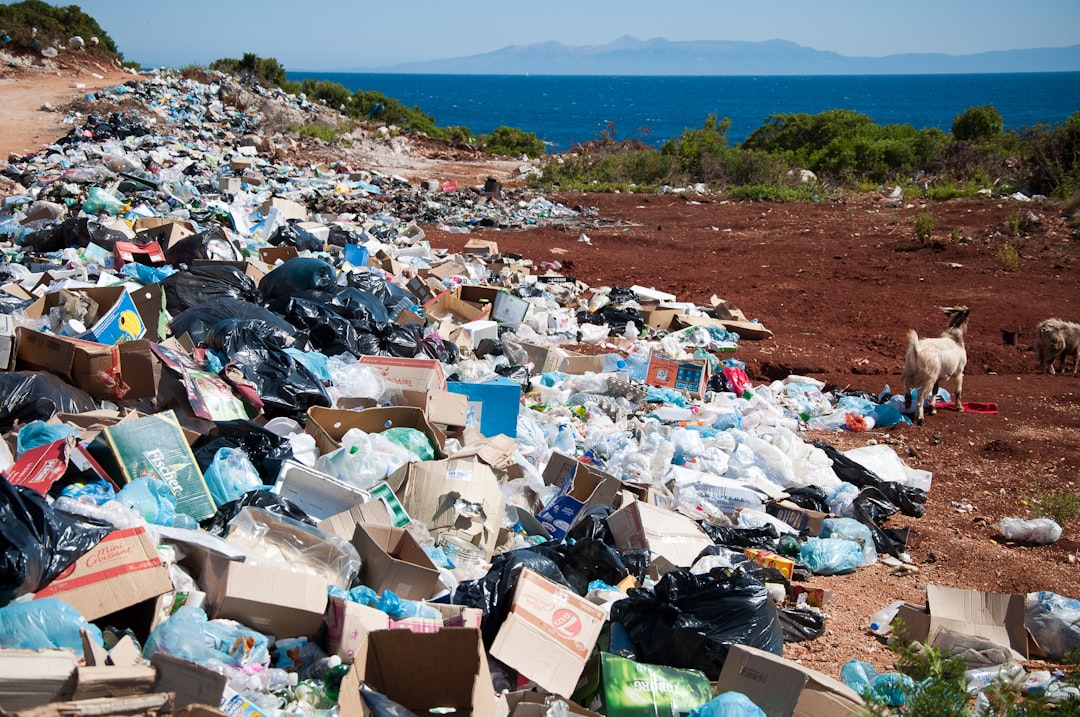
If you care about cleaner air, fresher water, and less trash in your neighborhood, this is your fight too. Normal plastics last forever, clogging up landfills and polluting oceans for centuries. The impact is huge:
- Animals eat or get tangled in plastic waste.
- Microplastics end up in our food and water.
- Recycling rates stay low when plastic types can't be sorted or reused.
- Communities pay more to clean up the mess.
Switching to eco-friendly plastics and better recycling keeps that junk out of the environment. Less pollution, more value from what we already usewhat's not to like?
How Can You Use Sustainable Plastic Solutions at Home?
You don't have to overhaul your life overnight. Start small, and build from there. Here are simple ways to add sustainable plastic solutions into daily routines:
- Pick biodegradable bags for groceries and yard waste.
- Choose products in recyclable or compostable packaging.
- Sort your recyclables (clean and dry!) to help local recycling centers out.
- Try reusable food storage (glass, metal, or bambooit all counts).
- Check your citys plastic recycling rules so you dont wishcycle.
Even if you mess up (everyone tosses the wrong thing sometimes), just fixing one habit is better than nothing. Every bottle or bag you keep out of a landfill matters.
Biodegradable Plastics: Are They Really the Answer?
Lots of brands push things like corn-based cups or bags that "break down." But do they really? Sometimes, you need high heat (like in special compost facilities), and if they end up in a regular landfill, they still might stick around for years.
- Read the labeltrue "compostable" stuff should say where it breaks down best.
- Don't assume "biodegradable" means magicsome products work only in the right setting.
- For most homes, regular plastic recycling is still easier and better.
The lesson: Use less plastic overall, not just "greener" plastic. And if you're using biodegradable, make sure your local composting center takes it so it doesn't go to waste.
Is Plastic Recycling Worth It?
Short answer? Yes, but it could be better. Most places only recycle certain plastics, and the rest ends up in the trash. That's why knowing your city's recycling rules is half the battle.
- Clean containers (cans, bottles, jars)food mess can ruin a whole batch.
- Don't toss plastic bags in the binthey jam the machines, but stores often take them back.
- Sort by number if your city asks for it (check for the triangle with a number).
- Avoid "wishcycling"if you don't know for sure it can be recycled, check first.
Doing recycling right means more plastic actually gets a second life as a park bench, carpet, or even a fresh water bottle. When everyone chips in, it really does add up.
Common Mistakes That Trip People Up
- Thinking biodegradable means you can toss it anywhere.
- Mixing dirty food containers in with other recyclables.
- Putting plastic bags in curbside bins instead of returning to stores.
- Ignoring local rules and hoping for the best.
- Buying "eco" plastic without checking if it's really better.
We've all done some of these. Fixing just one or two will help the whole system work better. Nobody's perfectand you don't have to be.
Is the Circular Economy the Future of Plastics?
Think of a circle. In a circular economy, stuff gets used, collected, recycled, and turned into something elseover and over. No more single-use. No more 'use once, toss forever.'
- Design products so all parts can be reused, fixed, or recycled.
- Businesses take products back when you're done.
- Communities set up swap days and repair cafes.
- Producers use waste from old products to make new ones.
It sounds simple, but it needs people, companies, and cities to work together. Every step closer means less waste, fewer microplastics, and a cleaner world for everyone.
Frequently Asked Questions
-
Q: What makes plastic 'sustainable'?
A: Sustainable plastic is designed to either break down safely or be used again and again. That means it wont pile up in nature or landfills for hundreds of years. Its made from renewable stuff, recycled material, or in a way thats easier on the planet. -
Q: Can every type of plastic be recycled?
A: No, not all plastics can be recycled. Only certain oneslike bottles and containers with specific numberswork with most city systems. Items like straws, bags, and some wrappers often cant be recycled in regular bins. Always check local rules. -
Q: Are biodegradable plastics always better?
A: Sometimes, but not always. Biodegradable plastics need the right conditions to break down. If they go in a landfill or regular trash, they can last a long time anyway. Unless you have access to proper composting, still try to reduce plastic overall. -
Q: What is the circular economy for plastics?
A: It means keeping plastic in use and out of the trash by reusing, repairing, or recycling it forever. Nothing is wasted. This helps save resources, reduce pollution, and cut down on the need to make new plastic. -
Q: How can I tell if a plastic is eco-friendly?
A: Look for labels saying its made from recycled or plant-based stuff, or is compostable in industrial facilities. Be carefulsome products claim to be eco-friendly when they arent much better. Double-check with your citys recycling or compost rules. -
Q: What's the easiest way to start living with less plastic?
A: Start with one thing: bring a reusable bag or bottle everywhere. Swap single-use containers for ones you can use again. Small steps add up fast, and youll soon find more ways to cut out plastic.
If you remember nothing else, just know this: Even one small switch in how you handle plastic at home can spark real change. Try one step this week. Nobody fixes the planet in a day, buttogether, we can start making waste a thing of the past.