If your backyard feels a bit tiredor you just keep losing the tomato war to squirrels and bugsyou're not alone. Most gardens start with hope and end up as a patch of wilted plants, wasted money, and more plastic bags of mulch than you can count. Sustainable gardening flips that story. You don't need a giant plot or fancy tools. This is about smarter, not harder. You'll save water, cut costs, help the planetand actually get more out of your garden. Stick around, and you'll walk away with simple stuff you can try this weekend to make your space happier, healthier, and genuinely green.
What Is Sustainable Gardening, Really?
Sustainable gardening means growing plants so you help the earth instead of pushing it to the edge. It's using fewer chemicals, saving water, and feeding the soilso each season gets easier, not harder.
- Eco-friendly gardening: Avoiding stuff that hurts bees, birds, or the soil.
- Organic gardening: Skipping synthetic sprays and feeding plants naturally.
- Water-saving: Caring about every drop, not just the bill.
- Permaculture: Planning so everything works togetherkind of like a team sport for your yard.
- Natural pest control: Outwitting bugs without nuking everything with poison.
Why does it matter? Most gardens gobble up resourceswater, fertilizers, plastic, and time. A sustainable approach works with nature, so you build up the soil instead of wearing it out. Bonus: your garden is cheaper to run and easier to manage year after year.
How Can You Start Sustainable Gardening Without Getting Overwhelmed?
The first time I tried going green in my garden, I overthought everything. You don't need to go all-in right away. Try one or two changes and see how it feels. Here are simple ways to start:
- Mulch like you mean it: Lay down a thick layer (wood chips, straw, even leaves). It naturally stops weeds and keeps water in the soil.
- Grow what works where you live: Native plants are easierthey've already figured your local weather out. Less effort for you, less water needed.
- Save rainwater if you can: Even a small barrel makes a difference if you're watering by hand.
- Compost what you can: Toss veggie scraps, coffee grounds, and leaves in a pile and let them rot. You get free food for your plants and less trash in landfills.
It's normal to mess up. Your compost might smell, or you might kill a native seedling. Try, laugh, and keep tweaking.
What's the Real Deal with Organic Gardening?
Going organic isn't just about skipping chemicalsit's about paying attention. You're feeding the soil first because healthy soil grows healthy plants. That means:
- Using compost, worm castings, or manure instead of store-bought fertilizer
- Catching pests early so you don't need spray chemicals
- Rotating crops so diseases don't stick around every year
The hard part? Organic gardening can mean slower fixes. You can't wipe out a bug swarm overnight. But, the payoff is tastier veggies, safer herbs, and a garden that bounces back, season after season.
Water-Saving Tricks That Don't Feel Like a Chore
If your water bill scares you every summer, you're not alone. Saving water isn't just about the moneyit's about making sure your plants get what they need without wasting resources. Heres what works:
- Water early or late: Less evaporates, so more soaks in.
- Group thirsty plants together: Keep plants with similar needs on the same drip line or in the same bed.
- Replace some grass with groundcover or mulchyou'll save hours and buckets.
- Use drip irrigation if you can swing it. It gives roots a slow, steady drink right where it counts.
Don't stress if you forget a day or twoplants are tough. Just pay attention and adjust as you go.
What Should You Know About Permaculture Gardening?
Permaculture sounds fancy, but it just means planning your yard so everything works together. Think of it like setting up a kitchen where every tool has its spot. The goal is less waste, less work, and more yield. Some ways to use it:
- Plant trees to shade your veggies so they use less water.
- Put your compost bin near where you prep foodeasy drop-off means youll actually use it.
- Mix flowers between veggies for natural pest control (and more pollinators).
Permaculture gardens grow themselves better every year. You won't get it perfect on the first try, but the little changes add up fast.
How Do You Handle Pests Without Wrecking Your Garden?
At some point, every gardener wants to blast bugs with the toughest spray out there. Problem is, you end up hurting helpful bugs, too. Natural pest control steps in with a smarter plan:
- Encourage heroes: Ladybugs, lacewings, and birds love snacking on pests.
- Handpick big bugsgross but weirdly satisfying.
- Spritz plants with simple solutions, like a mix of soap and water, for soft-bodied pests.
- Grow strong-smelling herbs (mint, basil, chives) nearby to keep bad bugs away.
It takes patience, but over time, your garden will have its own defense squad.
What Can Go Wrong With Sustainable Gardening?
Honestly? A lot. Heres what trips most people up:
- Trying to do everything at once: Start small and builddon't flip your whole yard in one weekend.
- Thinking going green means zero effort: You'll still pull weeds and water, but it's less work in the long run.
- Feeling bad over a brown thumb momentperfection isn't the point.
- Expecting instant resultsall gardens take patience.
Every mistake teaches you what works (and what to skip next year). Keep showing up and tryingyou'll get there.
How to Make Your Garden SustainableFor Busy, Real-Life People
You don't need to be outside every day or spend hundreds of dollars. Try these quick wins:
- Invest in a good watering wand or drip kit: It saves time and you look like you know what you're doing.
- Chunk chores into short bursts. Weed for 10 minutes while dinner's cooking. Compost takes 30 seconds to add to.
- Leave some 'mess': Dead leaves and sticks make shelter for bugs and birds.
- Celebrate every tiny winsunflowers that pop up, one perfect tomato. It all counts.
Remember, the point is to make things easier, not to add pressure.
FAQ: Real Answers for Sustainable Gardening
- Q: What are the easiest plants for sustainable gardening?
A: Start with native plants. They're built for your weather, so you'll water less and stress less. Herbs like thyme or sage also do great almost anywhere, plus you can eat them. - Q: Can I have a sustainable garden in a small space?
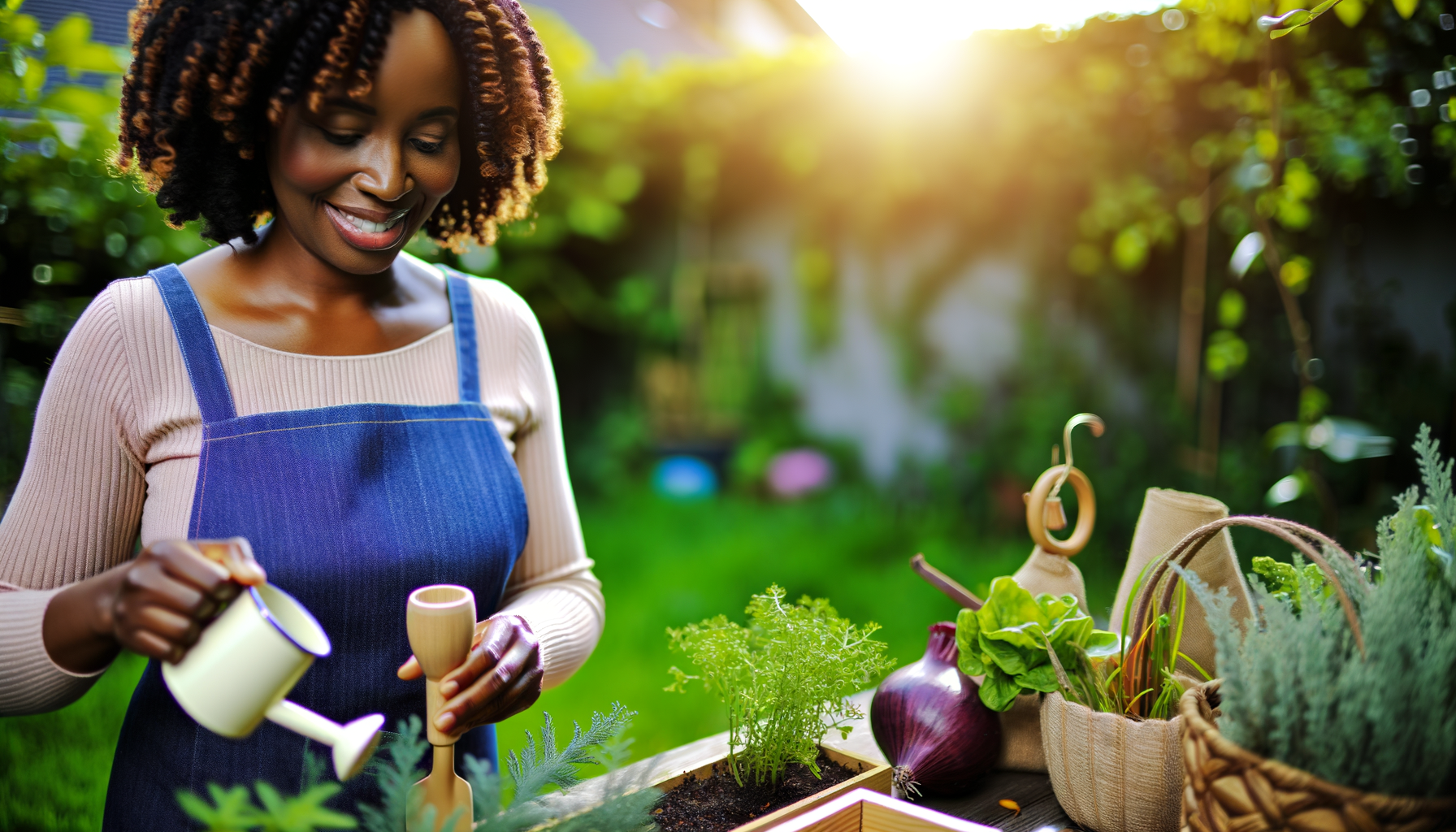
A: Absolutely. Even a few pots or boxes work. Choose compact veggies, like lettuce or peppers, and use good soil. Youll still save water and avoid chemicals. - Q: How do I deal with garden pests without chemicals?
A: Pick off pests by hand when you notice them. Attract birds or ladybugs to do the rest. You can also use a simple soap spray on leavesno special gear needed. - Q: Is composting really worth the effort?
A: Yes. Compost feeds your plants for free and helps your soil stay healthy. You only need a small bin or pile, and you can use food scraps youd throw out anyway. - Q: How much water do eco-friendly gardens need?
A: Less than you think, especially if you mulch and grow the right plants. Test the soil before wateringif its damp a couple inches down, youre good. Only water when needed. - Q: What's the difference between organic and sustainable gardening?
A: Organic skips chemicals, while sustainable also cares about saving water, building soil, and using less overall. They often overlap, but sustainable goes a little further.
Try a couple of these tips this week. Your garden will thank youand so will everyone who enjoys a little patch of green that actually gives back.