


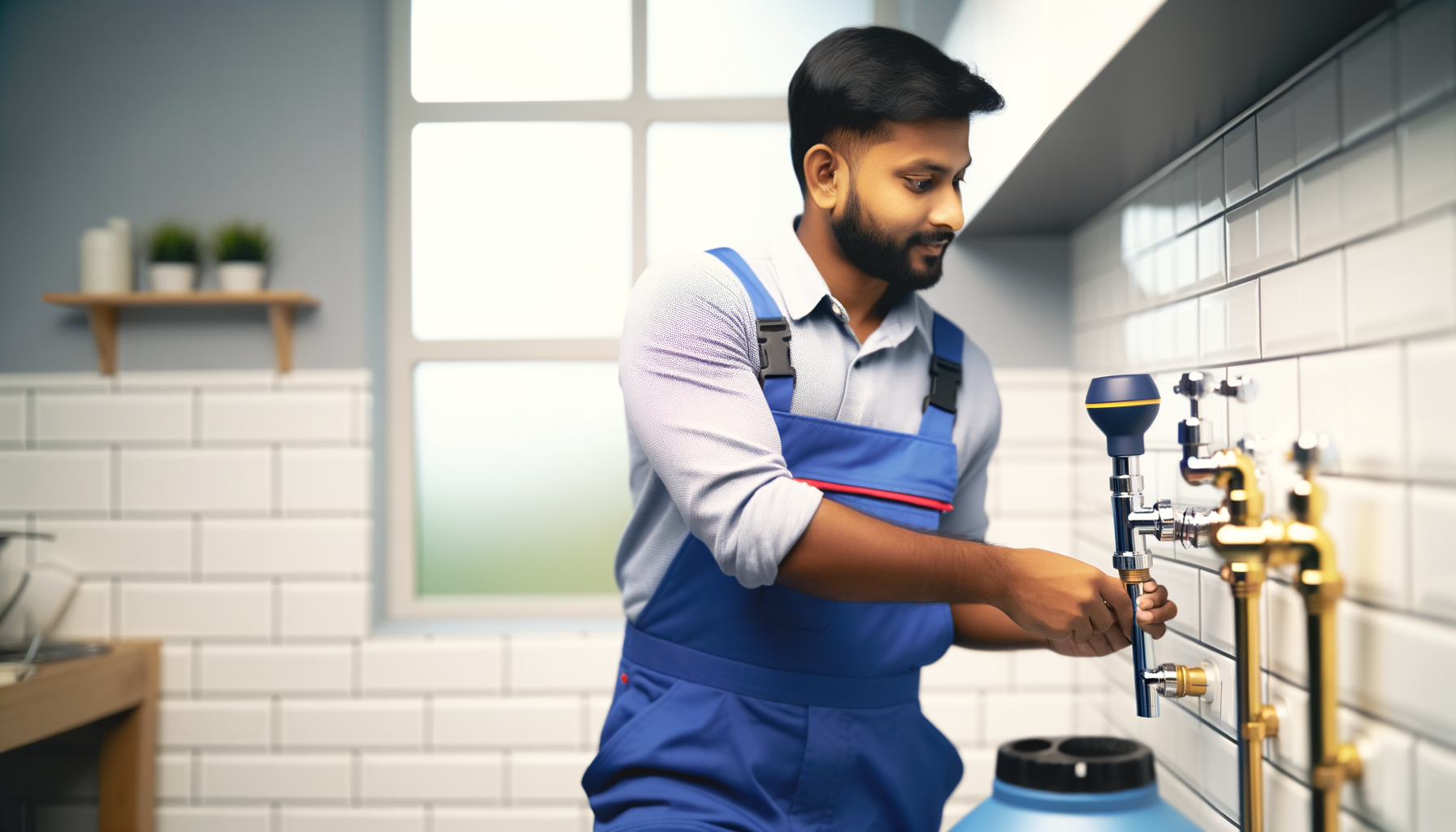
Ever had the shower turn ice-cold halfway through, or heard pipes rumbling in the wall? You're not alone. Most homes have old plumbing quirks hiding out, just waiting to ruin your day (or your floor). The good news? You don't need to tear apart your house to make essential plumbing upgrades work for you.
This guide breaks down practical, cost-smart fixes. You'll learn how to spot problems before they turn into disasters, pick modern plumbing fixtures, and choose upgrades that actually add comfort and value. Let's get your home ready for fewer leaks, lower bills, and a whole lot less stress.
Why Bother With Plumbing Upgrades?
Plumbing gets ignoreduntil something goes wrong. But waiting for a busted pipe or flooded bathroom usually means pricier repairs. Upgrading parts of your system means fewer headaches, safer water, and real savings on bills.
- Peace of mind: Old pipes and valves can burst at the worst times
- Better water flow: Updated lines mean faster showers and cleaner clothes
- Lower bills: Modern plumbing fixtures cut down wasted water
- Healthier living: No one wants rusty, contaminated water in their glass
Bottom line? Fixing now beats scrambling later.
Which Plumbing System Upgrades Make a Real Difference?
Are Old Pipes Really a Problem?
If your home was built before the 1990s, your pipes might be steel or even leadyikes. These types rust, corrode, and sometimes leak harmful stuff into your water. Even copper pipes can get pinhole leaks over time. Replacing old pipes with PEX or newer copper can protect your home and your health.
- Copper: Classic and reliable, but pricey
- PEX: Flexible, simple to install, and great for retrofits
- CPVC: Good for hot water lines, longer lasting than old PVC
Pipe upgrades sound scary, but a plumber can swap lines piece by piece. Start with the worst areasold basements, under sinks, and laundry rooms. You'll notice cleaner water and fewer leaks almost right away.
How Do I Upgrade With Modern Plumbing Fixtures?
Swapping out taps, showerheads, and toilets? Easiest win in the book. Modern fixtures use less water, work better, and look sharp. Smart upgrades here count as practical home plumbing improvements without wrecking your budget.
- Low-flow showerheads cut water use by half (or more) without wimpy pressure
- Dual-flush toilets save money every flush
- Touchless or single-handle faucets are great for messy hands
Many of these swaps are true DIY jobs. Check the instructions, shut off your water, and grab an adjustable wrench. If in doubt, a quick call to a plumber pays off.
What Makes Bathroom Plumbing Upgrades Worth It?
How Can I Stop My Bathroom From Looking (and Smelling) Outdated?
Bathrooms take a beating. Drains slow down, odors sneak in, and fixtures lose their shine. Focus on simple bathroom plumbing upgrades to boost functionand resale value:
- Replace old, clog-prone sink or shower drains
- Upgrade to a pressure-balanced valve for stable temps (no more surprise cold blasts)
- Add a leak detector near the toilet or under the sink
If your tub is getting sketchy, consider a deep-clean or re-caulking before splurging on a full swap. Need a pro for help? Ask about small, high-impact projects that wont destroy your budget.
What Could Go Wrong With DIY Bathroom Updates?
Bathrooms can fool even handy folks. Mixing up hot and cold, skipping pipe tape, or just tightening connections too much leads to drips under the sinksometimes where you cant see them. Take pictures as you go and keep a roll of old towels close by for quick cleanup. If it smells funny or you hear water running when nothings on, check right away.
What Are the Smartest Kitchen Plumbing Updates?
Why Is My Old Kitchen Faucet So Annoying?
Old kitchen faucets are noisy, sticky, and prone to drips. Swapping in a new pull-down, sprayer-equipped model takes one afternoon and makes cooking (and cleaning up) easier. If your sink drains slowly, food and grease may be the culpritgrab a drain snake before calling in the pros.
- Newer faucets stay cleaner, longer (few germs on those handles)
- Install a dishwasher air gap or garbage disposal update for smoother running
- Under-sink water filters can mean tastier drinks and gentler coffee
One mistake? Forgetting to check for leaks after the swap. Turn the water back on, wipe all joints, and watch for any dampness for a few hours. Never trust a good enough connection under the kitchen sink.
How Do I Know When I Need a Plumbing System Upgrade?
Some signs shout, others whisper. Keep an eye out for:
- Pipes banging or clanking when using water
- Discolored waterbrown, yellow, or cloudy
- Soggy spots in the yard (could mean a leak underground)
- Water pressure that's weak in some spots
If you spot these, call a pro for a second opinion. Early fixes beat emergency calls every time.
What Traps People When Upgrading Plumbing?
No one budgets for plumbing drama. Costs sneak up, or what seemed like a small fix turns bigger. Here's how to dodge the usual problems:
- Get a clear estimatein writingbefore work starts
- Ask if permits are needed for big projects
- Check that the plumber is licensed and insured
- Don't skimp on shutoff valves; install them anywhere you can
One smart move? Keep a folder with photos and notes about any upgrades or repairs. This helps if you ever sell your home, or just need to remember what's under your floors.
Quick Wins: Fast, High-Impact Plumbing Improvements
Sometimes you want to make things betterfast. Try one or more of these:
- Add mesh drain screens to every sink (stops hair and food gunk, saves pipes)
- Install a water hammer arrestor if your pipes rattle
- Seal around tubs and sinks with clear waterproof caulk
- Shut off outside spigots for winteror wrap them with insulation covers
None of these takes more than an hour or two, but each one protects your home from bigger headaches down the road.
Upgrading Plumbing: What Really Makes It 'Essential'?
Its 'essential' when it saves you time, money, or worry. Swapping out old pipes or quirky fixtures stops water damage in its tracks. Adding new shut-offs or leak sensors can mean catching a problem before you need buckets and towels. Essential plumbing upgrades aren't about chasing trendsthey're about making life easier, day in and day out.
Your reward? Hot showers that stay hot, dishes that rinse fast, and floors that stay dry all year. Small wins add up, and your future self (and any future buyers) will thank you for every smart swap.
FAQs: Your Top Plumbing Upgrade Questions Answered
- Q: How do I know if my pipes need to be replaced?
A: Look for low water pressure, rust in your water, or leaks under sinks. If your home is over 30 years old and the pipes are steel or lead, it's time to talk to a plumber. Old pipes can burst or send junk into your water. New ones arent just saferthey last longer, too. - Q: Can I upgrade plumbing fixtures by myself?
A: Yes, lots of modern plumbing fixtures are made for DIY. Changing faucets, showerheads, or toilet handles often needs basic tools and a bit of time. Always turn off the water first. If you run into weird pipes or can't get a good fit, call a pro for help. - Q: Will installing low-flow fixtures really save money?
A: Absolutely. Low-flow faucets, showerheads, and toilets can cut your water bill by up to 30%. They're made to use less water without losing power, so you'll notice less waste and lower bills every month. - Q: What's the best plumbing upgrade for a small budgt?
A: Swap out old showerheads and bathroom or kitchen faucets firstthese are cheap and make a big difference. Mesh drain screens are an easy win, too. For bigger savings, insulate pipes or add leak detectors to high-risk spots like laundry rooms or under sinks. - Q: How often should I check my plumbing?
A: Give everything a look each seasonpipes, faucets, shutoffs, and outside hoses. Watch for leaks, drips, or weird noises. Catching problems early means smaller fixes and less stress later on. - Q: What's the easiest way to tell if a plumber did the job right?
A: Check for leaks once the water is back on. Touch all visible pipes and joints for damp spots. Look under sinks and behind toilets, too. If anything drips or smells bad, ask the plumber to fix it. Good work leaves pipes tight and dry.
Small changes now mean fewer disasters later. Start simple, ask questions, and remember: you don't have to fix everything overnight. Your home, your pacejust pick one upgrade and go from there.










