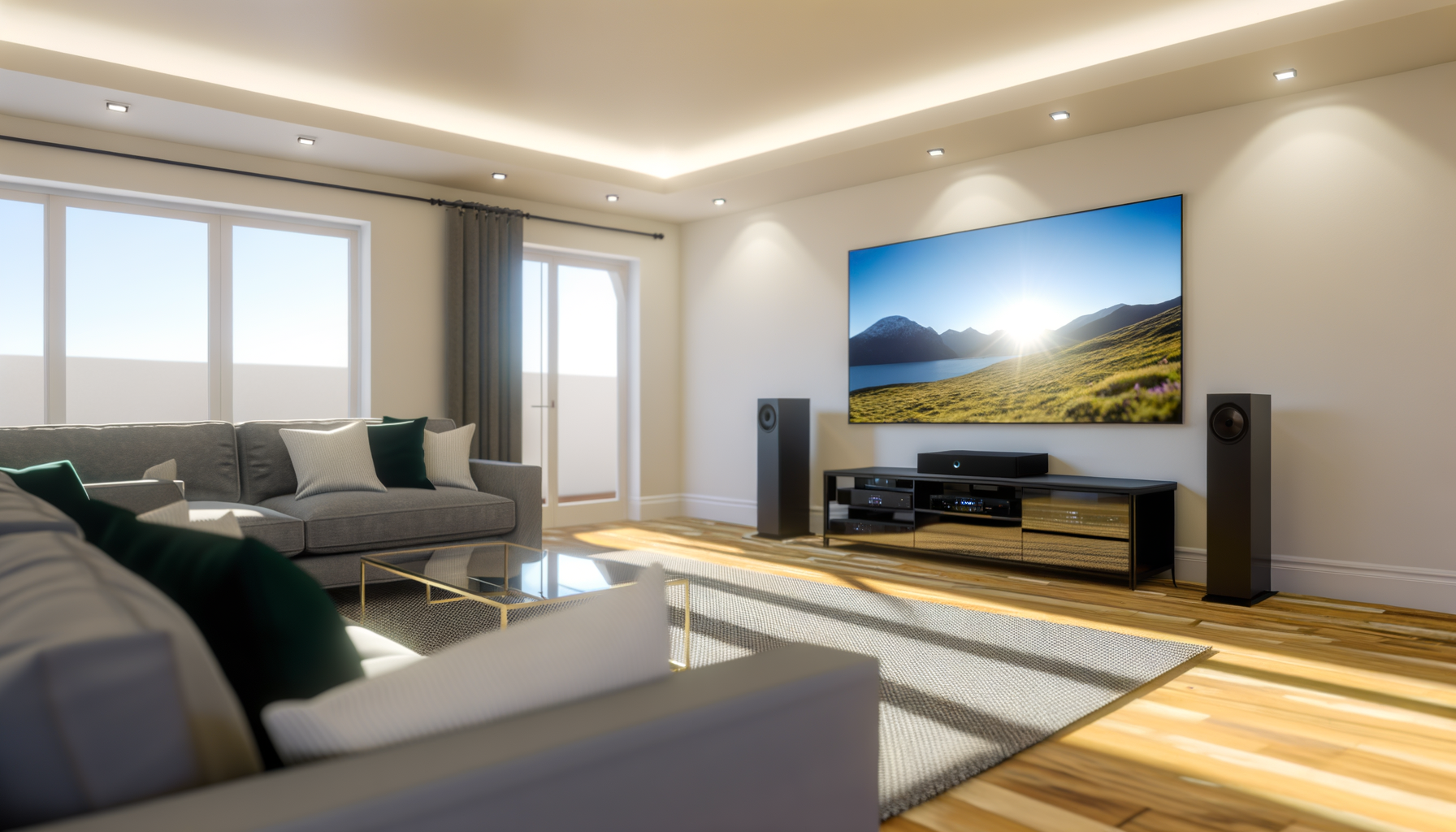
You're ready for a movie marathon, but your living room isn't cutting it. The TV's too small, the sound is thin, and the vibe just isn't there. Maybe you've wanted a cool home theatre setup for years, but wiring, gear, and room layout sounded stressful. Here's the good news: you don't need a giant basement or sky-high budget to create a space that feels like the movies. With a few smart moves, you can turn your living room into the ultimate home theatre without losing the cozy feel or breaking the bank. Let's break down how to do itmess-ups and all.
What Makes an Awesome Home Theatre Setup?
A home theatre setup is more than a huge screen and big speakers. It's about creating a space where family movie night, playoff games, or binge-watching your favorite show feels special. You'll need a good TV or projector, the right sound (hello, surround sound system), and a setup that fits your room and actual life. Why does this matter? Because a killer living room home theatre makes neighbors jealous and turns 'just watching TV' into a real event.
- Big screen (TV or projector)easy on the eyes and extra fun for movies
- Speaker systemsound that makes you feel like you're in the movie
- Comfortable seatingwhere you can binge for hours
- Smart layoutso everyone gets a great view
- Lighting and moodno glare, no eye strain
The real trick? Mixing these pieces so your living room still works for everyday life. That means choosing gear that fits, hiding wires, and keeping everything flexible for guests or kids.
How Do You Choose the Right Screen?
Let's start with what you look at most: the screen. Your options are simplea bigger TV or a projector. Getting the size right is key. If you sit too close, a massive screen makes you dizzy. Too far, and details are lost. The sweet spot? Measure how far you usually sit from the TV in feet, then get a screen about half to two-thirds that distance in inches. Sitting 8 feet away? A 55-inch TV is perfect. Want the real-deal home theatre vibe? Projectors are great for huge walls, but youll need dim lighting and a plain wall or screen.
- Go for 4K if you can. It's sharp and future-proof.
- OLED TVs look amazing but cost more. LED is fine for most.
- Projectors are awesome for big, dark rooms (think action movies at night).
What can go wrong? Buying a TV that's way too big for your spaceit's fun until you get a sore neck. And don't forget, projectors need a dark room. Skip them if you can't dim the lights.
Surround Sound System: Is It Worth It?
This is where home theatre magic happens. Your TV's speakers wont cut it. A surround sound system puts you in the middle of the action, whether it's spaceships flying by or the crowd's roar during a soccer match. For a true home theatre design, you'll want at least a 5.1 setupfive speakers and a subwoofer. Soundbars are fine if you're tight on space, but they're not the same.
- Front left and right speakers by the TV
- Center speaker above/below TV (crucial for dialogue)
- Rear speakers behind you
- Subwoofer anywhere (shake the room with bass)
Worried about all the wires? Wireless surround systems existthey cost more, but save you from crawling under carpets. If you skip surround sound, youll miss those goosebumps you get at the theater. Start with a nice soundbar if moneys tight, but plan to upgrade.
How to Lay Out Everything in Your Living Room
This is where most people get tripped up. Your living room has doors, windows, weird corners, and people who dont want it to look like a tech cave. The best home theatre installation happens when you work with your room, not fight it.
- Place the TV at eye level from your main seat.
- Pull your sofa forward. Up against the wall rarely looks or feels right.
- Put speakers at ear heightnot on the floor or balanced on a shelf.
- Try to keep a clear path for sound furniture soaks it up fast.
- Use a media console to hide wires and keep things tidy.
- Rugs, curtains, and soft chairs = better sound (less echo).
Don't sweat having a "perfect" setup. Move things around. Ask your family what feels good. The goal is comfort, not impressing an audio engineer.
Lighting Tricks That Change Everything
You can have a pricey TV and surround sound system, but if your living room lighting stinks, it kills the mood. Ever tried to watch a nighttime movie with sunlight blasting the screen? Not fun. Lighting is an underrated piece of home theatre design.
- Get blackout curtains for daytime viewing.
- Use dimmable lampsno overhead glare.
- Stick LED strips behind the TV for cool "glow" effects and less eye strain.
- Smart bulbs let you adjust color and warmth by remote or phone.
Add a tray of snacks and you're all set. Don't forget, lighting changes depending on who's watchingkids, adults, party nights. Make it adjustable, not fancy.
Style and Comfort: Home Theatre Ideas That Look Good
Worried your living room home theatre will look out of place? There are ways to keep your space stylish. Pick seats that dont scream "theater," like a sectional or big armchair. Choose gear in neutral colors or mount the TV on the wall to save space. A few small decor tweaks pull it together:
- Add movie posters or art you love.
- Hide remotes and wires in baskets or bins.
- Cushions and throws double as comfort and decoration.
- Pick furniture that's easy to move for game night or guests.
If you have little kids or pets, skip floor speakers or glass standsyoull thank yourself later. The best home theatre setup is one that fits your real life, not just a catalog pic.
Common Mistakes with Home Theatre Installation
It's easy to mess up a home theatre install, but you can avoid the most annoying mistakes:
- Buying gear that's way too fancy or too cheap for your room.
- Ignoring how sunlight hits your TV or projection screen.
- Not measuring before buying furniture or speakers.
- Using the wrong cables (yep, they matter).
- Putting all the seating off to one sideawkward viewing angles for half the room.
Start small. Upgrade as you figure out what you love and what drives you nuts. Return policies exist for a reason.
How to Upgrade Over Time (Without Regrets)
You don't have to build the perfect living room home theatre in a weekend. Most people start with a good TV and soundbar, then add pieces over time. Listen to what your family likes: Is sound more important than screen size? Would blackout curtains make a bigger difference than a fancy receiver?
- Budget for one big upgrade each year.
- Borrow or buy used when trying new gear.
- Read real reviewsusers, not just tech experts.
- Keep cables and wires labeled for easy swaps.
It's your space, so build it your way. Little by little, your setup will start to feel like your own personal theater.
FAQs About Home Theatre Setups
- What's the easiest way to start a home theatre setup in my living room?
Start with the TV and a decent soundbar. Get your seating comfortable and make sure you can control the light. Don't worry about fancy gear right awaya few simple changes can totally boost your movie nights. - How much does a basic home theatre installation cost?
If you already have a TV, you can add a soundbar and some blackout curtains for $200-$500. Going for surround sound or a projector? Those upgrades can push you into the $1,000+ range. Take it one step at a time.
Can I set up a surround sound system in a small room? - Do I need a professional for home theatre installation?
You can do most of it yourself if you follow instructions (YouTube and manuals help!). If you're running wires in the walls or mounting big TVs, pros can save you hassle. For basic setups, DIY works fine and saves money. - Is a projector or a big TV better for a home theatre in the living room?
If you need your screen to disappear when not in use, projectors are great. But they need dim light for best results. Big TVs are simple, work with sunlight, and are easier for everyday use. It depends on your room and how you watch. - What's the biggest mistake people make with home theatre design?
People focus too much on gear and forget comfort or room layout. Too many wires, bad seating, and awkward screen heights make the setup hard to enjoy. Think about where you'll sit, what you'll watch, and who joins inthat's what makes it special.
Yes. Place the speakers close to your main seats, keep the subwoofer on the floor, and skip any huge, bulky gear. There are plenty of compact surround systems made for small spaces. Even a tight room can sound great if you set it up right.
You don't need to overspend or get stressed out. Start with what you have, add one thing at a time, and adjust as you go. Before you know it, movie nights will be the best part of your week.