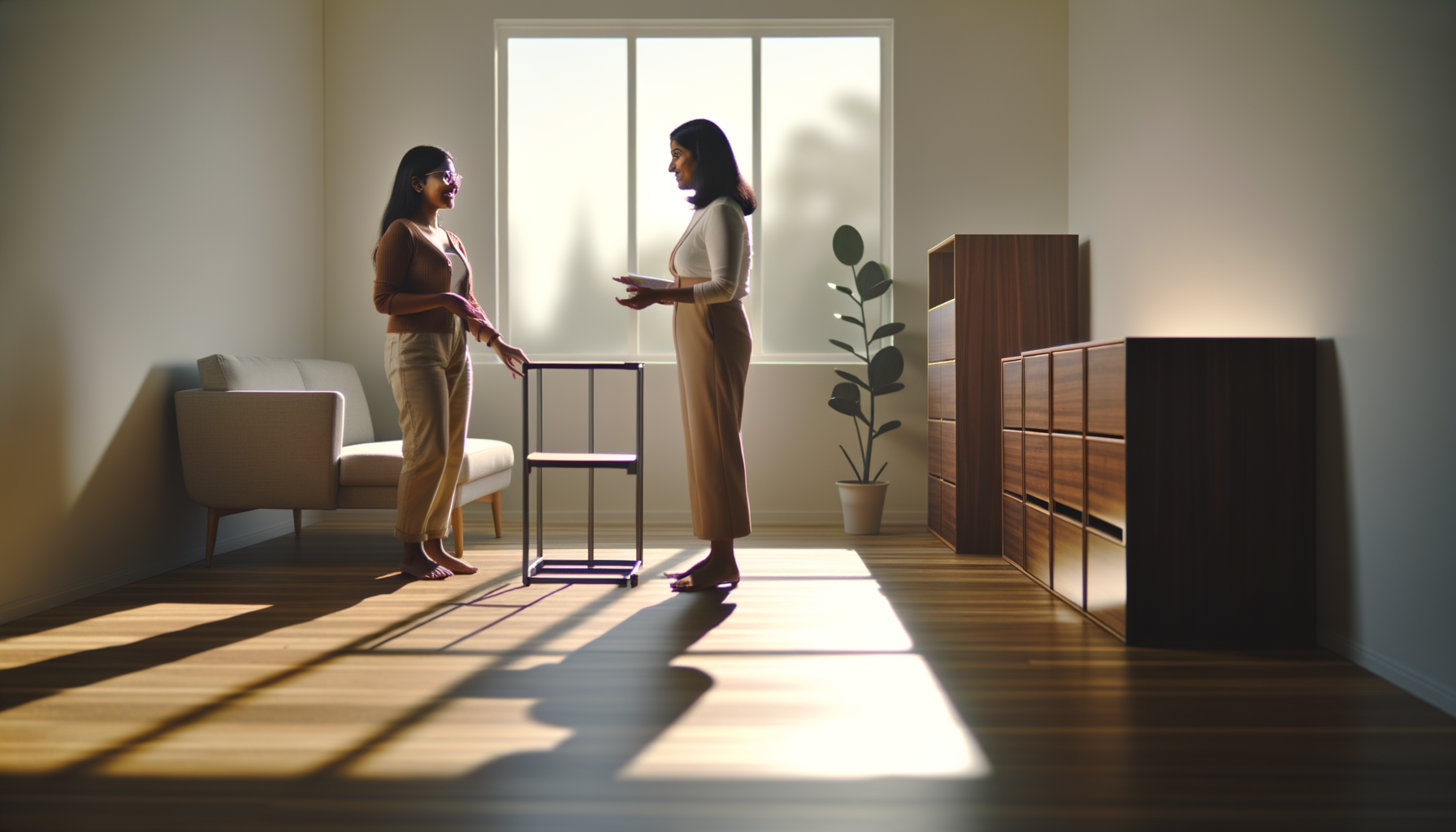
Your bedroom shouldn't feel like a cramped closet. Your living room? It deserves more than being a shoebox with a couch that barely fits. If you're tired of knocking your knees on furniture or hunting down the shoes stuffed under your bed, you're not alone. Most people wish their small rooms felt bigger and worked smarter. The good news: you don't need to break down walls or win a lottery to get there. All you need are clever small room design ideas that actually work in real life and a few tricks to make the most of your space.
What's the Real Challenge With Small Room Design?
Small rooms can quickly turn into storage spaces by accident. Every time you add a new chair, bookshelf, or lamp, you lose a little more floor space. Before you know it, you're tripping over stuff or dreading the clutter every time you walk in. This is where smart small room design ideas shine: It's all about making every inch countwithout making your home look like a furniture showroom.
- Fits your life: The right layout adjusts to the way you eat, sleep, work, and relax.
- Makes things easy: Less clutter means less cleaning and less stress.
- Lifts your mood: A bright, well-organized room feels more inviting.
The wrong approach? Jam everything in or buy the biggest storage containers you can find. That just hides the problem. Instead, focus on using what you need, not what fits.
How Do You Lay Out a Small Room So It Actually Works?
Your small room layout is like a puzzle. It matters where you put the bed, couch, or deskone wrong move, and suddenly you can't open a door or window. Here are easy steps for better layouts:
- Start empty: Remove everything. It's easier to imagine new layouts in a bare space.
- Map your must-haves: What absolutely needs to stay? For a bedroom, it's probably a bed and dresser. For a living room, a couch and maybe a TV.
- Float furniture: Try pulling pieces away from walls. Sometimes, floating a couch or bed at an angle opens up the space.
- Leave clear paths: Make sure it's easy to walk from door to window or bed to closet.
- Use rugs: These help define areas without bulky dividers.
Still not sure where to start? Snap a photo and sketch ideas or use free design apps. You'll spot problems before you even move anything heavy.
Space Saving Furniture: Magic or Marketing?
Some space saving furniture is genuinely brilliant. Others are, well, glorified boxes with a fancy price tag. Here's what to look for so you don't regret your choices:
- Foldable pieces: Desks and dining tables that fold up are perfect for tiny rooms. When you're done, stow them awayno extra clutter.
- Double-duty furniture: Ottomans with storage, beds with drawers, sofas that turn into bedslook for pieces that solve two problems at once.
- Vertical storage: Use tall dressers, shelving, and wall hooks. Free up floor space and go up, not out.
- Movable items: Lightweight chairs or rolling carts let you change things fast when company drops by.
I once bought a coffee table that lifted up to become a mini dining table. Game changer. But I also learned: Too much multi-tasking furniture can be confusing. Stick to one or two pieces, max.
Does Small Space Decorating Matter as Much as Layout?
Absolutely. Even if your layout is perfect, your room's vibe comes down to colors, lighting, and little touches. Tiny tweaks make a difference:
- Light colors: Soft whites, pale grays, or even soft pastels bounce light around, making rooms look bigger.
- Mirrors: Place one across from a window or next to a lamp to create the illusion of space.
- Smart lighting: Don't rely on just one ceiling light. Use small floor lamps, string lights, or wall sconces to create cozy spots.
- Keep it simple: Skip busy patterns or dark, heavy curtains. Clean lines keep the eye moving and the space feeling open.
Remember how you feel after a big spring cleaning? Aim for that every dayclear surfaces, a couple of loved decorations, not seventeen throw pillows.
What Are the Most Common Mistakes in Interior Design for Small Spaces?
Here are top pitfalls people run into with small room design, and how to dodge them:
- Buying giant furniture: It's tempting, but oversized sofas or beds steal precious feet. Measure firstthen measure again.
- Ignoring wall space: Walls are real estateuse shelves, hooks, or art, but don't overcrowd.
- Too many decorations: Knickknacks and collections get overwhelming fast. Curate, don't hoard.
- No storage plan: If everything piles up on the floor, chaos follows. Find or create spots for things to live.
- Zero personality: Your room should feel like you. Add photos, a favorite color, or an old chair you lovejust not all at once.
If you're ever stuck, ask a brutally honest friend what they'd change. Sometimes, an outside eye spots the obvious fix you missed.
How Can You Maximize Small Rooms on a Tight Budget?
Not everyone can hire an interior designer, but you don't need to. Tackling small room changes on a reasonable budget is possible:
- Swap stuff around: Move things between rooms before buying new. You might find a chair or lamp looks better somewhere else.
- DIY upgrades: Paint, add new handles to cabinets, or sew new pillow covers. Small touches, big impact.
- Secondhand scores: Check thrift stores, garage sales, or swap with friends. Unique finds often work better in small spaces than cookie-cutter big box pieces.
- Make friends with baskets: They're cheap, look good, and help wrangle clutter.
The main thing is starting. Don't wait until you can do everythingpick one project, put in a free weekend, and watch your space change bit by bit.
FAQ
- Q: What are the best colors for small rooms?
A: Lighter colorslike whites, pale grays, and gentle bluesmake small rooms look brighter and bigger. Dark colors can shrink a space. If you love bold shades, try using them in small accents like pillows or artwork instead of on walls. - Q: How do you maximize storage in a tiny bedroom?
A: Go vertical and use under-bed space. Shelves above the bed, hanging organizers in the closet, and beds with built-in drawers pack in storage without taking up more floor. Clear storage bins help you find things fast, too. - Q: What's the trick for a small living room layout?
A: Keep walkways open and use furniture with legs to let light travel underneath. Stick to essentials: one comfy couch, a slim coffee table, and a couple of multipurpose items. Dont block windows with tall pieces. - Q: Should all furniture be small in a small room?
A: Not always. One or two larger pieces (like a sofa or bed) can actually anchor the space and keep it from feeling cluttered with lots of tiny things. The key is to measure and make sure you leave space to move around easily. - Q: Any tips for decorating a small space on a budget?
A: Use what you have first, buy used when you can, and focus on small changeslike switching up art or trying new lighting. Plants, thrifted finds, and a fresh coat of paint go a long way without draining your wallet. - Q: How do I make my room feel less crowded?
A: Start by clearing out anything you dont love or use. Stick to a simple color palette, let in as much natural light as possible, and leave some empty space on shelves and tables so your room can breathe.
You don't need a giant house or a fat wallet to have a space that works for you. Try out a few of these small room design ideas and watch your home feel bigger, happier, and more like yoursone tweak at a time.