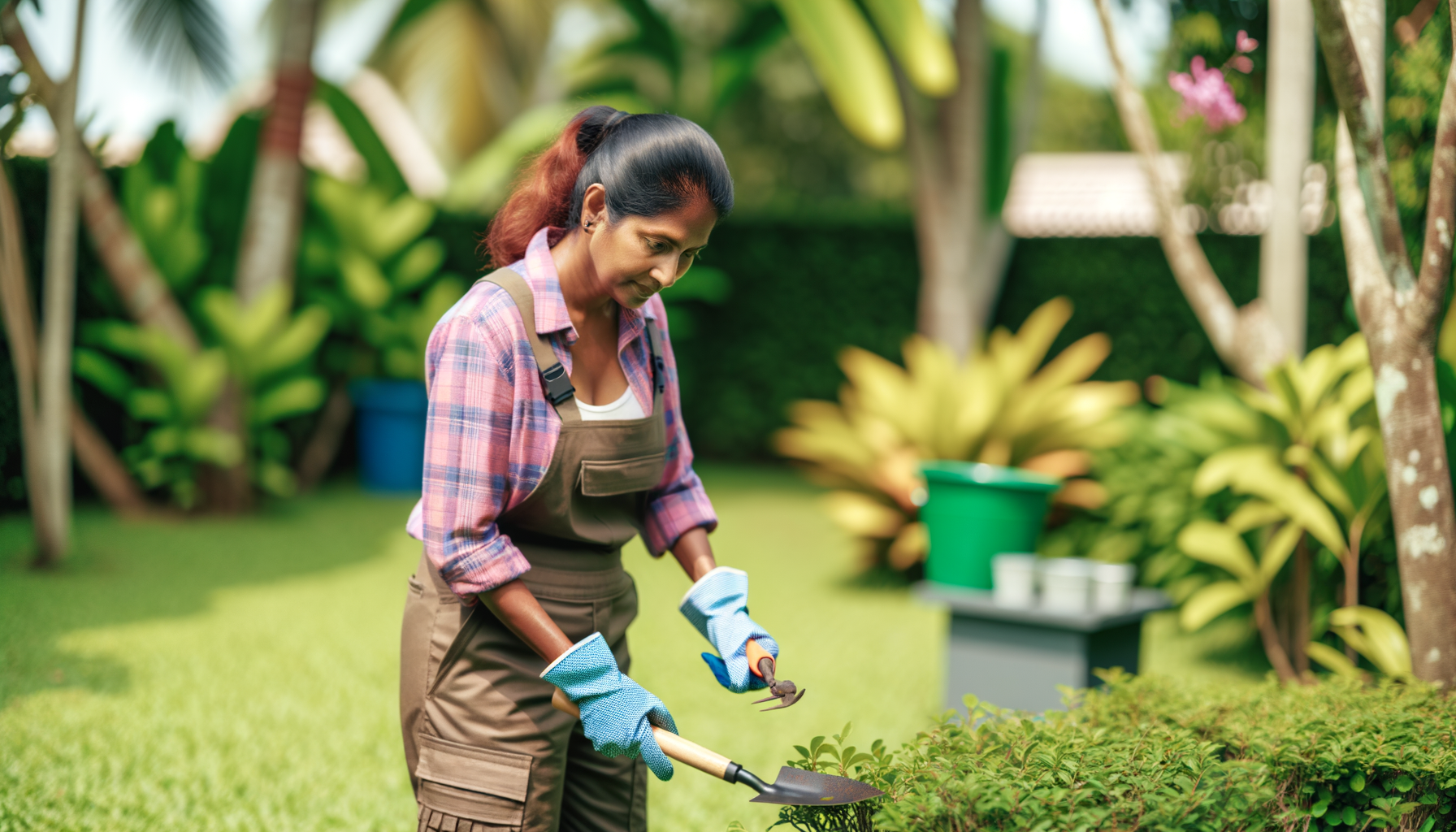
Your backyard is full of potential, but garden maintenance is what turns good intentions into a yard you actually want to hang out in. Maybe you've tried keeping up before, then lost steam halfway through the season. Or you finally cleared a flower bed, only for weeds to pop up overnight. It happens to all of us. That's why we're going to break this down into real tips that work and don't eat up your entire weekend. With the right moves, you'll get a head start on yard care and find that a little regular effort really does add up.
Why Does Garden Maintenance Matter So Much?
Keeping your garden in shape isn't just about looks. It's about enjoying your space and avoiding big headaches down the road. Ignore the basics too long and you're facing dead grass, out-of-control weeds, or shrubs that block your front door. Garden maintenance helps your plants thrive, keeps your lawn healthy, and makes outside time way more fun (with a lot less embarrassment if neighbors drop by).
- Healthy plants need attention to stay strong and resist bugs or disease
- Regular clean-up saves money on expensive fixes later
- Well-tended spaces are safer, especially for kids and pets
- Less stress when things don't spiral out of control
It's simple: show your yard a little love, and it pays you back in ways you actually notice.
What Are the Basics of Yard Care Everyone Should Know?
Yard care covers everything from mowing the lawn to raking leaves to basic pruning. These don't have to be tough, but the real challenge is being consistent. If you set a schedule (even if that's just every other Saturday), you'll stay ahead of most problems before they get out of hand.
- Give your lawn a regular cut, setting the mower blade higher in summer
- Water deeply but less often, so roots grow strong
- Rake leaves off grass so you don't smother it
- Trim bushes before they block walkways
- Clear debris so pests don't set up shop
Avoid common mistakes like scalping the lawn (cutting too short) or drowning your yard with water. Most grasses want tough love. They'll survive a bit of dryness and grow thicker when not babied.
What Does Good Lawn Maintenance Look Like?
Lawn maintenance isn't hard, but there are some easy traps. Skip a week of mowing and suddenly the grass gets dense and messes up your mower. Or maybe the edges start looking wild because you forgot to trim. Here's how to keep things tidy:
- Mow once a week during the growing season
- Leave clippings on the grass (free fertilizer!)
- Edge walkways every couple weeks so things look snap clean
- Fertilize twice a year, spring and fall
- Check for patches or thinning and fix with a seed mix
Watch for overwatering and fungal diseases if you see weird spots or mushrooms popping up. Less is often more. With a good routine, your lawn turns into something you actually enjoy walking barefoot on again.
How Do You Tackle Weeding Without Losing Your Mind?
Pulled weeds before? Then you know how fast they can come back. The trick isn't to aim for perfection, but to keep them under control. Here's what works:
- Pull weeds young, before they drop seeds
- Hit patches after rain when soil is loose
- Mulch around plants to block light
- Check garden edges, that's where weeds sneak in
Don't ignore that one weed you see today. Next week, it becomes five. Make this a quick add-on to your regular garden maintenance. Over time, it takes less and less effort.
What's the Deal with Pruning? Does It Really Matter?
Yes, pruning feels intimidating the first time. What if you cut too much? The truth is, most plants bounce back better than you'd expect. Pruning helps them grow strong instead of wild and weak.
- Use sharp, clean shears to avoid crushing stems
- Cut just above a healthy bud, not too far or close
- Prune in late winter or early spring for most shrubs
- Shape hedges so sunlight gets to the bottom, too
Avoid the urge to hack everything back at once. If you're not sure, take off less. A little tidy-up does wonders and cuts down on the big jobs later.
How Does Seasonal Gardening Change the Routine?
What your yard needs shifts with the seasons. Garden maintenance in spring is busy planting, cleaning, getting ahead of weeds. Summer is mostly upkeep and watering. Fall means prepping beds for winter, raking leaves, and planting bulbs. Winter slows down, but it's a good time for planning and maintenance on your tools.
- Spring: Clear debris, fertilize, plant new flowers or veggies
- Summer: Water smart, mow, deadhead spent blooms
- Fall: Cut back perennials, plant bulbs, tidy up leaves
- Winter: Inspect for damage, sharpen tools, plan for next year
If you're always a step behind, use the change in seasons as your reminder for each new task. That way things never get totally overwhelming.
What's the One Habit That Makes Garden Maintenance Easier?
Set a realistic routine. Not everyone loves yard work, so don't try to do it all at once. Ten minutes a day or an hour every weekend is enough if you're consistent. Before you know it, things start staying tidy with less effort. If you mess up or skip a week, just start again. Your yard isn't judging you.
FAQ: Common Garden Maintenance Questions
- How often should I mow my lawn for the best results?
Mow your lawn once a week during spring and summer when it grows fast. If the weather is cooler or rainy, you might stretch it to every 10-14 days. Cutting often keeps your grass healthy and helps it look neat. If you skip too long, it gets harder to mow and can stress the grass. - What's the easiest way to keep weeds under control?
The key is pulling weeds while they're small and the ground is damp. Check garden beds weekly and yank out anything new. Mulching around plants stops a lot of weeds from coming back. Stay on top of them, and you'll spend less time fighting weeds overall. - Do I need to fertilize my yard every year?
Most lawns and gardens do better with a little fertilizer twice a year, once in spring and again in fall. It gives your grass and plants the nutrients they need to grow strong. Skip this, and you might see yellow spots or thin growth. Use a simple, all-purpose blend for most yards. - When's the best time to prune my shrubs?
Late winter or early spring is best for most shrubs. That's when they're resting and will bounce back faster. If you wait until they're growing, you can accidentally cut off flower buds. Always check what kind of plant you have to be sure, since a few need different timing. - How can I prepare my yard for changing seasons?
Adjust your routine every season. In spring, start by clearing out old leaves and planting new things. Summer is for mowing and watering smart. In fall, rake up leaves and plant bulbs for next year. Winter is about cleaning up and getting tools ready. Each change keeps your yard healthy and looking nice. - What's the fastest way to fix patchy grass spots?
Loosen the soil, sprinkle a patch repair seed mix, and water it every day until it grows in. You don't need fancy tools, just basic seed and a rake. Be patientit can take a couple weeks to fill in. Start early in spring or fall for best results.
Your yard doesn't have to be perfect to bring you joy. Start small, keep it simple, and celebrate the progress you actually see every month. Before long, you'll feel that garden maintenance really is a little bit magic.