You step outside, and your yard feels like more work than it's worth. Weeds everywhere. Bare patches where nothing wants to grow. Water bills that make you cringe. Even if you love the idea of a garden, the work, time, and waste are enough to make most people give up. But here's the thinggardening doesn't have to drain your time, wallet, or conscience. Sustainable gardening can make your yard easier to care for, friendlier to nature, and, honestly, way more beautiful.
Stick around and you'll pick up doable tips on soil, compost, water-saving tricks, and the plants that want to live in your zip code. Forget expensive gadgets and hard-to-find seeds. You can start small and see your yard (and your mood) change, season by season.
What is sustainable gardening, anyway?
Sustainable gardening is about working with nature, not against it. It means picking plants that are right for your place, reducing waste, saving water, and cutting down on chemicals. Bottom line: you help your yard thrive without wrecking the planetor yourself.
- Eco-friendly gardening: Focuses on growing plants without hurting local wildlife or soil.
- Organic gardening: Ditches the chemical fertilizers and pesticides for safer, natural fixes.
- Water conservation: Uses smarter watering and drought-tolerant plants.
- Composting: Turns kitchen scraps into plant power.
The benefits? Less work as the years go on. More birds, bees, and butterflies hanging around. And a sense that your own little patch of earth is doing good.
Why do sustainable gardens matter?
Yards take up a huge amount of space in most towns. The right choices here add up fast. If everyone skipped chemicals and used less water, local rivers and bugs would thank us. Plus, gardening this way saves money. Native plants don't need as much and compost is free soil food. Honestly, it's a win-win.
The first time I tried this, my front yard was full of thirsty grass that just looked sad by July. After swapping some patches for native wildflowers, my water bill dropped. I noticed more bees within weeks. My neighbors asked what I was doing differentlyjust simple swaps and letting nature do its thing.
Which plants are best for sustainable gardening?
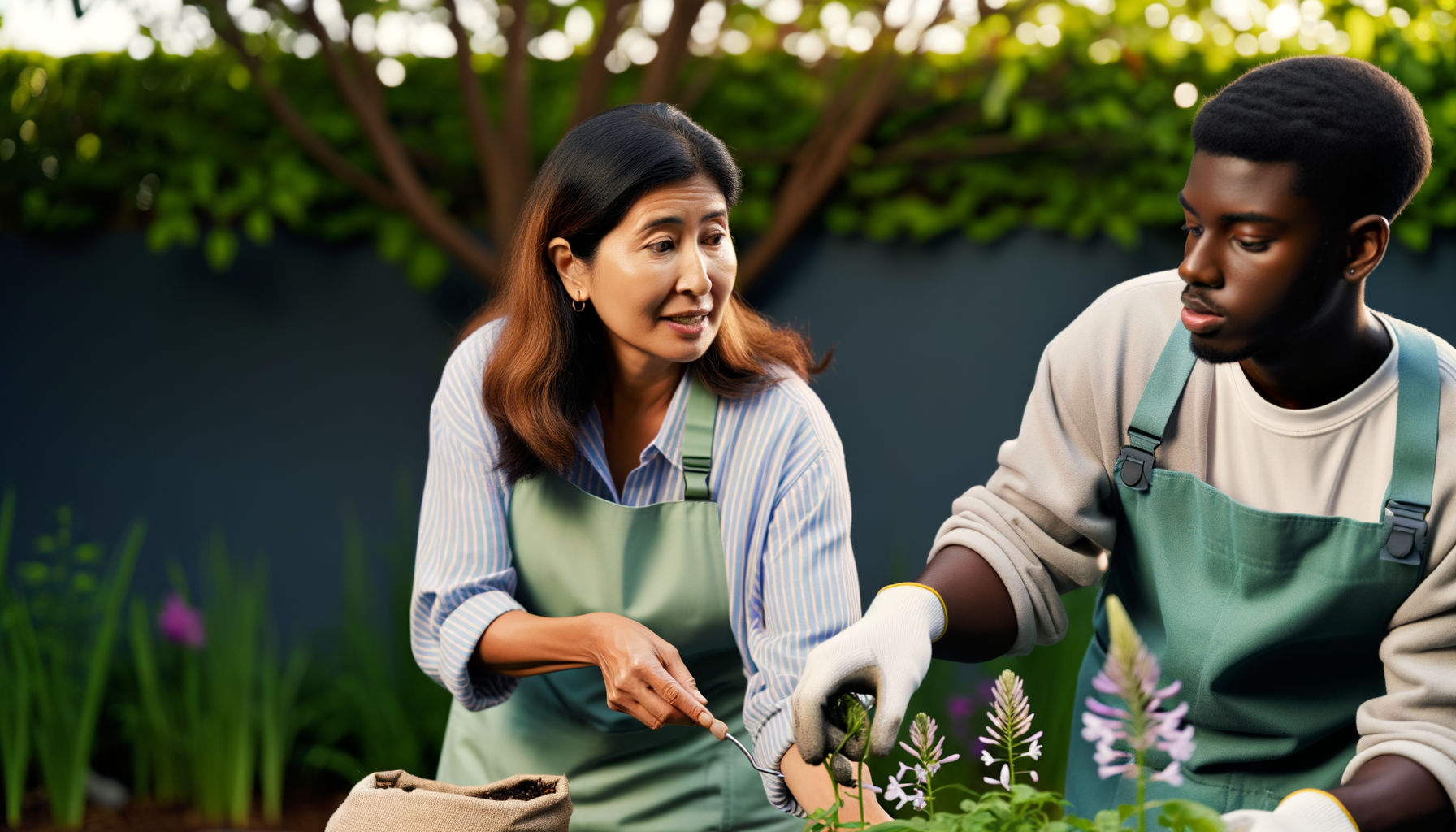
Start with what's native to your area. Native plants are local rockstarsthey're built for your weather and pests, and birds and bees love them. They need almost no extra water after the first season and rarely get sick. You can find a list at any local nursery or university extension site (or ask that gardening aunt who always has the best flowers).
- Ditch regular grass for low-water ground covers like clover or buffalo grass.
- Try wildflowers that pop up in your region.
- Add berry bushes or fruit trees suited to your climatethey feed you and the birds!
Avoid the trap of buying "exotic" plants that die the first winter or need endless spraying. They'll just break your spirit and your wallet.
How does composting make a difference?
Think of compost as your garden's favorite snack. It takes stuff you'd usually toss (like apple peels, coffee grounds, leaves) and turns it into rich, dark soil. Plants eat it up. You waste less, and your garbage doesn't smell like death.
- Start small with a corner pile or a store-bought bin.
- Add kitchen scraps and yard waste (no meat or dairy, or you'll regret the smell).
- Toss in some dry stuff like leaves or shredded newspaper every now and then.
- Turn the pile with a pitchfork when you rememberno need to stress over it.
I once added a bag of fall leaves to my compost and forgot about it. Months later, I had the richest soil in my garden bedsno fancy tricks, just time and scraps.
How can you use less water in the garden?
Water is gold, especially when summer kicks in. Want to save both your garden and your bills?
- Water early in the morning so less evaporates.
- Put down mulchwood chips or strawso the soil keeps moisture.
- Use soaker hoses instead of sprinklers for less waste.
- Catch rain with a cheap barrel under your gutter.
One common mistake: watering shallow every day. Deeper, less frequent watering trains roots to grow strong, so you water less overall. When I started mulching and set a cheap timer, I cut my water use (and time spent outside sweating) by half.
What about organic gardening techniques?
Organic gardening is more than skipping spray bottles. It's about feeding the soil, not just the plants.
- Rotate what you plant each year so diseases don't hang around.
- Try natural fertilizerscompost, worm castings, fish emulsion.
- Encourage good bugs (ladybugs, praying mantises) by planting flowers they like.
The first year, it's tempting to go heavy on organic fertilizer, but more isn't always better. Too much can burn your plants or wash away in the raingo easy, watch what works, and adjust.
Common slip-ups in sustainable gardeningand how to avoid them
- Overwatering: Plants actually die faster this way. Check soil before turning on the hose.
- Ignoring your soil: Starting with sad dirt? Compost is your friend.
- Using non-native plants: You'll struggle every season and spend more for fewer results.
- Getting frustrated too soon: Gardens change slowly. Give it a season before judging your progress.
If you mess upeveryone doesdon't feel bad. Even pros kill a plant or two every season. It's part of learning.
Ready to make your garden more sustainable? Start here.
- Pick one garden bed or patch to test out native plants.
- Start a small compost pile, even with just leaves and veggie peels.
- Swap regular mulch for wood chips and see how much water you save.
Step by step, you'll build a yard that's easier to care for and good for everything that lives there (including you).
FAQ: Real Answers to Sustainable Gardening Questions
- What is the main goal of sustainable gardening?
It's all about creating a yard that takes care of itself using less water, fewer chemicals, and less work from you. Sustainable gardening helps local wildlife, keeps your soil healthy, and saves money over time. You get a great-looking yard while being kind to nature. - How do I make my garden more eco-friendly?
Start small. Switch to native plants, use compost instead of chemical fertilizer, and water less by adding mulch. Avoid harsh sprays. Every little change makes your garden greener and more self-sufficient. - Which native plants should I choose for my area?
Check with your garden center or look up what flowers and shrubs grew wild where you live. Favorites include coneflowers, goldenrod, and local grasses. These plants need less water and attract bees and butterflies. - Can I compost if I have a tiny yard?
Yes! Use a small bin or a worm composting kit right in your kitchen. Toss in veggie scraps, coffee grounds, and eggshells. You'll be surprised at how little space it takes and how much it helps your garden. - What are easy water-saving tips for gardens?
Water early morning, use mulch to hold in moisture, and try soaker hoses. Native plants need less water once they're established. Catching rain in a barrel can help a loteven one bucket's worth makes a difference. - Are organic gardening methods better for pets and kids?
Absolutely. Organic methods skip harsh chemicals, so pets and kids can play safely. Using compost, mulch, and natural pest control means fewer worries about what they might touch or taste outside.
Try one change this week and see how your yard responds. These simple ideas add up, and soon your garden will be the one everyone asks about.