You know that sinking feeling when you spot a scratch on the wall, a leaky faucet, or a mysterious stain on the ceiling? Most people worry about repair costs or try to ignore it. But here's the twist: tackling minor property damage the smart way can actually save you a pile of money and your home's value.
What counts as minor property damage anyway?
We're talking about the everyday bumps and bruises your place collects. Scuffed floors, chipped paint, tiny leaks, cracked tiles things that seem small but can pile up. If you wait too long, even a little problem can turn into a budget-busting repair.
- Scratches on the floor from moving furniture
- Water spots under a sink
- Nail holes from hanging pictures
- Loose door handles
Each of these is easy to ignore or easy to fix before they get expensive.
Why fix minor damage fast? It's about long-term savings
Small damage is like a tiny crack in your windshield; if you deal with it early, it never gets bigger. But ignore it, and you'll end up replacing the entire thing. Catching problems quickly keeps repair costs low and helps your home look sharp.
- Property damage repair done quickly costs less
- Prevents big-ticket issues, like mold or structural problems
- Makes daily life nicer and less stressful
The bottom line: a little effort now stops a major expense later.
How to spot minor property damage before it grows
This part's easy. Once a month, walk through your place like you're seeing it for the first time. Check walls, ceilings, floors, pipes, and the outside if you have one. Keep an eye out for:
- Discoloration (water means leaks!)
- Musty smells (could be mold or dampness)
- Chipped paint or worn spots
- Drafty windows or sticky doors
Take notes or pics on your phone so you remember what needs fixing.
DIY or call for help? Making the right call
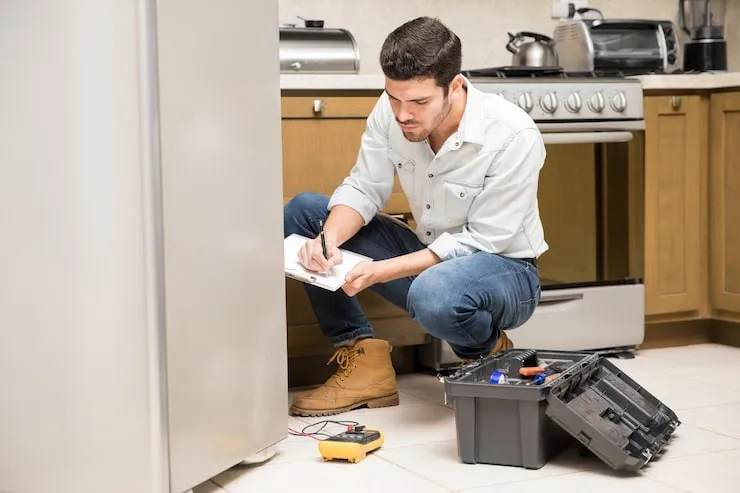
If you're handy, you can handle a lot of small repairs with under $50 of tools and supplies from any hardware store. For example, filling nail holes, tightening a door handle, or patching a small hole in drywall. If water's involved or anything electrical, play it safe and call a pro.
- DIY fixes for quick wins:
- Patching small holes
- Touch-up painting
- Replacing faucet washers
- Minor grout fixes
- When to call an expert:
- Serious leaks (could mean hidden water damage)
- Electrical issues
- Major cracks in foundation or walls
Think of it like cooking: some recipes are easy, others are best left to your favorite restaurant.
What does a good damage assessment look like?
You don't need a fancy checklist. Just get systematic. Here's a basic way to assess damage and decide what to do next:
- How big is the problem? (Crack vs. hole in the wall)
- Is it getting worse?
- Could it get expensive fast? (Anything with water or electricity always can)
- Is it making your home less comfortable or safe?
If your answer raises a red flag, plan to fix it soon.
The most common mistakes with property damage repair
- Waiting too long hoping it magically goes away
- Trying to DIY something that needs an expert
- Ignoring the root issue (like painting over mold)
- Spending big on cosmetic fixes but skipping safety hazards
The first time I tried to fix a leaky under-sink pipe, I tightened the wrong nut and ended up with a puddle. Lesson learned: research before you touch anything, and know when to step back and call someone who knows their stuff.
Saving money with DIY property fixes
This one works if you keep it simple. YouTube videos, store experts, and repair guides can walk you through most tasks step by step. If you mess up, worst case: you might have to call a pro anyway, but you'd have learned something.
- Start with the least risky (painting, filling holes)
- Ask for advice if you're unsure
- Invest in a basic toolkit (hammer, screwdrivers, pliers, spackle, paintbrush)
- Track your successes and what you spent
Every repair you do yourself is money you keep. Plus, it's weirdly satisfying to look at a fixed wall and know you did it.
How prevention turns into real home maintenance savings
Catching problems early means you almost never have a surprise bill. Plus, good maintenance adds value if you ever sell. Think of it like regular oil changes for your car annoying, but way cheaper than fixing an engine.
- Check and seal windows once a year
- Look under sinks for drips monthly
- Touch up paint yearly
- Listen for weird sounds or smells
Even ten minutes a month checking your home can stop hundreds in future repairs.
When to splurge, when to save
Some repairs are worth hiring out, both for quality and peace of mind. Anything structural, involving plumbing behind walls, or electrical is usually not worth the risk. For the rest, if the fix is under $100 and you feel confident, give it a try. It's all about balancing your time, money, and skills.
What you'll gain (besides money)
- Peace of mind knowing you have fewer hidden problems
- Confidence in your own DIY skills
- A home that looks and feels well-kept
- Extra savings for the stuff you want (not emergencies)
Try tackling one tiny repair this week. You'll feel better about your home and your wallet. Remember, every fix is a cash-saving opportunity in disguise.
FAQs on Property Damage Repair and Savings
- How do I know if minor damage is actually a big deal?
If damage is spreading, involves water, or affects safety (like tripping hazards), it's serious. Quick checks help you spot problems before they become expensive or dangerous. - Can DIY repairs really save that much money?
Yes. Doing basic fixes like filling holes or adjusting doors instead of hiring someone can save hundreds every year. You also avoid bigger repairs later by acting early. - How often should I do a property damage check?
Once a month is ideal. Walk through and look at walls, floors, ceilings, and under sinks. The more regular you are, the less likely you'll miss something. - What tools do I need to handle small repairs?
Start with a hammer, screwdriver set, pliers, spackle, paint, and a flashlight. Most minor property damage can be fixed with these basics. - When should I stop trying DIY and call a pro?
If the damage involves water leaks, mold, electrical outlets, or major cracks, it's safer to get professional help. For simple things like paint touch-ups, you're good to DIY. - Can fixing minor property damage help when selling my home?
Absolutely. Homes with less visible damage look cared for, which helps you get a better price and attract more buyers. Small details make a big difference at sale time.