Why Does Plastic Need a Rethink?
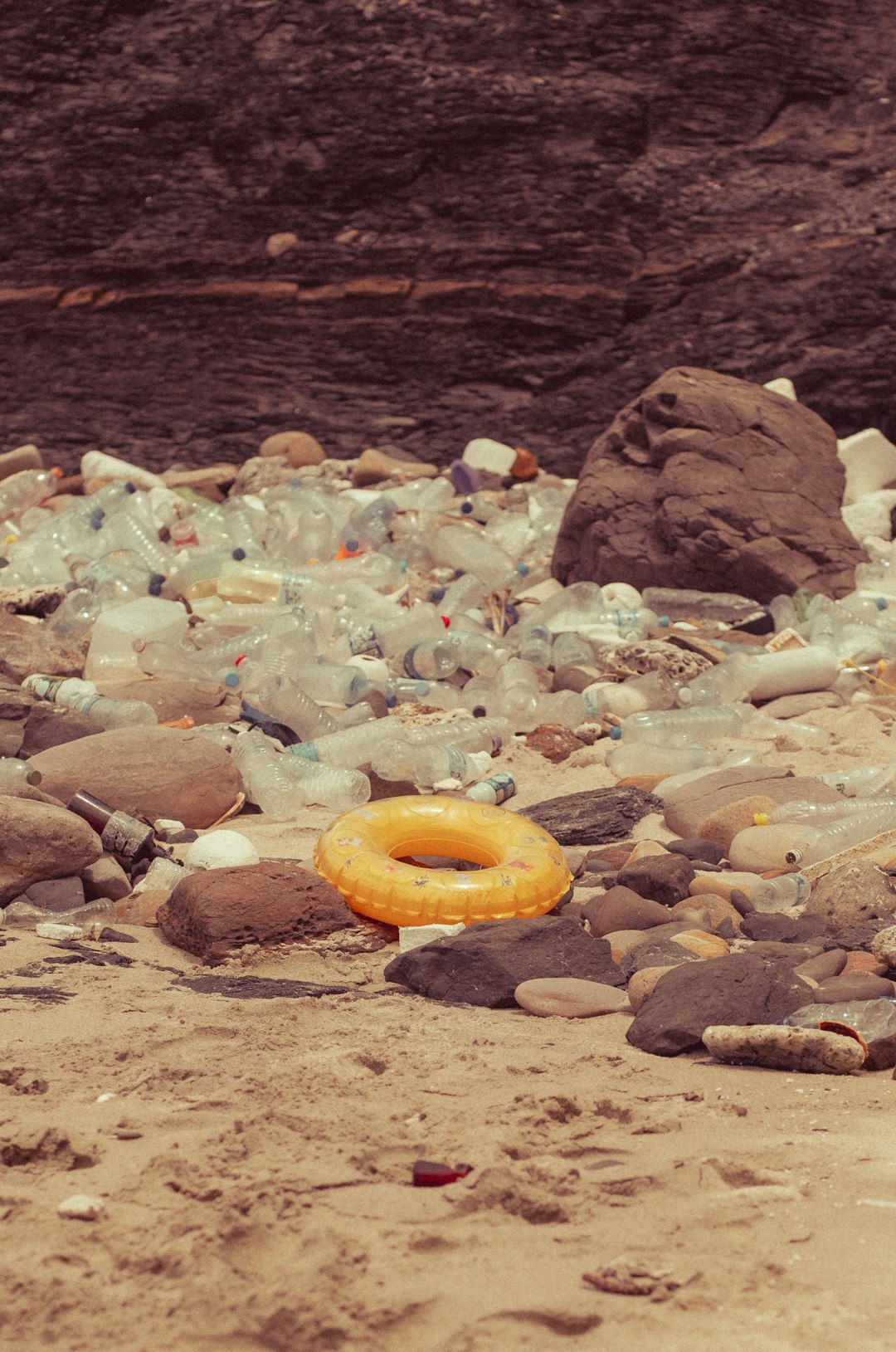
If you've ever cleaned out your fridge and found a whole bag of grocery plastic wrappers, you've seen the problem up close. Sustainable plastic solutions matter because plastic sticks around foreveron beaches, in landfills, and even in our water. We use it for everything: food, phones, clothes. But it's choking up the planet, harming wildlife, and even making its way back to us through food.
What Makes a Plastic 'Sustainable' Anyway?
Sustainable plastics are about using less, making smarter choices, and looking for materials that don't take centuries to break down. These can be made from plants, recycled bottles, or special blends designed to break down faster. Not all eco-friendly plastics are the same. Some are biodegradable plastics, others are called compostable plastics, and a few just use way less energy to produce or recycle.
- Biodegradable plastics: Designed to break down (but only if the settings are right).
- Compostable plastics: Break down into harmless stuff in a compost bin (not just a landfill).
- Recycled plastics: Old material gets a new life, so fewer raw materials are needed.
- Plant-based plastics: Come from corn, sugarcane, or other plantsnot oil.
How Do Biodegradable and Compostable Plastics Work?
It sounds simple: make plastic that disappears. But real life is messier. Biodegradable plastics need heat, microbes, and time (think compost pilesnot your backyard in winter). Compostable plastics go a step further. When tossed into the right composting setup, they turn into soil. But if you toss them with normal garbage, they usually just sit there like regular plastic.
- Pros: Less waste if handled right, good for food service, often lower carbon footprint.
- Cons: Needs proper composting, can be confusing to sort, not accepted everywhere.
Personal story: The first time I tried compostable bags, I threw them out thinking they'd magically vanish. Guess what? They didn't. Turns out, you need the right facility, and not all cities have one.
What About Plastic Recycling: Does It Really Help?
Recycling is great in theory. You clean and sort plastics with the hope they get a second life as a park bench or a sneaker. In reality, only some types can be recycledand a lot still ends up in the trash. The good news? More companies are using recycled material, and technology is getting better at sorting.
- Always check symbols: Only certain plastics are accepted in most curbside bins.
- Clean counts: Food or grease can ruin a whole batch.
- Ask your local center: Rules change by location.
Common mistakes people make:
- Throwing everything plastic into the recycling bin (gummy bears wrappers can't go, but water bottles can).
- Not cleaning out containersleftover peanut butter? Instant fail.
So, recycling helps, but it works best when we all pitch in correctly. It's not a perfect system, but it's improving.
What Are The Best Alternatives to Plastic Right Now?
Sometimes, the real answer is to skip plastic where you can. But life happens, and you need a straw or a takeout box. Luckily, alternatives to plastic exist:
- Paper and cardboard: Easy to recycle, break down fast. Downsides? Not water-resistant without coatings.
- Glass and metal: Strong, reusable, can be recycled endlessly. Just heavier (and can break).
- Reusable containers: Stash a set in your bag or car for coffee, snacks, or leftovers.
- Edible cutlery: Yep, you can eat itmade from rice, wheat, or corn.
The trick: Don't try to swap every plastic thing at once. Start small. Maybe a metal water bottle, then a set of wooden cutlery. It feels weird at first, but after a couple weeks, it becomes habit.
What Should You Watch Out For?
The plastic world is full of greenwashingstuff that sounds eco-friendly but isn't. Watch for big claims like '100% biodegradable' without details. Ask:
- Does it need a special composting facility?
- Is it made from plants or just mixed with a little corn?
- Did making it use more water, energy, or chemicals than it saved?
One easy check: If it costs three times as much and doesn't clearly say what happens after you throw it out, be suspicious. Read the fine print.
Simple Steps to Use Less Plastic Every Day
- Bring your own bags to shop (and leave a couple in your car or backpack).
- Skip the straw or choose a paper/metal one.
- Buy in bulk (less packaging per item).
- Pick real plates and utensils when possible (wash them, save the trash).
- Recycle rightcheck if items are accepted in your area.
- Try a compost bin for food waste and compostable plastics.
Don't beat yourself up if you mess up. It's about making better choices most of the time, not being perfect.
Do Sustainable Plastic Solutions Really Make a Difference?
They doif lots of us use them consistently. Fact is, one person alone can't solve the mess, but every bit helps. When more people pick smart products, stores and companies notice. They change what they sell and how they make things. Millions of small changes add up. You'll see less trash at parks, cleaner oceans later, and maybe even spark ideas for bigger fixes.
FAQs
- What are eco-friendly plastics?
Eco-friendly plastics are materials made to harm the environment less than regular plastic. They might break down faster, get made from plants, or use recycled stuff. They're better than old-school plastic, but they're not magic fixes. Read labels to see how and where to dispose of them. - Can I compost biodegradable or compostable plastics at home?
Usually not. Most compostable plastics need big industrial composters with heat and the right bacteria. A backyard compost pile doesn't get hot enough. Check local programs for what's accepted, or use them only when you know your city takes them. - Are recycled plastics as good as new ones?
In lots of cases, yes! Recycled plastics work great for things like bottles, containers, and even clothes. Sometimes they aren't as strong or clear as new plastic, but advances in tech are closing that gap fast. Every recycled plastic you use keeps waste out of dumps and oceans. - What's the best alternative to plastic for food storage?
Glass and stainless steel containers are solid optionsthey last forever if you don't drop them. For snacks, silicone bags or wax wraps work too. If you're looking for single-use, look for paper or cardboard that you can recycle or compost. - How do I know if a plastic is really sustainable?
Look for details, not buzzwords. Does the label say it's certified compostable (like by the BPI or similar)? Is it made from recycled content? If it needs a special facility, check if your area has one. Don't trust big green claims without proof. - Does using alternatives to plastic cost more?
Some eco-friendly plastics and reusable items cost a bit more upfront. But in many cases, you'll save money because you're reusing stuff instead of paying for disposables every time. Over time, the planet and your wallet both win a little.
Pick one new thing to try this weekswap a single-use item for a better choice. You don't need to go zero waste overnight. Every step counts.