Why Preventive Maintenance Isn't Just About Fixing Stuff
Ever had your car break down in the middle of nowhere? Not fun. Most of us dont think about taking care of things until they stop working. But with the right preventive maintenance checklist, you can avoid surprise breakdowns and save cash in the long run. This guide shows you how to build a plan that works for youno confusing jargon, just real steps and practical advice.
What Is a Preventive Maintenance Checklist?
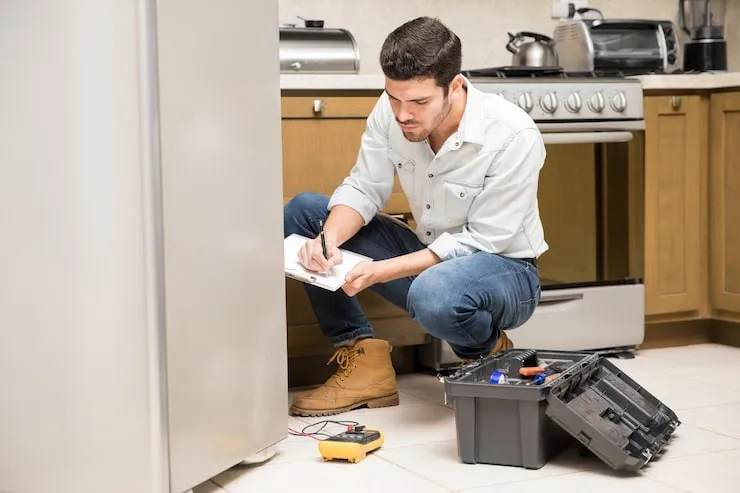
A preventive maintenance checklist is a list of tasks you do to keep things running smoothly. It covers when, what, and how to look after your equipment or systems. Whether its for your coffee machine or a big factory robot, a checklist makes sure nothing slips through the cracks.
- Lists regular tasks (like inspections and cleanings)
- Keeps you on a routine maintenance track
- Helps spot problems before they blow up
- Makes big projects less stressful
Without one, its easy to forget, delay, or skip things. Thats when problems happen.
Why Does Maintenance Planning Matter?
Think of it like brushing your teeth. You could skip a day, but keep pushing it off and youll regret it. Maintenance planning keeps your stuff in top shape:
- Prevents surprise breakdowns
- Keeps your wallet happy (repairs cost more than checkups)
- Lets you plan for downtime (nobody loves surprise interruptions)
- Makes inspections quicker
I learned this the hard way with my old lawn mower. No plan meant last-minute repairs, which always took longer and cost more than I expected.
Building a Maintenance Schedule That Youll Actually Use
So, where do you start? The secret is to make your maintenance schedule fit your real life, not some perfect world.
1. Make a List of Everything That Needs Care
- Big equipment (like your HVAC, vehicles, tools)
- Small stuff (fire alarms, emergency lights, coffee makersyes, really!)
- Check manuals or ask others what needs looking after
2. Set How Often Each Task Should Happen
- Check your owner's manual for manufacturer suggestions
- If not, go with your gutmonthly for big stuff, quarterly for minor checks
- Dont overdo itif you try to do everything weekly, youll give up fast
3. Assign Responsibility
- Whos in charge of each task? Yourself, a teammate, or a professional?
- If its a shared job, make it clearno one likes, 'I thought you were doing it!'
4. Track What Got Done, and When
- Simple is best: a notebook, a spreadsheet, or an app
- Write down the date and what happened ('Checked air filterlooks good')
- This makes future checks way faster
What Belongs on a Good Maintenance Checklist?
Your preventive maintenance checklist should be short but complete. Heres a real-world example for most equipment:
- Inspect for leaks or strange noises
- Clean surfaces and remove dust
- Check moving parts for wear
- Test safety systems or alarms
- Oil or grease as needed
- Replace worn-out or outdated parts
If youre unsure, check equipment manualsthey usually give a basic inspection list. Dont forget the odd stuff, like checking batteries in smoke detectors.
Common Mistakes That Make Maintenance Plans Fall Apart
- Trying to do it all at once (start small, or youll burn out)
- Skipping tasks when things get busy (schedule it, set reminders, make it routine)
- Ignoring small problems until they grow (that rattling fan wont fix itself)
- Not writing things down (memory isnt enoughtrack what you did)
It took me a long time to figure out that skipping just one oil change led to bigger headaches down the road.
How Maintenance Checklists Help Real People
- Busy parentsthey dont miss cleaning the dryer vent (fire risk!)
- Small business ownersfeel in control of equipment inspection without hiring more people
- Homeownerscatch things early, like water heater leaks or furnace issues
No one ever regrets making a checklist; most people regret ignoring one.
How to Make Preventive Maintenance Less Boring (and Actually Stick With It)
- Make tasks quickfive or ten minutes is better than nothing
- Set reminders (phone, calendar, sticky notes, whatever works)
- Keep the checklist somewhere visible
- Reward yourself for finishingcup of coffee, quick break, a wins a win
If you handle maintenance with easy steps and regular check-ins, it doesnt eat up all your time. It frees up space in your headand your calendar.
Quick Recap and Next Steps
A preventive maintenance checklist can save you time, money, and stress. Start by writing down what needs care, how often, and whos doing it. Track your progress (no memory required). Make tasks easy, so youll stick with it. Your stuff (and your peace of mind) will thank you.
- Pick one piece of equipmentset up a basic checklist for it right now
- Mark your calendar for the first checkup, and reward yourself after
- When youre comfortable, add more items. Youre building a habit, not finishing a race
FAQs
- What is the main goal of a preventive maintenance checklist?
The main goal is to avoid surprise breakdowns and keep equipment working longer. Doing regular checks and simple tasks means you catch tiny issues before they turn into big problems, so you spend less money and get fewer headaches. - How often should I update my maintenance schedule?
It depends on your equipment and how you use it. Some things need monthly attention, others just once or twice a year. Check manufacturers advice first. If you spot problems often, update your schedule to add more frequent checks. - Can I use a template for my preventive maintenance checklist?
Yes, starter templates make life easier. You can find one that matches your equipment type. But always tweak it so it fits your real needs. Generic checklists are a good base, but the best ones are personal to your stuff and your routine. - What are some examples of common maintenance tasks?
Examples include checking oil levels, inspecting wires for damage, cleaning filters, tightening bolts, and testing alarms. Even things like cleaning fans or replacing batteries count. Checklists help you remember the small stuff that adds up. - What if I miss a scheduled maintenance task?
Dont stress. Life happens. Just do it as soon as you can and note the new date. Skipping once isnt a big deal, but dont make a habit of it. The more consistent you are, the fewer problems youll run into. - How do you know if your maintenance plan is working?
If youre catching problems early, spending less on repairs, and your equipment isnt breaking down muchyour plan is working. If unexpected breakdowns still pop up, look at your checklist and see whats being missed or skipped.