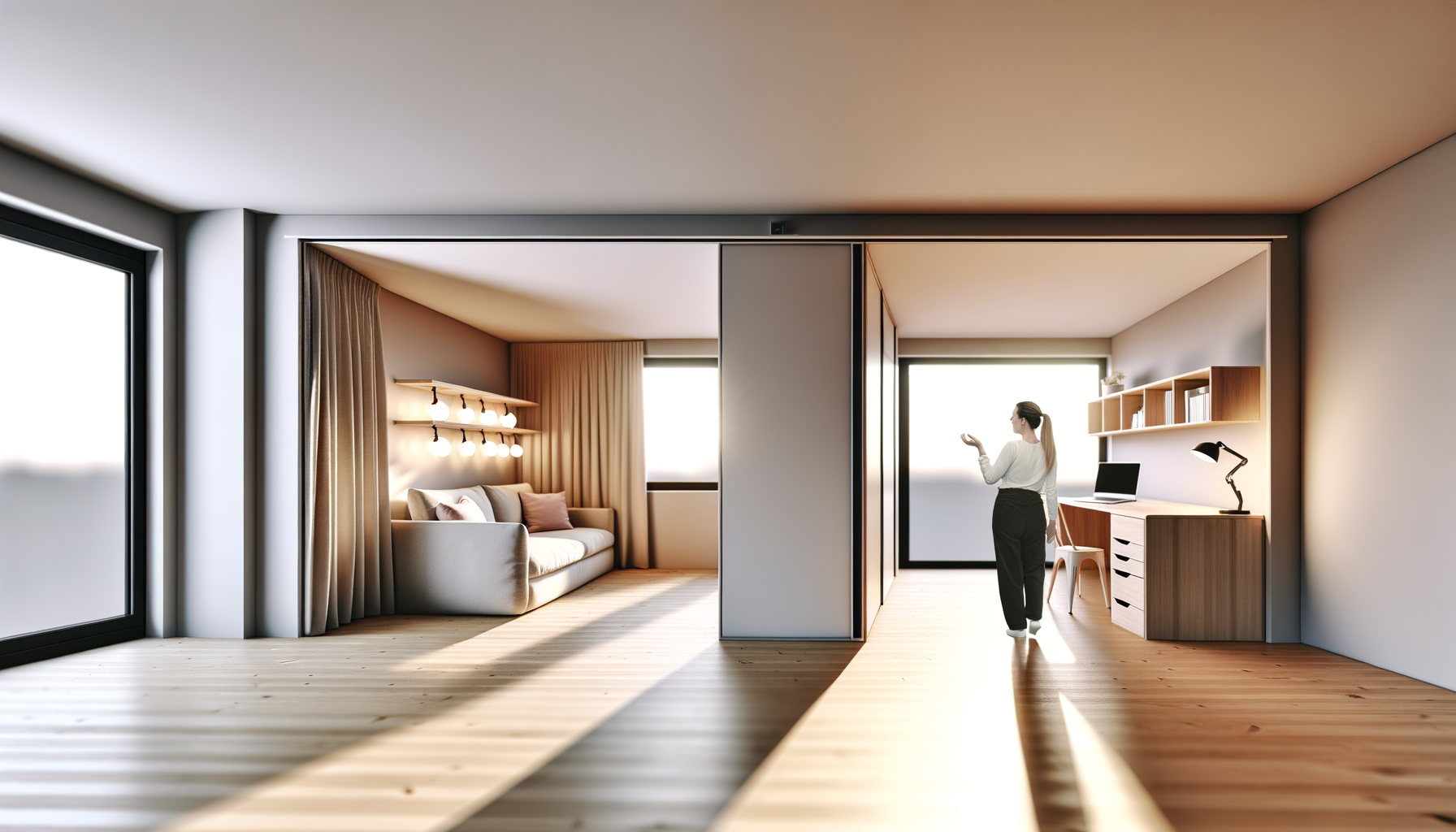
You know that feeling when you wish a room could be more than one thing? Maybe your guest bedroom is empty 350 days a year, or you're sick of tripping over workout gear in your dining area. You're not alone. Small space living, growing families, or WFH life make us rethink how we use every inch. The good news? You don't have to knock down walls or buy a bigger house. Dual purpose room ideas are about using what you've got, getting creative, and making your space truly yours. By the end of this, you'll have practical tips to start changing your space tonightwithout spending a fortune.
What's a Dual Purpose RoomAnd Why Bother?
Dive into almost any home and you'll find at least one space that pulls double duty. Maybe it's a living room slash office, or a bedroom that hides a home gym. It's all about multifunctional room designmaking spaces work harder for your actual life. Why care? Because nobody wants wasted square footage or clutter. When you combine living spaces right, daily life gets easier and your home feels twice as useful. It's not about making your place look like a catalog. It's about real solutions that make sense.
How Do You Actually Combine Spaces Without Chaos?
Here's where it gets real. Mashing two rooms together isn't always easy. The trick is smart planning, simple furniture swaps, and knowing your priorities. Most people run into problems like clashing styles or furniture that's too big for the job. Top tips for smooth room blending:
- Divide with purpose: Use rugs, bookshelves, or folding screens as gentle room dividers.
- Keep stuff mobile: Nesting tables, rolling carts, or folding chairs disappear when not needed.
- Set a clear focus: Every dual space needs an "anchor"like a bed for a guest room, or a big desk for a home office.
- Embrace storage: Ottomans, benches, and beds with drawers hold more than you think.
The first time I crammed a guest bed into my office, I didn't measure. Suddenly, my desk chair wouldn't pull out all the way. Quick fix? Swapped the bed for a sleeper sofa, and suddenly, the space worked.
Which Rooms Make the Best Combo?
Not every pairing works. Some are goldmines for space saving furniture and function, while others are just a headache. Here are low-hassle combos:
- Guest room + office: Murphy beds, daybeds, and wall desks are your best friends.
- Living room + playroom: Use baskets and hidden storage for toys; modular couches handle kid chaos.
- Dining room + workspace: Extension tables do dinner and laptop duty. Stow paperwork away fast.
- Home gym + bedroom: Fold-up benches or wall-mounted racks keep workout stuff out of the way.
What doesn't mix? Try to avoid bedrooms in the middle of open-plan spaces (hello, no privacy), or combining rooms that clash in noise and messlike a home theatre and a quiet office.
What's the Secret Sauce? Space Saving Furniture
If you want a dual purpose room to work, the right furniture makes a huge difference. Big, bulky stuff is a no-go in a small space. Look for:
- Murphy beds: Fold into the wall when not in use, making way for desks or gym equipment.
- Drop-leaf tables: Act small daily, but expand for dinner parties or big projects.
- Nesting tables: Stack and hide when you need extra floor space.
- Sleeper sofas: Sit by day, sleep by night. Done.
- Lift-top coffee tables: Hide remotes, blankets, or double as a desk.
When buying, measure twice. Seriously. That "clever" ottoman that's supposed to store everything? If it doesn't fit, it's just clutter. Another pro move: go vertical. Shelves over doors or tall cabinets make use of dead space.
How Do You Plan a Room Layout You Won't Hate?
Room layout tips are life savers. A smart layout keeps your rooms from feeling cramped or awkward. Heres a shortcut method:
- Start with a sketch: Use paper or an app. Lay out walls, windows, and doors.
- Identify zones: Decide which part does what. Even a couple feet makes a difference.
- Think traffic flow: Don't block walkways. You need at least 3 feet to move easily.
- Adjust as you try: You'll probably move stuff around twice. Or ten times. That's normal.
Case in point: I once put a home office chair so close to the couch, it blocked the front door. After one stubbed toe, I flipped the layout. Much better, and everyone's shins survived.
What Mistakes Ruin Dual Purpose Rooms?
Real talkthis isn't always easy. Here are classic mistakes, and how to dodge them:
- Overcrowding: Too much furniture is your enemy. Less is usually more.
- Ignoring storage: Every dual room needs spots to hide stuff fast. Otherwise, clutter wins.
- Forgetting lighting: Youll want task lighting for work, cozy lamps for relaxing. Don't rely on one dull overhead bulb.
- Mixing clashing styles: If it looks like two rooms fought and both lost, try a simple color palette to tie things together.
- Not setting boundaries: Make it obvious where one "zone" begins and ends, even if you fake it with a rug or plants.
Bottom linemess up? Don't sweat it. Rework until your space fits your life, not the other way around.
FAQs: Dual Purpose Room Ideas That Work in Real Life
- Q: What are the easiest dual purpose room ideas for apartments?
A: Go for combos like a living room with a desk area, or a bedroom with gym space. Use space saving furniture, like a sleeper sofa or fold-up desk. Small tweaks make a big difference without renovations. - Q: How do I keep my small space from feeling cluttered when combining rooms?
A: Use hidden storage (under-bed bins, ottomans with lids) and set clear zones with rugs or shelves. Clean up daily so stuff doesn't pile up. Multipurpose furniture helps a lot, too. - Q: What furniture works best for multifunctional room design?
A: Murphy beds, drop-leaf tables, nesting tables, sleeper sofas, and lift-top coffee tables all maximize space. Look for anything lightweight or that folds away easily when you don't need it. - Q: Can I turn a kid's playroom into a guest room?
A: Yes! Use a daybed or futon that doubles as guest sleeping. Store toys in baskets or closed cabinets to keep things tidy when guests arrive. Keep things flexible so it works for both uses. - Q: What if my rooms have totally different styles?
A: Choose a few shared colors or textures to pull everything together. You don't need matching setsjust some repeat colors or patterns in both "zones." Plants and neutral rugs help blend things, too. - Q: How do I set up a workspace in my living room without it looking messy?
A: Use a compact desk, rolling cart, or a console table behind the sofa. Hide cords with clips or runs along the wall. A closed bin for papers and supplies will keep mess at bay when you're off the clock.
If you want a smarter home without gutting your space, start small. Pick one room to do double duty and try swapping in a piece of multifunctional furniture. Soon you'll find your home isn't just biggerit actually works for you, every day.