Trying to finish college while working a job, raising kids, or just balancing life can get nuts fast. Distance learning universities exist for people exactly like youthose who can't drop everything but refuse to put their dreams on hold. Maybe you want out of your current job sooner. Maybe you're coming back after a break or want to learn at your own speed. Distance learning isn't a shortcut, but it's often a much smarter pathespecially when time matters.
What Are Distance Learning Universities?
Distance learning universities are colleges that let you take classes online instead of sitting in a classroom. They're built for students who want flexibility without lowering the quality of what they learn. Many offer full online degree programs, so you can graduate without ever setting foot on campus.
- Study from anywhere with an internet connection
- Use your own schedulework at 6am or midnight, if that works
- Pace yourself: go fast or slow down as needed
- Access course materials anytimenot just during "class time"
They're not easier than a regular college. The main pro? They fit around your life, instead of forcing your life to fit around school. That makes them ideal for working adults, parents, or anyone who just can't move across the country for a degree.
How Do Accelerated Online Universities Help You Graduate Faster?
Speed matters when you've got goals. Accelerated online universities design their classes in shorter termsthink 5-8 weeks instead of the standard 15. That means you can fit more classes into a year, or even double up on them. Some let you start whenever, so you're not stuck waiting three months for a new semester to begin.
- Finish classes quickerget credits faster
- Multiple start datesno waiting ages to enroll
- Study at your own speed, not the slowest in the room
- Many accept transfer credits or life experience
The catch? It's more intense. These programs pack a semester's worth of work into a much shorter time. But if you're ready to hustle, you can trim a four-year degree down by a year or more.
What Makes a Good Online Degree Program?
Not every online degree is worth your time or money. When comparing remote education schools, look for these:
- Accreditation (so employers respect your diploma)
- Clear structureknow what classes you need and when
- Good techeasy access to materials, strong support if you get stuck
- Flexible but organized, so you don't fall off track
- Active community (students, professors, tutorsall easy to reach)
If a website makes you hunt for answers or seems sketchy, trust your gut. Plenty of legit distance learning universities have helped students skip the guesswork and get straight into careers.
Real Talk: What Are the Struggles With Flexible Learning Colleges?
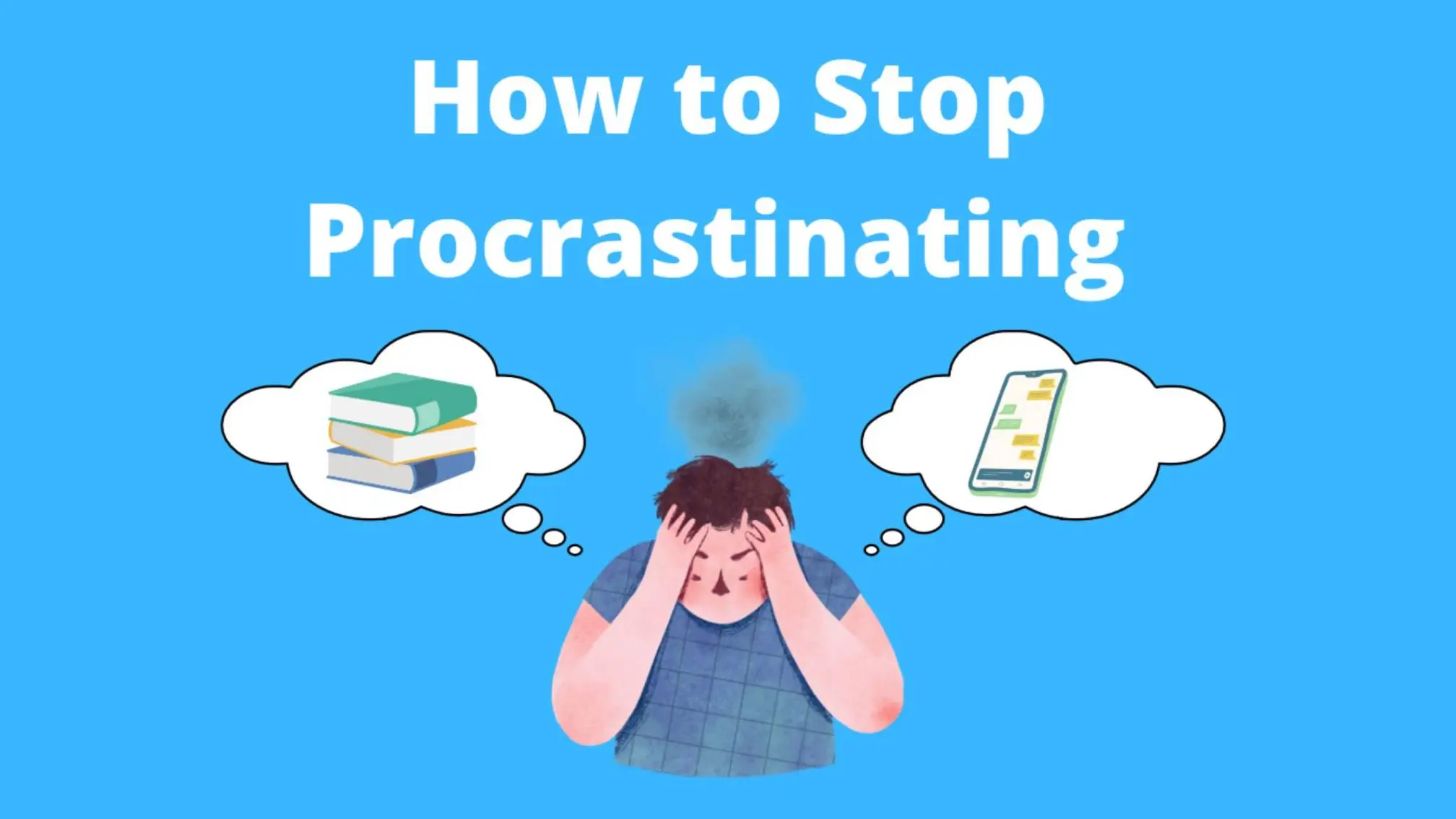
Distance learning isn't magic. There are strugglesand the main one is staying motivated. Without in-person reminders, deadlines can sneak up fast. Some students miss having classmates in person. Others get distracted at home (kids, chores, cat memes).
- Time management gets tested pretty hard
- Tech glitches are annoyinghave backups
- Motivation can drop, especially with tough classes
- Missing campus life (if that's your thing)
Here's what helps: Set a routine, tell family or roommates your "class times", and connect with classmates online. Even having a small support group can make a huge difference. Take breaks. And if you mess up a week, don't quitreset and keep going.
Who Should (and Shouldn't) Choose Remote Education Schools?
Remote education is perfect if you:
- Need to keep working while studying
- Have family or life commitments
- Live far from the school you want
- Like learning at your own pace
- Are self-motivated and can manage your own schedule
But it's not for everyone. If you know you need hands-on help, love in-person debates, or struggle to stay organized, traditional school might suit you better. Some fieldslike nursing or hands-on engineeringstill require time in person. But for business, IT, teaching, and dozens of other fields? Online works pretty well.
How to Pick the Right Distance Learning University
This isn't just about fancy websites. Here are steps to find the best fit:
- Make a list of what matters most (speed, cost, support, schedule)
- Check accreditation first (you want your degree to mean something)
- Compare tuition and feessometimes hidden costs pop up
- Read reviews from recent grads, not just old ones
- Ask for a sample class or syllabus
- Contact enrollment and ask a weird questionsee how they respond
Finding your match saves you tons of money and frustration down the line.
FAQs About Distance Learning Universities
- What are distance learning universities?
Distance learning universities are schools that let you earn a degree online. You do classes and homework over the internet instead of going to a campus. This way, you can fit school around your life and still get a real diploma. - How fast can I finish an online degree program?
It depends on the school and how many classes you can take at once. Some accelerated online universities let you finish a bachelor's in about two or three years if you go full speed and take breaks during summers and holidays. The key is finding the right program for your pace. - Are online degrees respected by employers?
Most employers care more about the school's reputation and if it's accredited, not whether you studied online. Many big name colleges now offer online programs. So as long as the school is legit, your diploma carries weight. - Can I get financial aid for flexible learning colleges?
Yes, many online programs offer the same financial aid as regular schoolsfederal loans, grants, and sometimes scholarships. You'll need to fill out the same paperwork (like FAFSA), so check the school's website or ask their financial aid office what you might qualify for. - Is remote education hard?
It can be. You'll need to take charge of your schedule, find the motivation to get work done, and ask for help if you need it. The work itself isn't tougher, but staying organized is key. Setting small goals and checking in with teachers or classmates helps a lot. - What tech do I need for online university?
You usually need a reliable computer, internet, and possibly a webcam. Some classes might use video calls or online tests. Always check the tech requirements before startingmost schools list exactly what you'll need.
If finishing your degree faster means more options for your life, now is a great time to look at distance learning universities. Pick what fits, stay on track, and you'll cross that finish line sooner than you think.