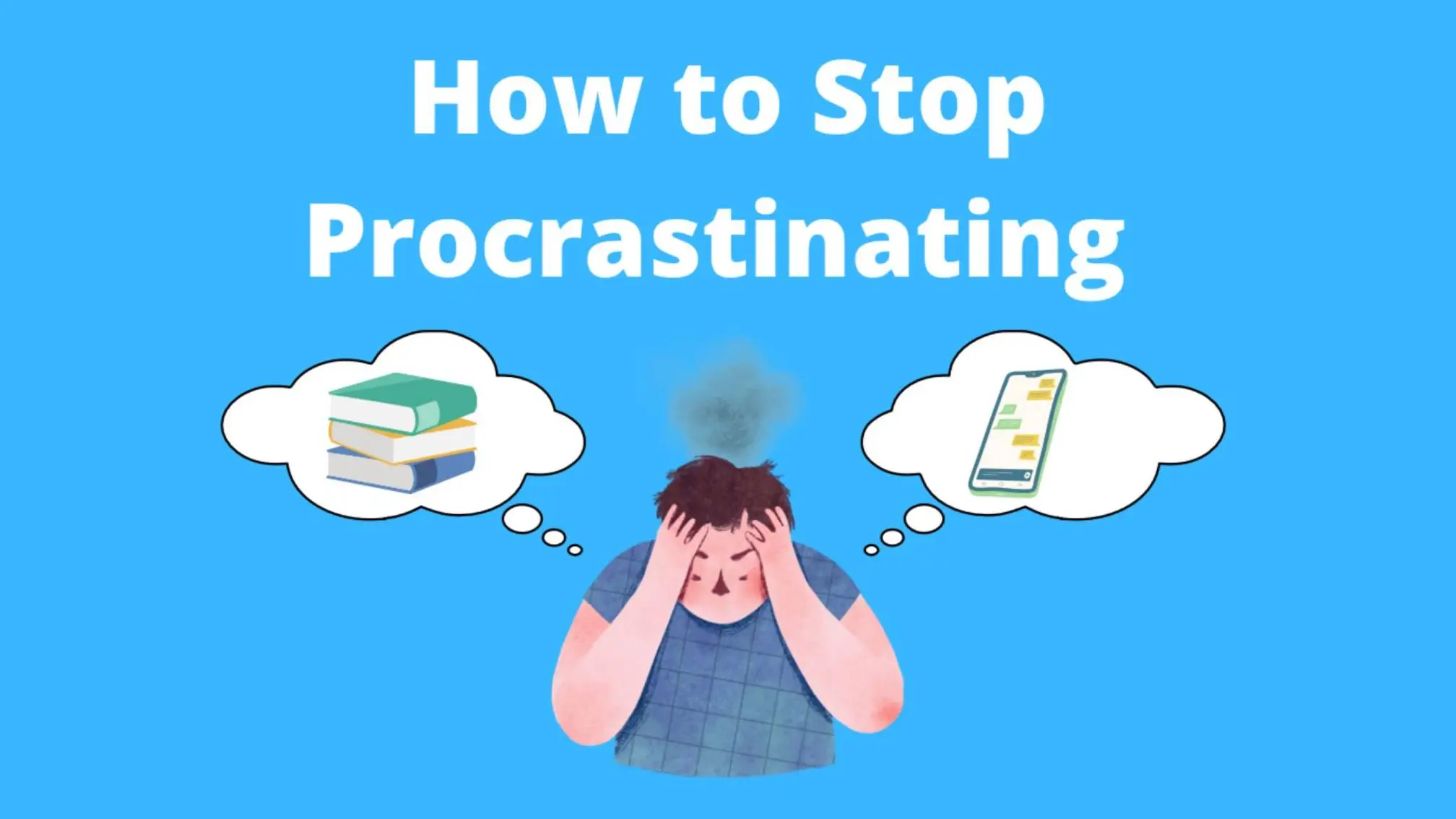
You wake up, check your phone, and before you know it, lunchtime hits, but your to-do list is untouched. Sound familiar? We've all lost track of time and felt overwhelmed by everything we need to get done. Good news: it doesn't have to be this way. With the right time management strategies, you can boost daily efficiency without pulling all-nighters or swearing off fun.
What's Time ManagementAnd Why Bother?
Time management means deciding how you'll spend your hours so you get the most out of your day. It's not about cramming more things in. It's about using your energy where it matters. When you nail it, work feels lighter, and you get more space for stuff you actually enjoy.
- More done in less time
- Way less stress
- No more last-minute panics
For example, instead of juggling homework, chores, and messages at the same time, you can focus on one thing, finish it fast, then move to the next.
Which Time Management Strategies Actually Work?
Can To-Do Lists Save Your Day?
Done right, yes. A list helps you track what matters. The trick? Don't overload it. Each morning, note your three biggest priorities. Any extras are a bonus.
- Rank tasks by importance
- Check off as you go
- Forgive yourself if you don't finishjust swap to tomorrow
Starting this week, write out your top tasks before you grab your coffee. You'll feel less scrambledtrust me.
How Does Time Blocking Help You Focus?
Time blocking is when you set aside specific parts of your day for certain work. For example, reserve 30 minutes for emails, then switch to project work. No distractions. Your brain stops jumping around, and you get more done in less time.
- Pick time slots for main tasks
- Put breaks on the calendar
- Mute notifications during a block
You'll mess up your schedule at first. That's fine. Adjust as you learn how long things take. The main win is fewer interruptions and more focus.
How Can Routine Help With Daily Productivity?
Routines take away the guesswork. You know what comes next, so you waste zero energy making decisions for every little thing. Mornings are a prime exampleif you prep your bag and set out clothes the night before, leaving on time is easier.
- Start small: add one new habit at a time
- Stack new habits on things you already do
- Ignore perfectionmissing a day isn't the end
After a few weeks, things like checking emails at set times or planning tomorrow's schedule will feel automatic.
Is Multitasking a Myth?
Pretty much. Trying to do two things at once makes both slower and sloppier. Focus on one task, get it done, then move along. If you catch yourself drifting, pause and bring your attention back.
- Work in short bursts (25-50 minutes)
- Take quick breaks (stretch, grab water)
- Switch gears intentionallydon't just let yourself get distracted
You'll be surprised how much faster you finish chores or work when you give them your full attention.
What Are the Common Roadblocks?
Do You Procrastinate Without Knowing?
Everyone does. We put off hard or boring tasks by scrolling or busying ourselves with easy things. The fix: start with the task you hate most. Even five minutes moves you forward. Often, once you begin, it gets easier.
- Break huge projects into tiny steps
- Promise yourself a reward for getting started
Finding momentum is key. One small win leads to another.
Are You Overcommitting?
If your calendar turns into a game of Tetris, you probably say yes too often. It's okay to set boundaries. Decline requests that don't fit your priorities. You won't let people down as much as you think. People respect honesty.
- Guard your downtime
- Check before saying yes to new work
Your time is limitedprotect it like you would your best shoes.
How Can You Boost Efficiency Everyday?
Are There Quick Wins for Daily Productivity?
Absolutely. Here are a few daily productivity tips you can try without flipping your world upside down:
- Set alarms for start and end times on tasks
- Batch similar jobs back-to-back
- Review your day for 5 minutes before bedplan tweaks for tomorrow
- Keep your workspace tidya mess slows your brain
Every small step adds up. What works for one person might not work for youexperiment, see what sticks, and toss the rest.
Can You Plan for Surprises?
No day ever goes exactly as planned, so schedule buffer time. When your meeting runs over or unexpected errands pop up, this cushion keeps you on track. No more frantic shuffling when things go sideways.
- Book 15-minute breaks between meetings or errands
- Let your to-do list breathe by leaving space for changes
Life's messier than any planner, but you can still stay ahead with a little wiggle room.
How to Stick With Your Plan (Even When You Want to Quit)
Most people fall off their time management plan because it feels rigid. If yours isn't working, switch it up. Simplify. Try a different method. The goal is progress, not perfection. You don't need to master every strategyfind two or three that make life easier, then use them daily.
- Review what's working every Sunday night
- Celebrate when you hit big milestones
- Forgive yourself when you mess up and restart
You won't get it right every day, but every day is a chance to get a little better.
FAQs About Time Management Strategies and Productivity
- What are some easy ways to improve time management?
Start by making a short list of top-priority tasks and focus on finishing those first. Block time for each job and take real breaks. You don't need fancy systemssimple steps work best. - How can I manage my time better as a student?
Use a planner or an app to schedule homework and studies. Break assignments into smaller tasks. Set reminders and stick to regular study slots. It helps lower stress and keeps you on track. - What's the best way to make a daily productivity plan?
Write down three main things you want to finish each day. Put them in order of importance. Leave room for breaks and last-minute stuff. Review your list at night to see how you did. - Why do I always feel like I have no time, even when I'm busy?
Being busy doesn't mean you're using time well. Try tracking what you do for a few days. You'll spot where time gets wasted and can fix it with simple changes, like fewer multitasking or shorter meetings. - How long does it take to build better time management habits?
It usually takes a few weeks to turn new steps into habits. Start small, stick with it, and adjust when things don't fit. Over time, routines get easier, and you'll feel more in control. - What should I do if I mess up my plan for the day?
Don't stress. Reset and pick up where you left off. Plans are there to guide you, not boss you around. Each day is a fresh shot to try again.
Building better time management strategies isn't about being perfect or busy every second. It's about working smarter, enjoying downtime, and getting more out of every day. Pick one tip to try tomorrowyour future self will notice the difference.